
UEFN Roadmap Describes Asset-Level Memory Snapshots and Spatial Analysis
Epic has outlined planned updates to memory reporting in UEFN, including engine memory, asset links and spatial calculations. The October 30 entry has no stated availability date and should be treated as roadmap information.
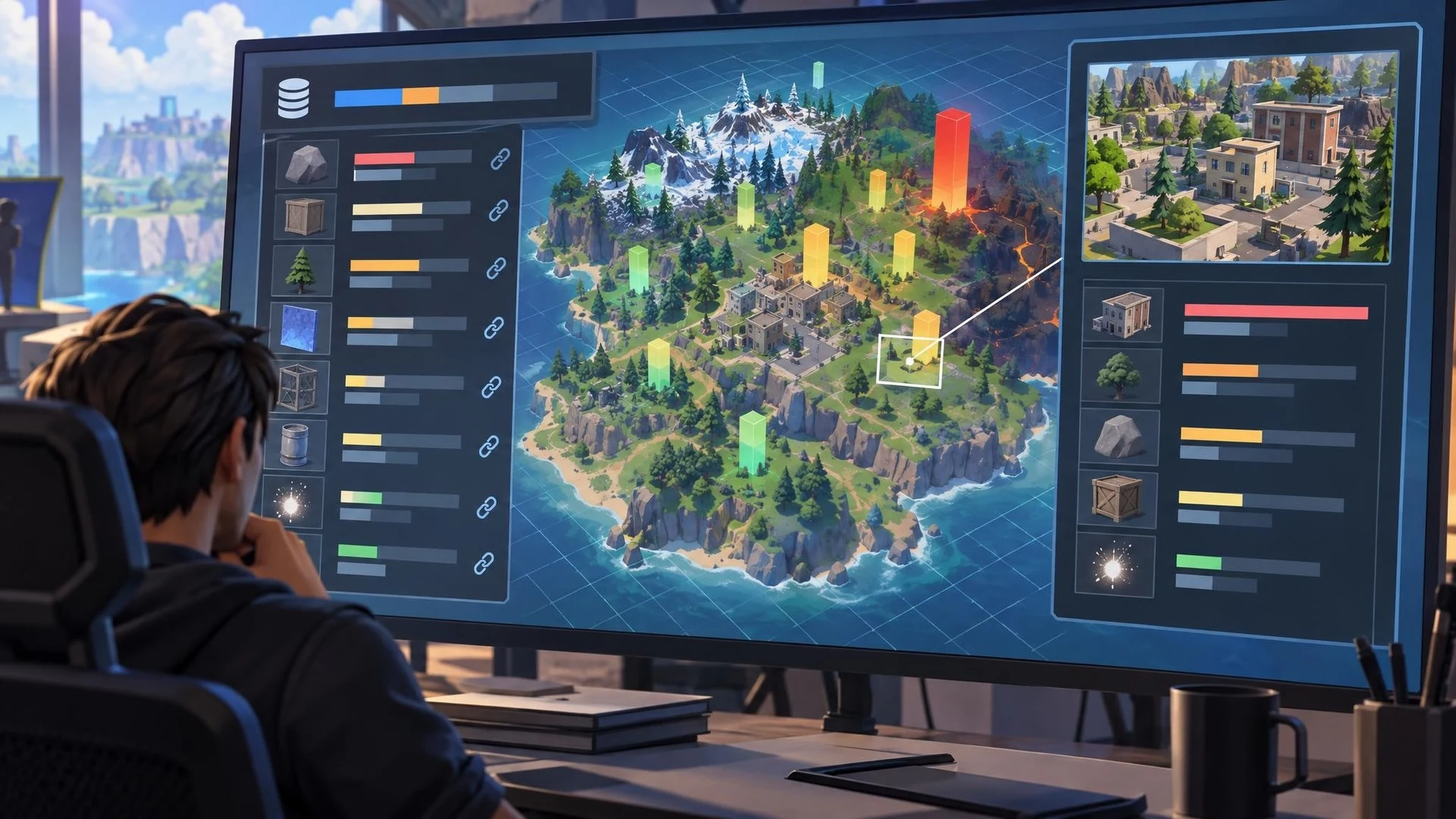
Memory budgets can be difficult to understand when an editor reports a total without showing precisely what contributes to it. A large environment may contain textures, meshes, effects, and many repeated objects. On October 30, 2026, Epic Games posted a UEFN roadmap item describing improvements to Memory Snapshot and Memory Calculation tools.
The roadmap says Memory Snapshot will include engine memory in its reports and connect individual entries to the underlying assets. Memory Calculation is described as working from the editor without requiring a live session. Epic also outlines a spatial view in which sample points are displayed across a map and selecting a point filters the corresponding table.
These features address different parts of the same workflow. A more complete total makes it easier to understand the scale of a memory problem. An asset link reduces the time between identifying a large entry and finding its source. A spatial view can indicate whether expensive content is concentrated in a particular part of a level.
The entry is posted in the Fortnite and Unreal Editor for Fortnite roadmap area, and its status is shown as None. It does not establish a shipping date or say that these exact controls are available across ordinary Unreal Engine projects. A roadmap description is not a release note, so creators should avoid planning production deadlines around an unconfirmed deployment.
A practical evaluation can begin before the new tools arrive. In an existing UEFN island, identify three locations with clearly different asset density. Document major meshes, textures, effects, and repeated instances in each. Use presently available memory checks to record a baseline and avoid editing the island while measurements are taken.
When an updated snapshot workflow becomes available, repeat the measurements and examine whether the additional data leads to different decisions. The objective is not merely to produce a more detailed report. It is to identify changes that lower memory use without damaging scene readability or gameplay.
For developers building large interactive worlds, better diagnostics can be as valuable as new rendering techniques. Epic's October 30 roadmap entry points toward more actionable memory analysis in UEFN. The benefits, however, depend on the final implementation and on how well creators can connect reported costs to real optimizations.
Rate this story
What did you think of this article?
Log in to rate this story, comment and like replies.
Log inNo comments yet. Be the first to share your thoughts.
More stories
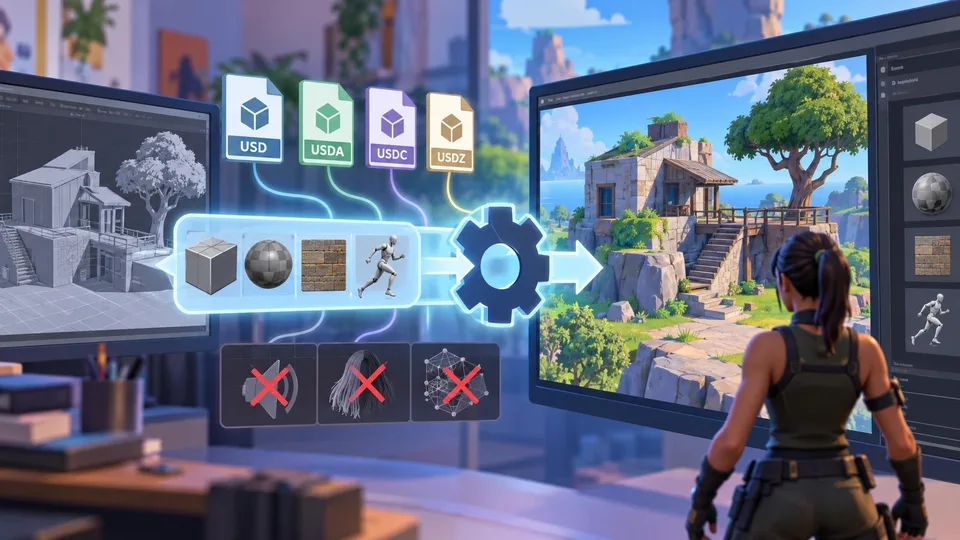
Epic Outlines USD Scene Import for Unreal Editor for Fortnite
A new Epic roadmap entry describes a USD import workflow for UEFN using the Interchange pipeline. It names several supported USD formats and asset types, while explicitly excluding USD export and some scene data.

Rivian Shows How Unreal Engine 5 Powers an Embedded Halloween Experience
Epic has detailed Rivian’s Ghostbusters-themed Halloween Mode, which uses Unreal Engine 5 for real-time visuals in a vehicle interface. The automotive case study illustrates an embedded 3D workflow rather than a new game-engine feature.
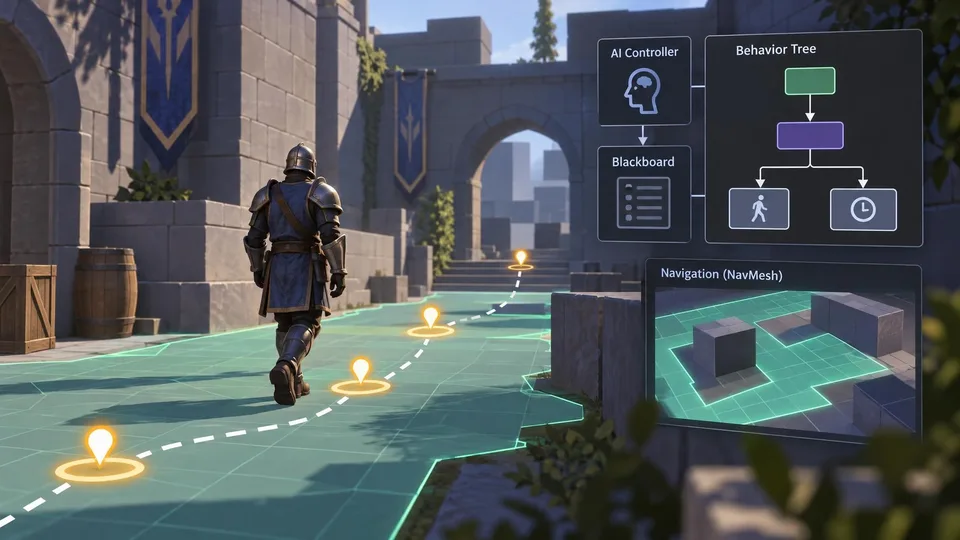
A New Unreal Engine 5.7 Blueprint Tutorial Builds a Patrolling NPC
A community tutorial published October 30 walks through a basic patrolling character in Unreal Engine 5.7 using AI Controller, Blackboard, Behavior Tree and navigation. It is educational material, not a new engine capability.
Comments