
OZeroSecurity 1.2.3 Updates Native Anti-Cheat Scanning for Unity
The developer of OZeroSecurity reports a November 11 update to its third-party Unity anti-cheat package, including changes to native scanning and matching library versions. These are vendor-described protections, not independent evidence of comprehensive cheat resistance.
OZeroSecurity's developer published details of version 1.2.3 on November 11 in a Unity Discussions product thread. The original thread dates back to October, so the relevant news is the new version rather than the first appearance of the product. OZeroSecurity is a third-party anti-cheat and anti-tamper package that uses native C++ components alongside a Unity integration.
The developer says the update changes native scanning intended to detect certain suspicious injected-code patterns, including loader-less cases. It also rebuilds native libraries to match the package's current interface and emphasizes that managed and native components should use compatible versions. These are concrete update claims from the vendor; they do not independently establish a specific detection rate, false-positive rate or protection against all forms of manipulation.
Anti-cheat tools are tempting because they appear to promise an extra defensive layer without requiring a game to solve every attack pattern. In practice, client-side protections have limits. A determined attacker may modify the local environment, and anti-tamper monitoring can conflict with accessibility software, overlays or legitimate debugging tools. Multiplayer titles still need sound server-side validation of game-critical actions. Security mechanisms should be assessed as parts of a larger design rather than a substitute for it.
The product thread identifies a Windows-focused native component and recommends checking compatibility with the project's Unity runtime configuration. Developers should consult the active vendor documentation for specific supported editor versions and build targets. Any statements about discounts in an older launch announcement also need to be treated as historical unless the current listing confirms them. No price or guaranteed detection result follows from the November 11 changelog alone.
A responsible test begins with a disposable build on a machine that is not holding valuable production data. Verify that the updated libraries match, launch the game without modifications and test legitimate graphics overlays and controller software. Review logs for unexpected detections and measure any startup or frame-time impact. Only then should a separate authorized security-testing process examine simulated tampering. This is a narrow release about an anti-cheat component, not a new Unity security guarantee.
Rate this story
What did you think of this article?
Log in to rate this story, comment and like replies.
Log inNo comments yet. Be the first to share your thoughts.
More stories
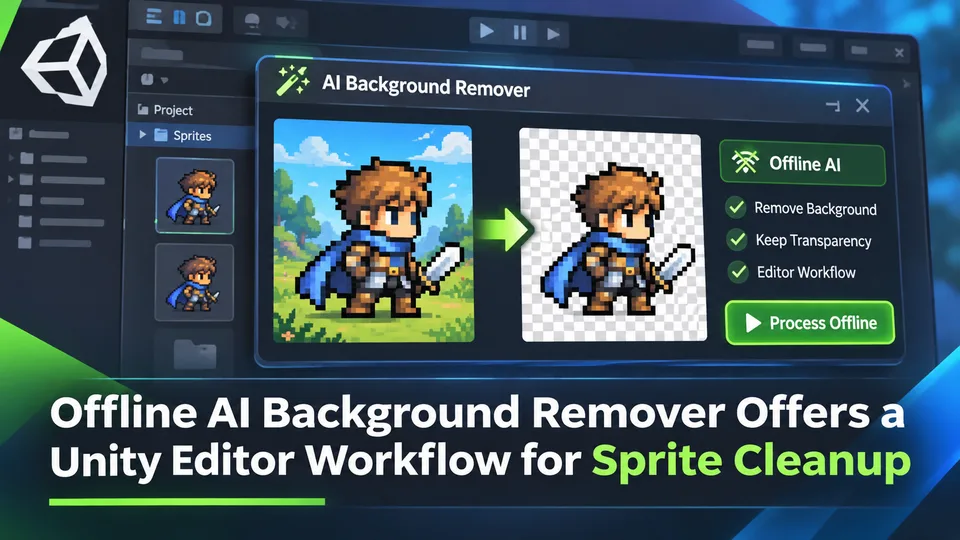
Offline AI Background Remover Offers a Unity Editor Workflow for Sprite Cleanup
A third-party Unity developer introduced an offline AI background remover for preparing transparent sprite images in the editor. It is a local content-authoring tool, not a runtime background-removal feature built into Unity.
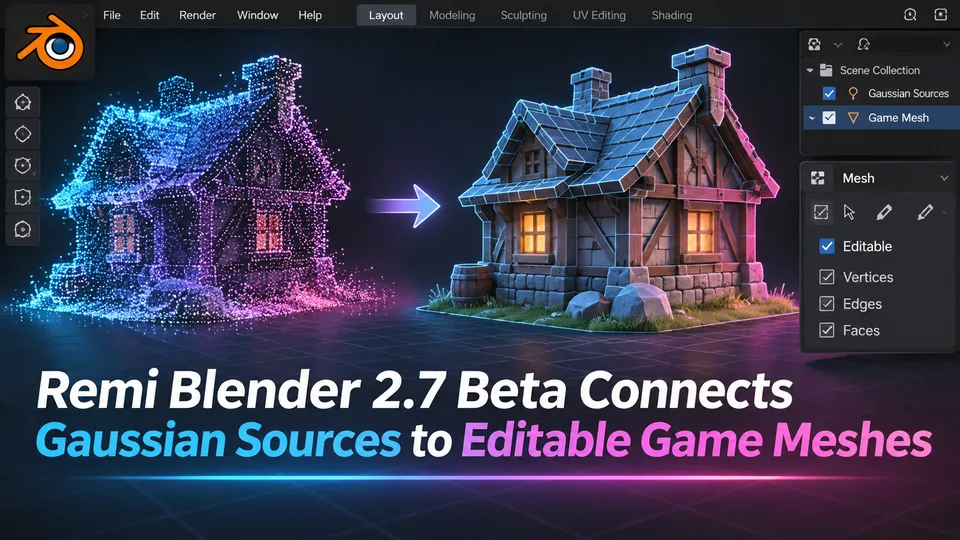
Remi Blender 2.7 Beta Connects Gaussian Sources to Editable Game Meshes
Remi Blender 2.7.0-beta.7 adds an Asset Board for image, Gaussian and mesh workflows, including texture transfer and native Blender editing. The prerelease has strict Windows and Blender requirements and relies on external AI components.

Blender 5.3 Adds Native Gaussian Splat Editing for AI and Photogrammetry Pipelines
Blender 5.3 was released on November 10 with native 3D Gaussian Splat importing, editing and rendering. The technology expands scene-capture workflows, but a splat is not automatically a game-ready polygon mesh.
Comments