
New Unity Guide Helps Developers Define a Game’s Core Loop
Unity has released a new beginner guide explaining how to identify a game’s repeatable core action cycle. It encourages creators to start with a player verb and connect challenge, action, and reward before expanding a prototype.
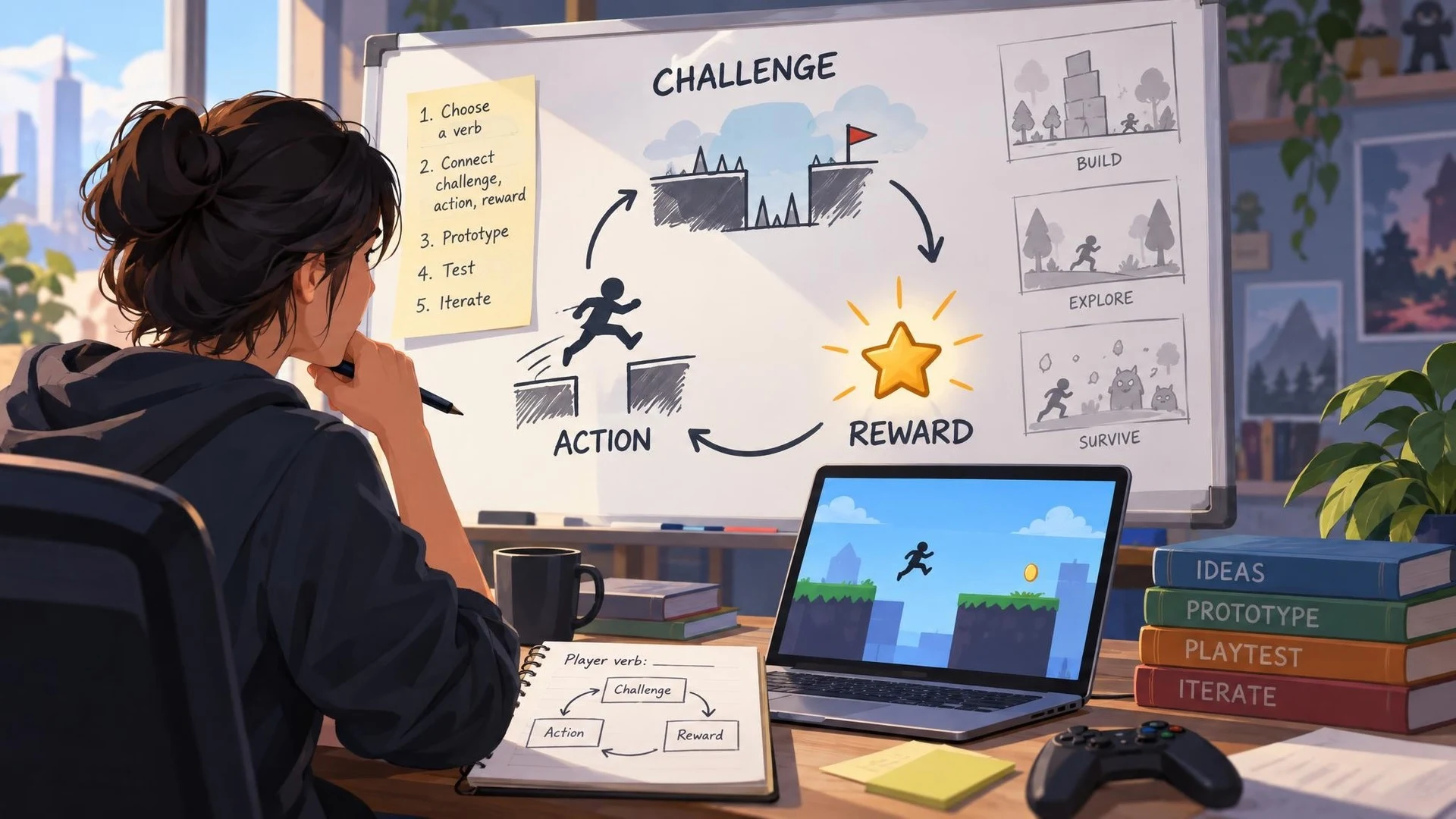
Developers often begin projects with a striking setting, an ambitious story, or a list of advanced engine features. Those choices can inspire a game, but they do not necessarily explain what a player will enjoy doing repeatedly. Unity's October 27, 2026 educational article brings attention back to that central design question: the core gameplay loop.
A core loop describes a short sequence of actions that a player repeats throughout an experience. The guide organizes the idea around challenge, action, and reward. In a platform game, for example, the player encounters a gap, attempts a jump, and reaches the next safe position. The reward prepares another challenge and the cycle continues.
Unity suggests beginning with a clear verb rather than a broad genre label. Jump, match, build, and explore are among the examples it examines. Each leads to different design questions. A jumping game needs responsive movement and understandable hazards, while a building game needs meaningful resources, decisions, and outcomes for completed constructions.
This is not a newly released Unity Editor tool or a change to the engine's API. It is a game-design tutorial intended to help creators make better decisions before they commit substantial development time. Its relevance is particularly strong for small teams that can spend weeks implementing supporting systems before confirming that their central interaction is enjoyable.
The guide also distinguishes between short loops and longer progression cycles. A player may repeat a basic action every few seconds while pursuing a larger goal over minutes or hours. If the shortest loop is unrewarding, additional unlocks, story events, or visual effects may struggle to make the experience satisfying for long.
A useful practical exercise is to write one sentence describing what the player does and why they want to do it again. Then build a prototype that contains only the essential interaction, its feedback, and one modest form of progression. Avoid investing in a large map or detailed art until the repeated action has been tested with people who did not design it.
For a tower-defense game, that might mean choosing a defensive placement, surviving one wave, collecting a reward, and placing a better defense. For an exploration game, it could mean discovering a landmark, overcoming a small obstacle, and gaining access to a new route. These are examples for applying the guide, not features supplied automatically by Unity.
The most useful result is not a polished prototype but a decision. If players understand and enjoy the loop, the team has a foundation for expansion. If they become confused or bored, changing the core interaction early is usually less expensive than reworking a nearly finished game.
Rate this story
What did you think of this article?
Log in to rate this story, comment and like replies.
Log inNo comments yet. Be the first to share your thoughts.
More stories

Unity CLI Beta 15 Adds Project Audits and Long-Running MCP Jobs
Unity CLI 1.0.0-beta.15 introduces project auditing, offline documentation access and MCP job controls aimed at automated workflows. The October 29 release also changes command output and removes some earlier commands, requiring script updates.
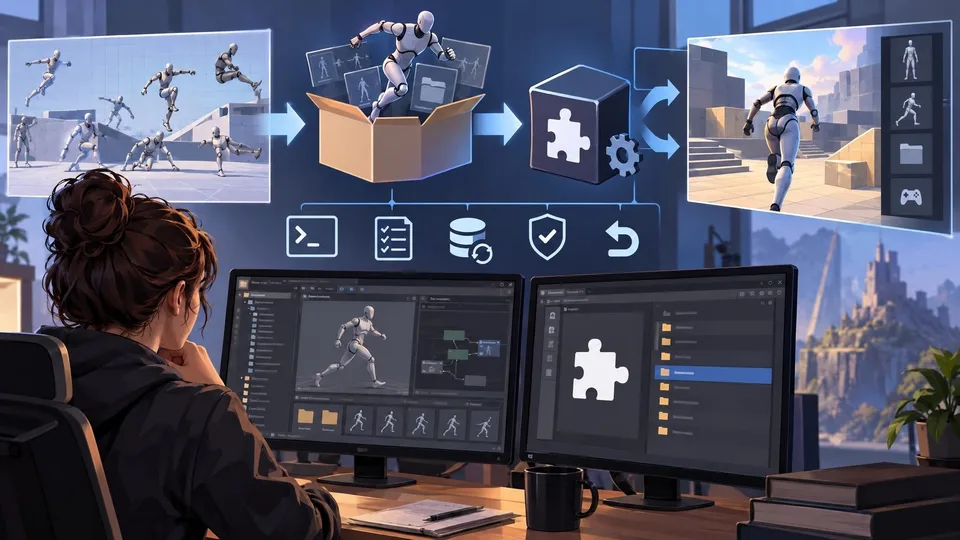
New Community Toolkit Packages Epic’s Game Animation Sample as a Reusable Plugin
A tutorial published October 29 presents a community-built process for converting the Game Animation Sample into an updateable Unreal Engine 5.8 plugin, with configuration safeguards and backup steps designed for existing projects.

XREAL AURA Launch Highlights Seven Unity-Built XR Experiences
Unity has showcased seven titles associated with the launch of XREAL AURA, the wired Android XR glasses. The October 28 announcement includes practical engine and OpenXR recommendations and lessons from studios porting existing experiences.
Comments