
XREAL AURA Launch Highlights Seven Unity-Built XR Experiences
Unity has showcased seven titles associated with the launch of XREAL AURA, the wired Android XR glasses. The October 28 announcement includes practical engine and OpenXR recommendations and lessons from studios porting existing experiences.
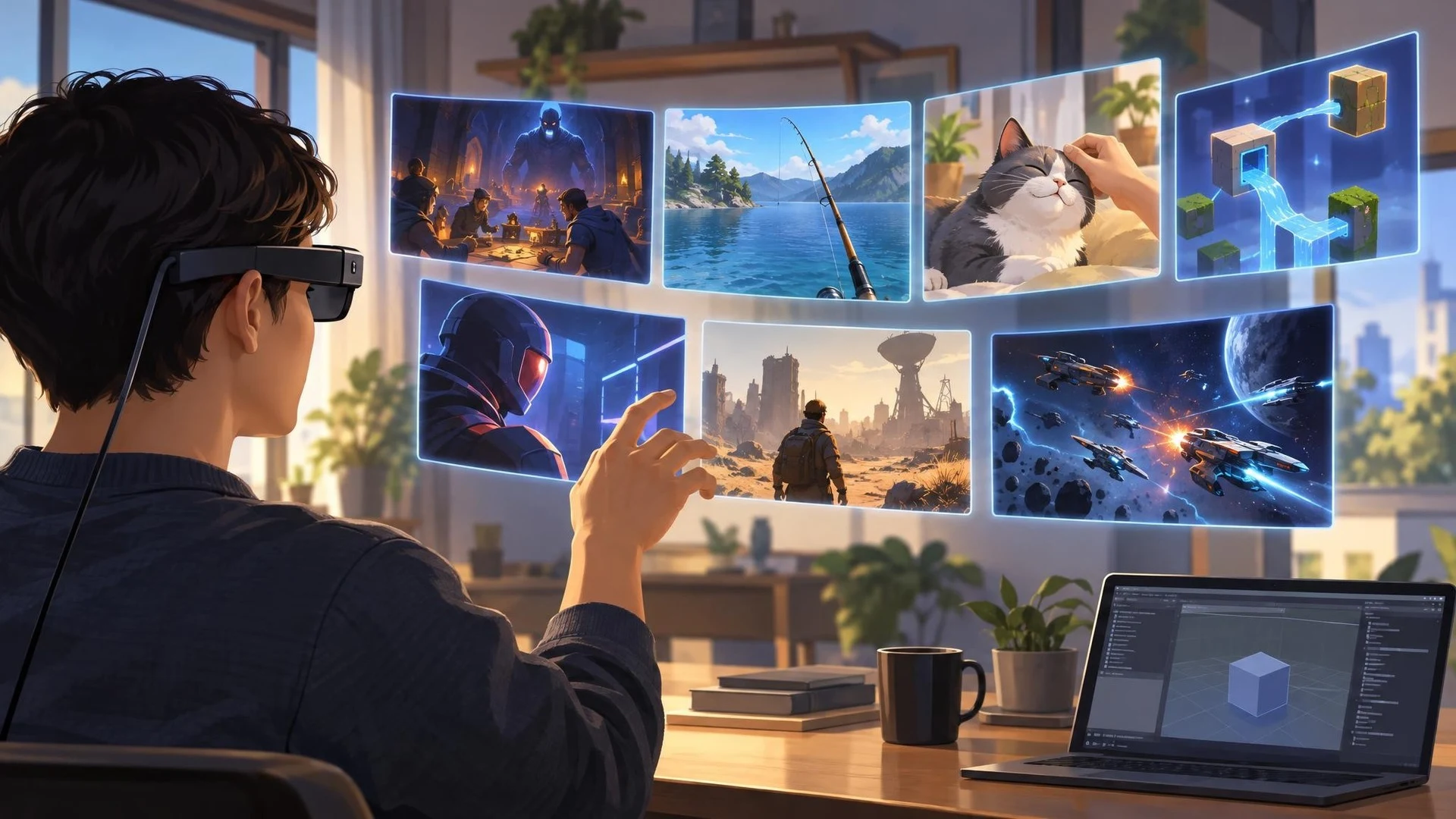
The arrival of new XR hardware is most meaningful to developers when it comes with real examples of games running on the device. Unity's October 28, 2026 announcement about XREAL AURA combines both: the launch of wired glasses powered by Android XR and a showcase of seven experiences built with Unity.
The lineup spans different types of interaction. Unity highlights Hyper Visor, Demeo, Real VR Fishing, Forever Pets: Zen Cats, and Enigmo among the titles available around the launch. The article also discusses upcoming experiences including Fallout: Factions and SwarmFleet. These are examples of games and interactive projects, not seven new Unity engine features.
The hardware and software combination demonstrates why cross-platform XR architecture matters. In its developer guidance, Unity recommends beginning with Unity 6.6, using the dedicated Android XR build profile, and working with the relevant Android XR OpenXR integration. Additional components include XR Interaction Toolkit, XR Hands, AR Foundation, and the general OpenXR plugin, with minimum versions documented in Unity's announcement.
Stories from the participating studios offer a more specific picture than a general compatibility statement. Some teams describe reusing existing gameplay and XR systems when adapting titles to XREAL AURA, while others emphasize hand interaction, render-pipeline choices, or prefab-based iteration. These statements are experiences reported by the studios through Unity's promotional article, not independent benchmark results.
A device-specific build still requires careful design. Hand tracking, controller assumptions, visual readability, and the relationship between a physical room and rendered objects can make a mixed-reality experience very different from a conventional PCVR game. The fact that an engine supports OpenXR does not guarantee that every input feature or presentation technique transfers unchanged.
For a developer considering Android XR, a small interaction test is more useful than starting with a complex scene. Create one grabbable object, one readable interface element, and a simple target interaction. Confirm that the build profile works and test the experience on representative hardware, paying attention to hand comfort, text size, and stability.
The launch also suggests a practical migration strategy for existing Unity XR projects: first separate input and platform-specific assumptions from reusable gameplay systems, then adapt the smallest complete interaction. Unity's list of supported package versions should be checked against the project's actual configuration before any migration.
XREAL AURA does not establish a universal path from Unity to every XR headset, nor is it a substitute for real-device testing. It is, however, a current example of Unity projects moving across hardware categories using a shared XR toolchain.
Rate this story
What did you think of this article?
Log in to rate this story, comment and like replies.
Log inNo comments yet. Be the first to share your thoughts.
More stories
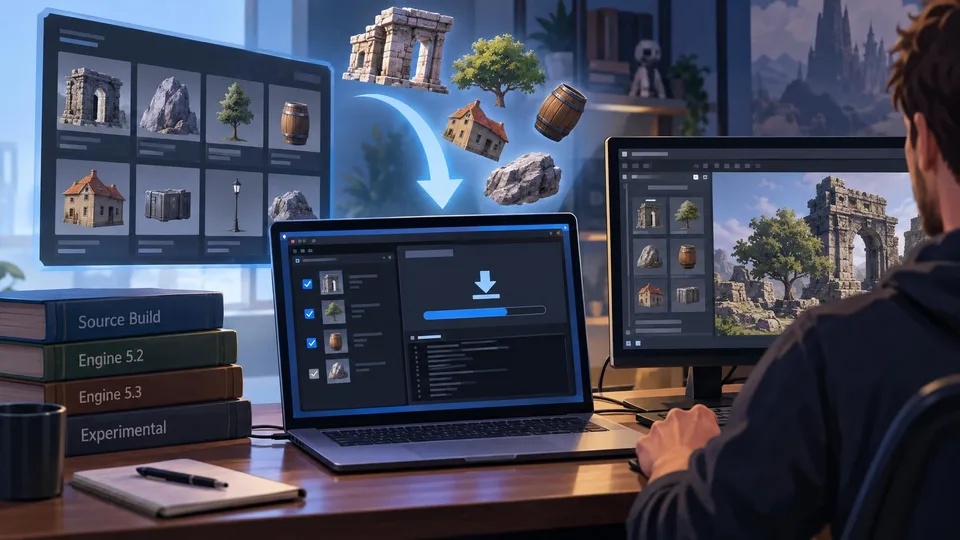
An Open-Source Fab Downloader Targets Custom Unreal Engine Workflows
A new community-built Fab Downloader offers another way to retrieve marketplace assets already owned by a developer. Its Windows and Linux tools avoid requiring an installed Launcher-managed Unreal Engine build, but rely on unofficial endpoints.
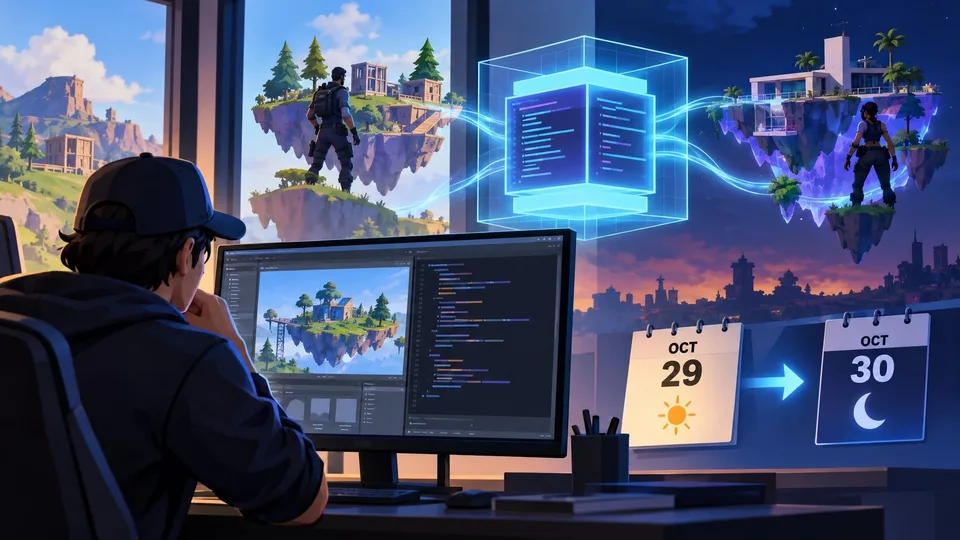
Epic Extends a Live Verse Virtual Machine Test for UEFN Islands
Epic started a temporary Verse virtual-machine test on October 29 across public and private UEFN sessions and later extended the window into October 30. The test is limited to Fortnite creation tools, not regular Unreal Engine projects.
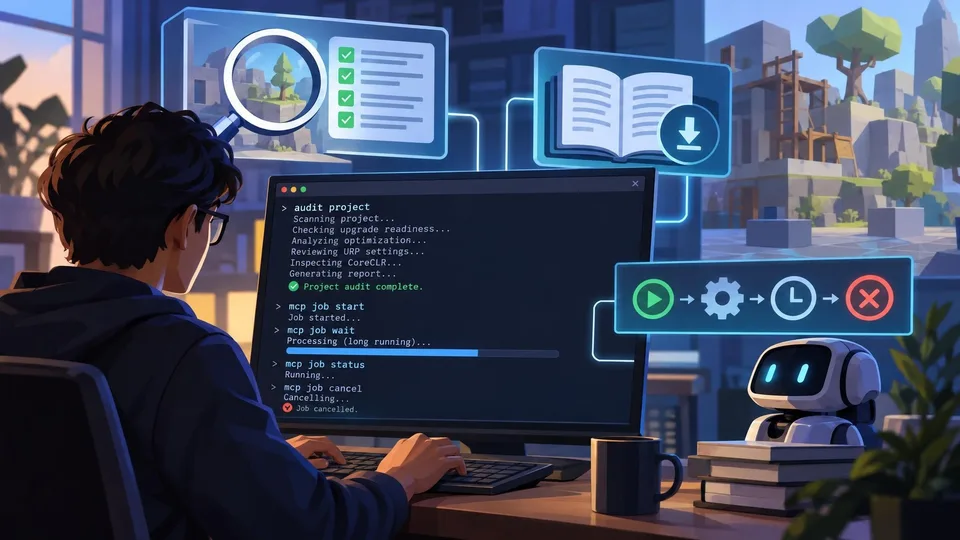
Unity CLI Beta 15 Adds Project Audits and Long-Running MCP Jobs
Unity CLI 1.0.0-beta.15 introduces project auditing, offline documentation access and MCP job controls aimed at automated workflows. The October 29 release also changes command output and removes some earlier commands, requiring script updates.
Comments