
Meshy N1 Introduces Faster Stylized 3D Texturing, With Clear PBR Trade-Offs
Meshy has detailed its N1 texture mode for stylized game assets, claiming roughly 20-second results in a specific T2 workflow. It produces 2K base color without PBR maps, costs 10 credits per run and has a separate Retexture API option.
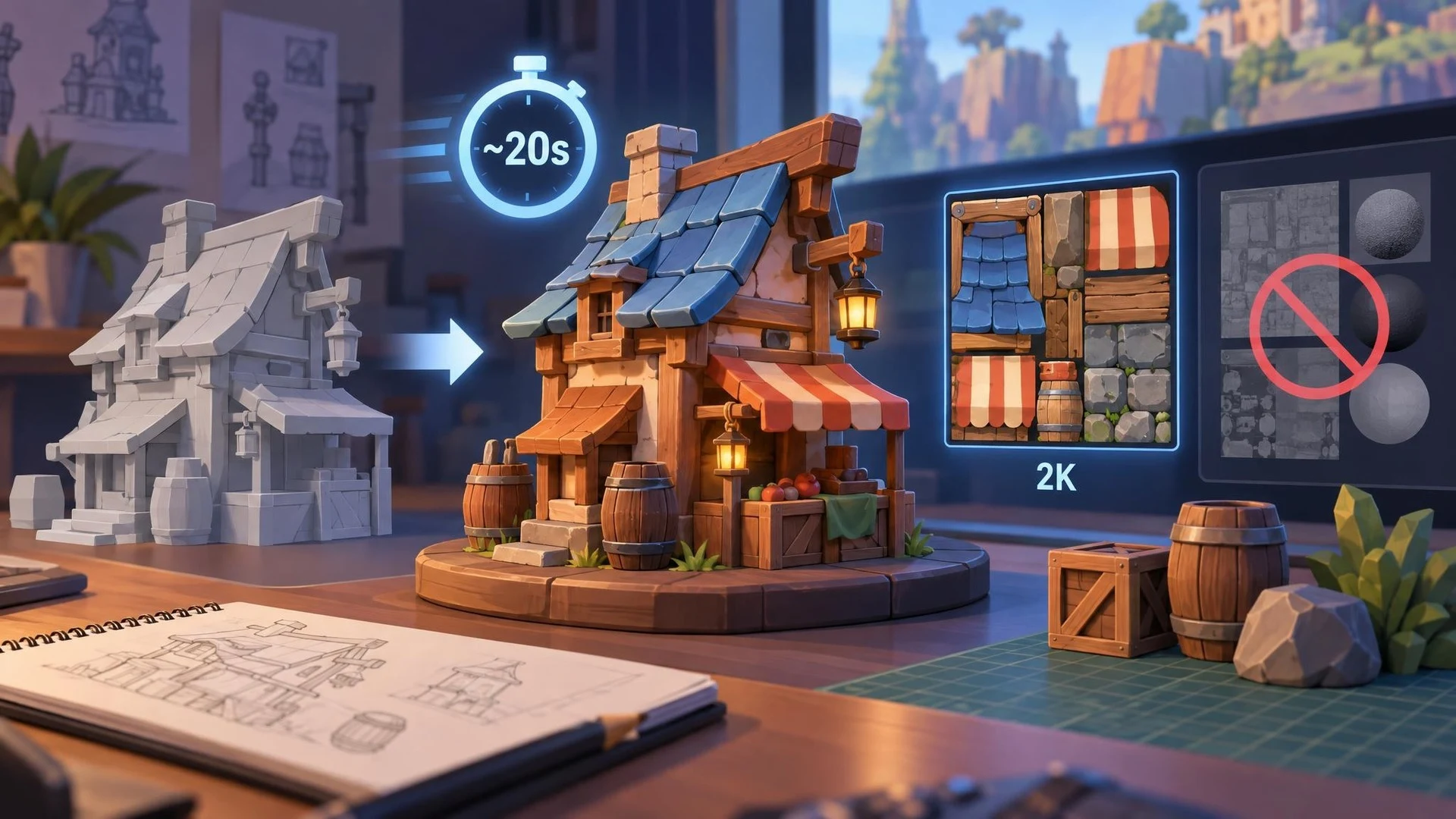
Texture generation often becomes the slowest part of producing a large collection of small game props. Meshy has introduced N1, a texture mode aimed at stylized and low-poly assets, and published a detailed explanation on November 3, 2026. The company says the approach generates color directly on a model's surface rather than combining several projected camera views.
Meshy's main claims concern speed and cleaner seams. For the company's specific T2 plus N1 workflow, it reports a total time of around 20 seconds for a textured asset, approximately three times faster than an older Meshy 7 texture workflow. Those figures are vendor measurements, not independent benchmarks. Actual processing time can depend on workload, service conditions and the chosen generation path.
The output format sets an important expectation. N1 generates a 2K base-color texture but does not currently produce a full physically based rendering material set. It also prioritizes stylistic consistency and speed over very fine surface detail. A developer seeking realistic paint damage, layered roughness, metal response or other detailed PBR information may need another texture process or manual authoring.
Meshy says N1 has been available in its workspace since October 30 and is the default for T-series textured generation. Registered free-tier users can access it, but each run consumes 10 credits. Free account availability is therefore not the same as unlimited free generation. Subscription balances, credit grants and output rights should be reviewed under the current service terms.
The API has a separate timeline. Meshy's November 2 developer changelog says the Retexture API supports the explicit model identifier meshy-n1 for existing models, accepting one to four reference images and producing a 2K base-color result. That API path does not accept a text prompt, and the generic latest model option still points to Meshy 7. This is distinct from the company's website workflow and should not be conflated with full API access to every N1 generation mode.
A valuable test for a Unity or Unreal project would involve two stylized props with similar surfaces. Prepare a consistent reference image, texture one model with N1 and another with a more detailed workflow, and evaluate seams and appearance under the same in-engine lighting. Measure the effort required to create or correct roughness and normal maps if the final art direction needs them.
Neither the advertised processing time nor an attractive preview establishes that a model is optimized for gameplay. UV quality, poly count, materials and target-platform performance still need inspection. The new mode looks most compelling for high-volume stylized asset production, while realistic materials may remain better served by a more complete PBR pipeline.
For game artists, N1 is a clearly scoped texturing release rather than a new geometry generator. Its practical value depends on whether speed and surface consistency outweigh the missing detailed material maps.
Rate this story
What did you think of this article?
Log in to rate this story, comment and like replies.
Log inNo comments yet. Be the first to share your thoughts.
More stories
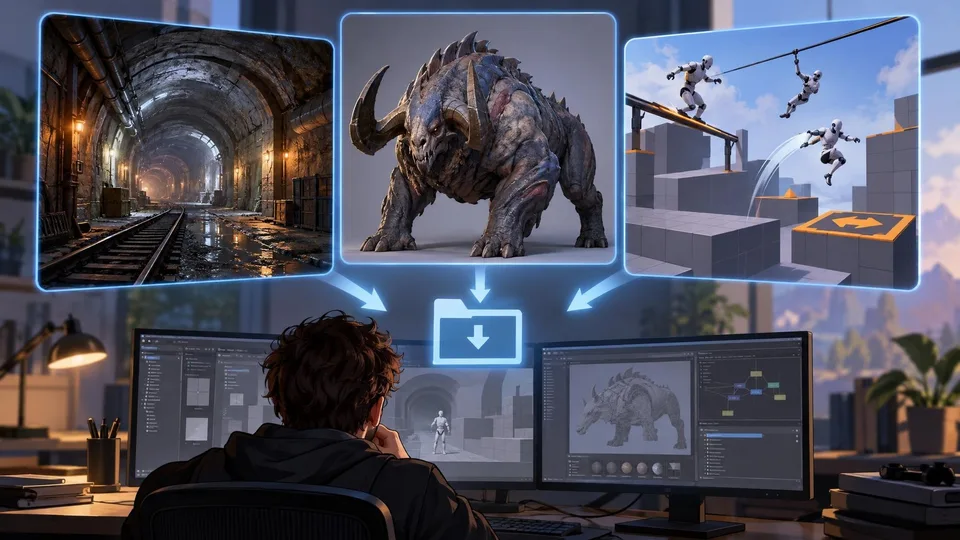
Fab Opens a New Two-Week Window for Three Free Creator Asset Packs
A new official Fab promotion runs from November 3 through November 17 and includes an underground tunnel, a science-fiction creature and a 3D platformer mechanics bundle. Compatibility and licensing still need to be checked per listing.

Claude Code 2.1.318 Repairs Session Recovery and MCP Configuration Handling
Anthropic published Claude Code 2.1.318 on November 4 with fixes for lost resumed conversations and MCP configuration saves. For Unreal C++ and Unity C# teams, the relevant story is agent reliability rather than a new engine integration.
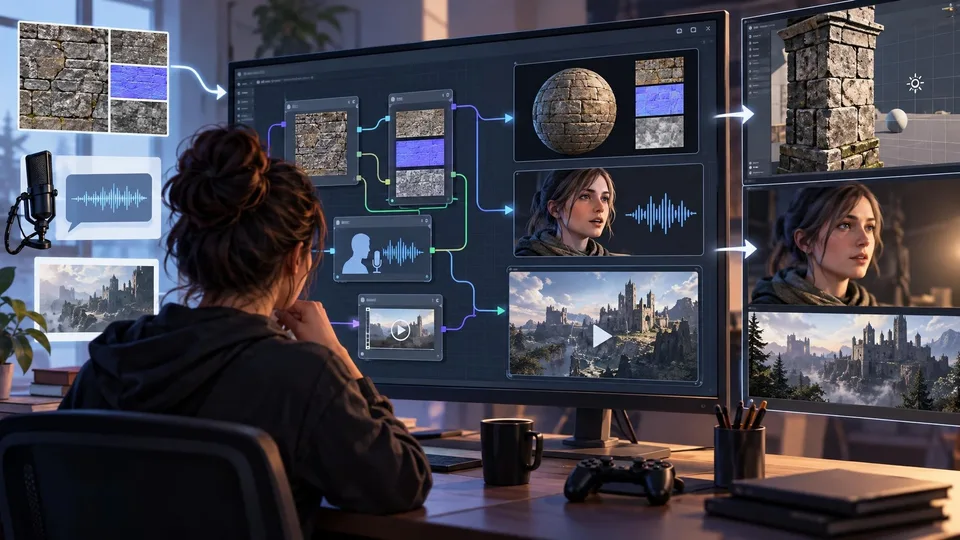
ComfyUI 0.44.0 Adds Texture and Dubbing Nodes for Game Content Pipelines
ComfyUI 0.44.0 brings a Patina texture partner integration, VEED dubbing and new image and video processing nodes. The November 4 release broadens possible asset workflows, while provider access, costs and model requirements vary.
Comments