
Epic Refreshes Mutable Sample for Unreal Engine 5.8
Epic's updated Mutable Sample demonstrates MetaHuman customization, clothing refitting and simpler character graphs, giving Unreal Engine developers a practical reference for building their own appearance systems.
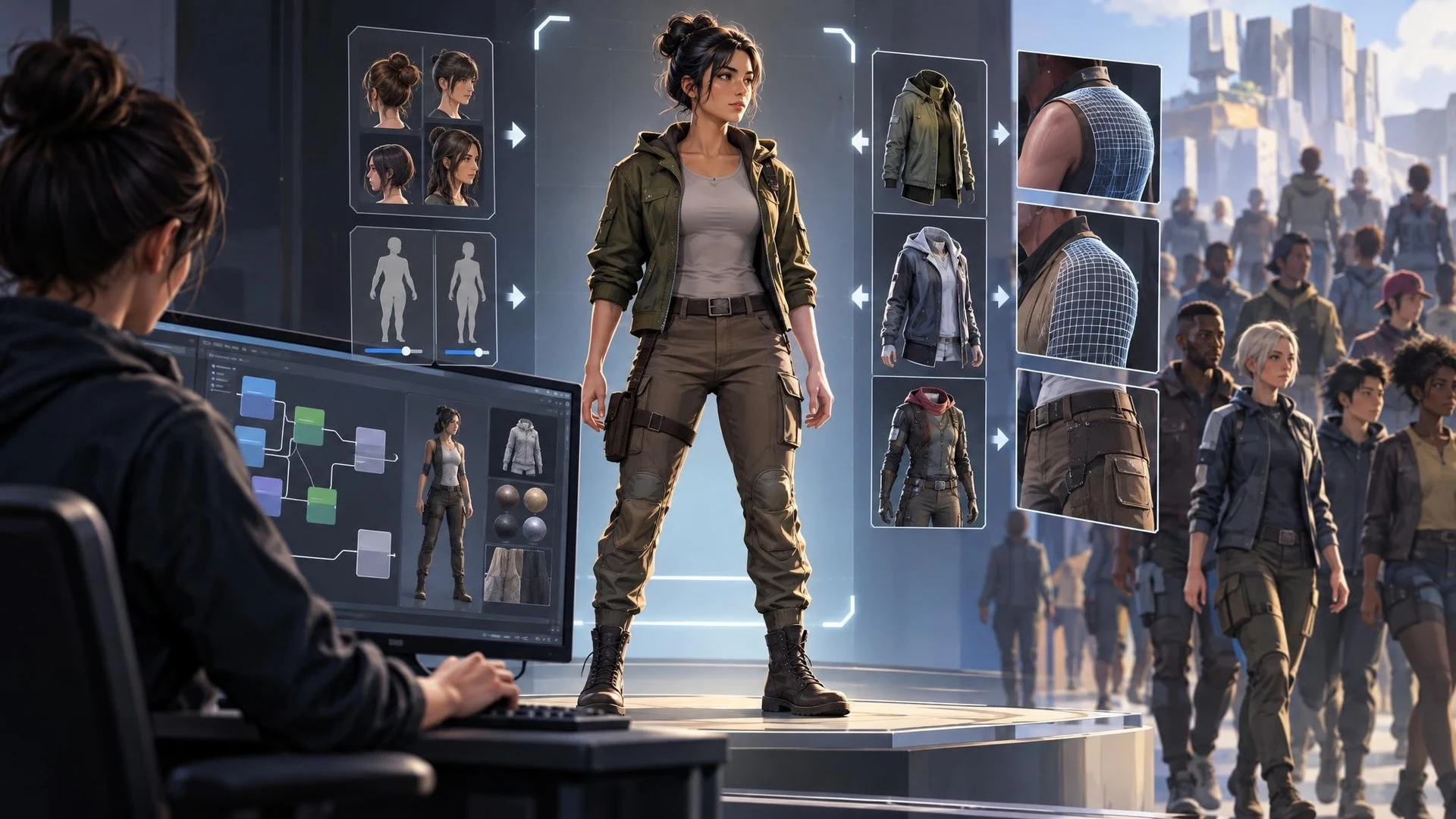
Epic Games announced an updated Mutable Sample for Unreal Engine 5.8 on October 27, giving developers a refreshed reference project for runtime character customization.
Mutable generates skeletal meshes, materials and textures in the editor or while a game is running. Epic's documentation presents it as a toolset for configurable characters and other dynamic content, including props and animals. That distinction matters: this is an asset-composition system, not a service that generates a finished character from a text description.
The refresh adds a MetaHuman setup for swapping clothing and hairstyles, simplifies work with Skeletal Mesh graphs, and demonstrates body-shape controls that refit clothing as proportions change.
Its examples also cover removing geometry hidden beneath clothing and combining materials to reduce draw calls. These are inspectable workflows rather than a promise that every character will become cheaper to render.
The complete sample is available free on Fab. The listing describes character and weapon customization, an interactive Showcase level, and an Infinite Level that creates a random crowd for performance evaluation. Those examples offer different starting points depending on whether a developer wants to study individual customization choices or larger groups of generated characters.
For a small team, a sensible first experiment would be one character with two outfits and a single body-shape control. That keeps the evaluation focused: does the clothing stay aligned, do materials remain correct, and can the same configuration be reconstructed after changing characters or restarting the scene?
A second pass could examine the cost of making those changes. Compare draw calls, memory usage and the time needed to update a character under the same conditions. A scene that looks correct with one character is not enough evidence to choose an implementation for a crowded level. These are suggested checks, not benchmarks performed for this article.
It is also worth separating appearance from gameplay during the experiment. Changing a jacket should not accidentally reset health, remove equipment or alter saved progression. Testing those boundaries early would help establish what the customization system owns and what should remain in the surrounding game code.
The practical opportunity is a clearer route from an inspectable example to a project-specific character system. Start in a separate project, study one feature at a time, and measure the result on the intended hardware before committing to a larger wardrobe or crowd. The sample is most useful as a reference that can be understood and tested, rather than a shortcut around integration work.
Rate this story
What did you think of this article?
Log in to rate this story, comment and like replies.
Log inNo comments yet. Be the first to share your thoughts.
More stories
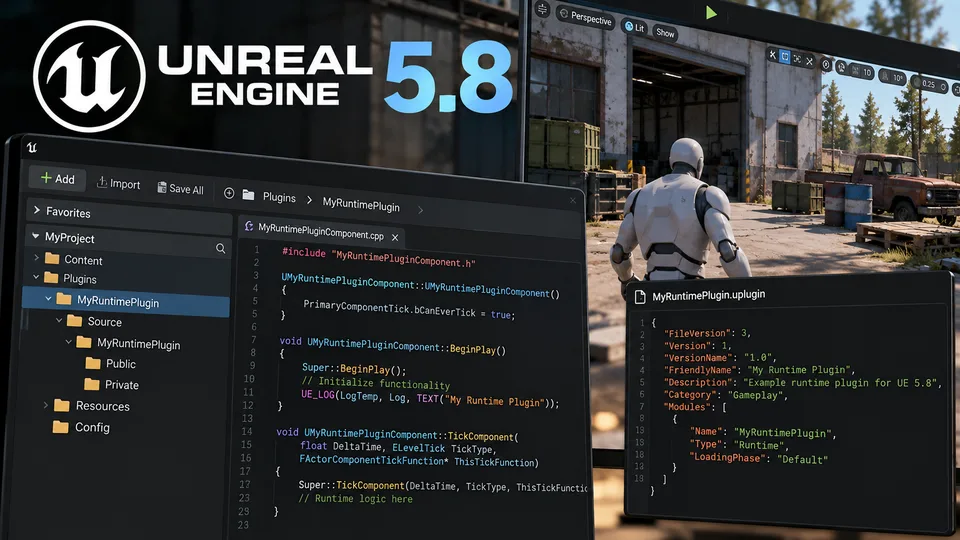
New Unreal Engine 5.8 Tutorial Introduces Runtime Plugin Development
A new community tutorial explores runtime plugins in Unreal Engine 5.8, offering a starting point for developers building reusable C++ gameplay systems.
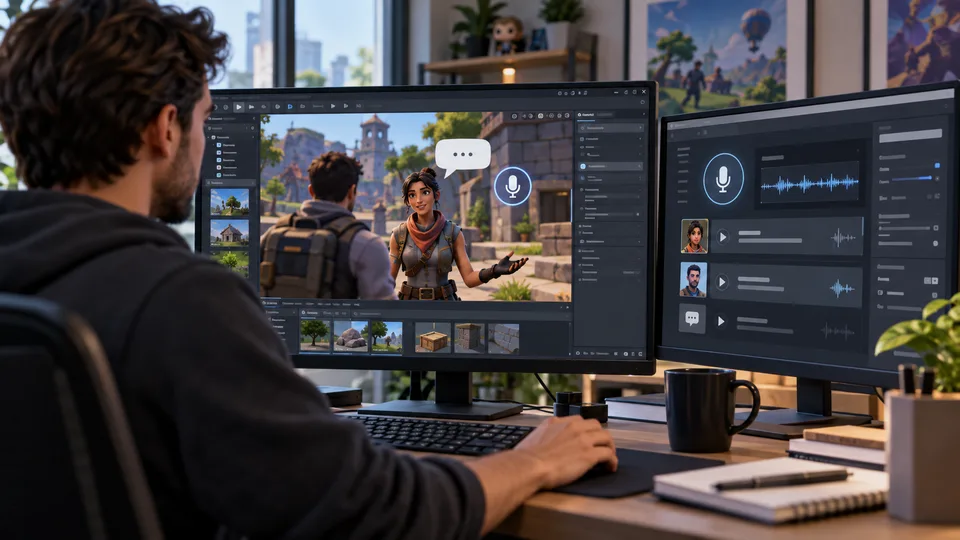
UEFN Upgrades AI NPC Conversations With Eleven v4 Turbo
Epic Games has upgraded UEFN Conversations with faster voice responses, sentence streaming and improved character delivery, without requiring manual changes from creators.
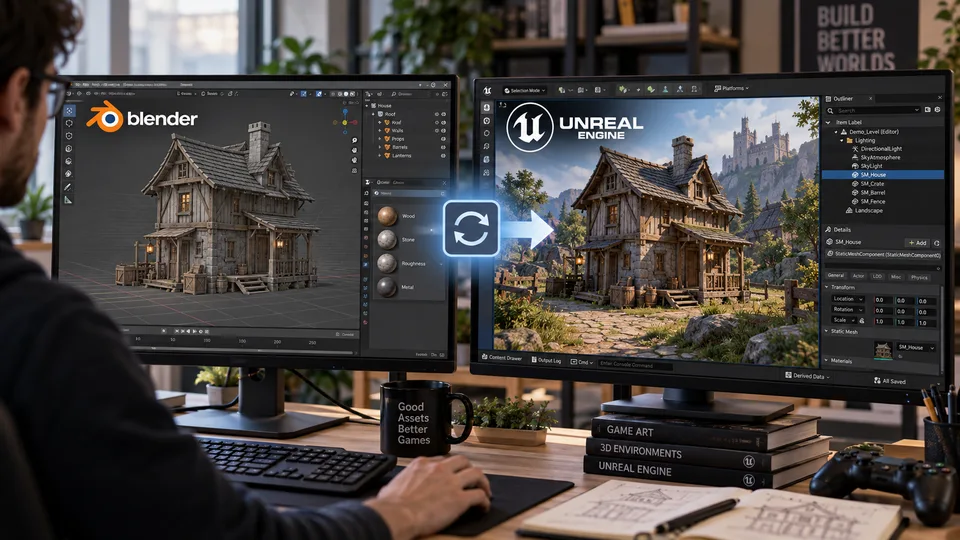
Blender Live Link Brings One-Click Asset Transfers to Unreal Engine 5
Gamma Studio’s Blender Live Link connects Blender and Unreal Engine with one-click asset transfers, automatic updates, and support for models and animations.
Comments