
An Epic Roadmap Entry Describes MCP-Controlled Unreal Insights Tracing
Epic has published a roadmap entry describing MCP controls for trace capture and retrieval in Unreal Insights. The proposal is relevant to performance analysis in UEFN, but it is not a confirmed shipping feature or a general Unreal Engine release.

Performance optimization begins with evidence. A frame-rate drop can come from game logic, rendering, memory pressure, or a sequence of smaller problems. Developers therefore need repeatable measurements before changing code. An Epic Games roadmap entry dated October 30, 2026 describes a more automated way to work with Unreal Insights traces through the Model Context Protocol, or MCP.
The roadmap text says an MCP server can start and stop trace captures on a running client and retrieve recent trace history. It also describes retaining loaded traces after a connection interruption and lowering the memory used to hold them. Those are the capabilities Epic is outlining, rather than measurements independently established in a released product.
The post appears in Epic's Fortnite and UEFN roadmap area. Its status is shown as None, and it does not provide a general availability date. It should not be read as confirmation that every Unreal Engine 5.8 installation already contains these controls. Conventional Unreal Engine projects and UEFN experiences also have different deployment and tooling paths.
If the planned integration becomes available in a developer's environment, a coding assistant could help organize a controlled profiling session. For example, the developer might reproduce a slowdown in a crowded area, ask the agent to request a capture, and retrieve trace history for comparison. The assistant would still need to interpret the data correctly and distinguish observed timings from proposed causes.
That distinction matters because automated profiling can make collecting evidence easier without making optimization decisions automatic. An agent might notice an expensive frame, but deciding whether a feature should be redesigned still requires knowledge of gameplay priorities, hardware budgets, and expected player behavior.
A useful preparation exercise today is to write down a repeatable benchmark: the same scene, camera route, hardware settings, and duration. Capture the baseline with currently supported profiling tools. Record frame time and relevant subsystem behavior before any optimization work begins. This creates a standard that a future MCP-driven workflow can be judged against.
The October 30 entry is meaningful as a direction for Epic's developer tooling. For now, the responsible conclusion is that more automated trace control is on the roadmap, while actual availability, compatibility, and performance benefits remain to be verified when Epic supplies release details.
Rate this story
What did you think of this article?
Log in to rate this story, comment and like replies.
Log inNo comments yet. Be the first to share your thoughts.
More stories
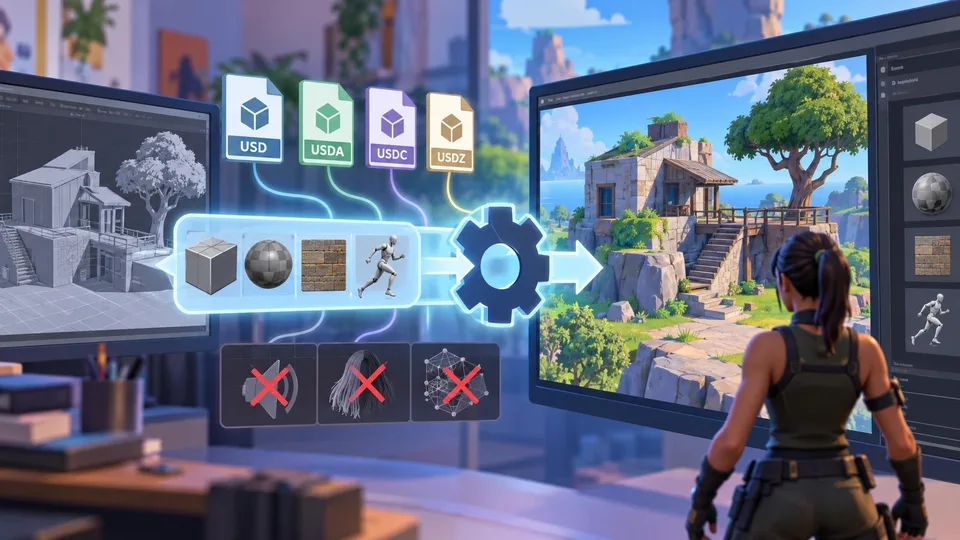
Epic Outlines USD Scene Import for Unreal Editor for Fortnite
A new Epic roadmap entry describes a USD import workflow for UEFN using the Interchange pipeline. It names several supported USD formats and asset types, while explicitly excluding USD export and some scene data.
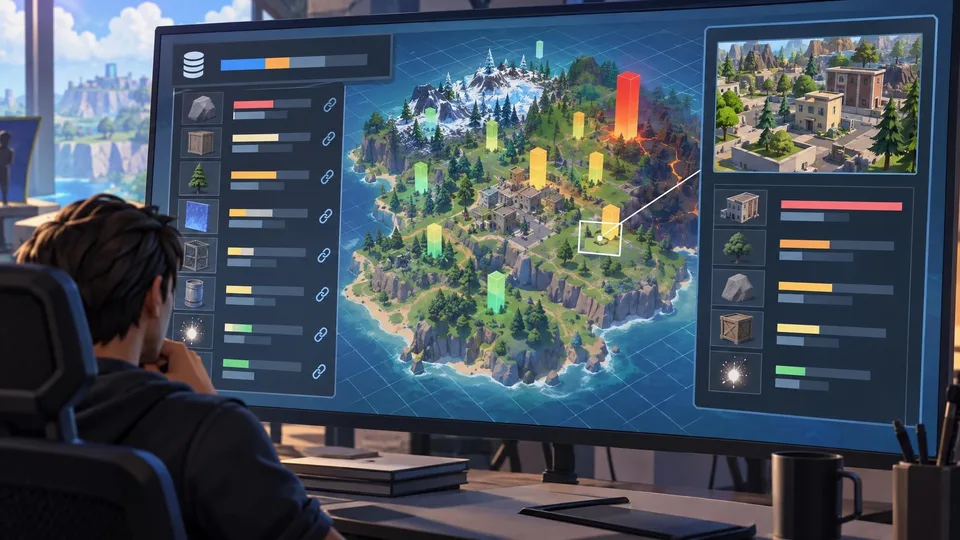
UEFN Roadmap Describes Asset-Level Memory Snapshots and Spatial Analysis
Epic has outlined planned updates to memory reporting in UEFN, including engine memory, asset links and spatial calculations. The October 30 entry has no stated availability date and should be treated as roadmap information.

Rivian Shows How Unreal Engine 5 Powers an Embedded Halloween Experience
Epic has detailed Rivian’s Ghostbusters-themed Halloween Mode, which uses Unreal Engine 5 for real-time visuals in a vehicle interface. The automotive case study illustrates an embedded 3D workflow rather than a new game-engine feature.
Comments