
Unreal Engine 6 Roadmap Points Toward Verse and a Different Gameplay Architecture
Epic Games Japan has outlined a Verse-centered Unreal Engine 6 vision, but its description of removing familiar gameplay systems conflicts with an earlier Epic roadmap. Developers should treat the timing and migration details as unsettled.
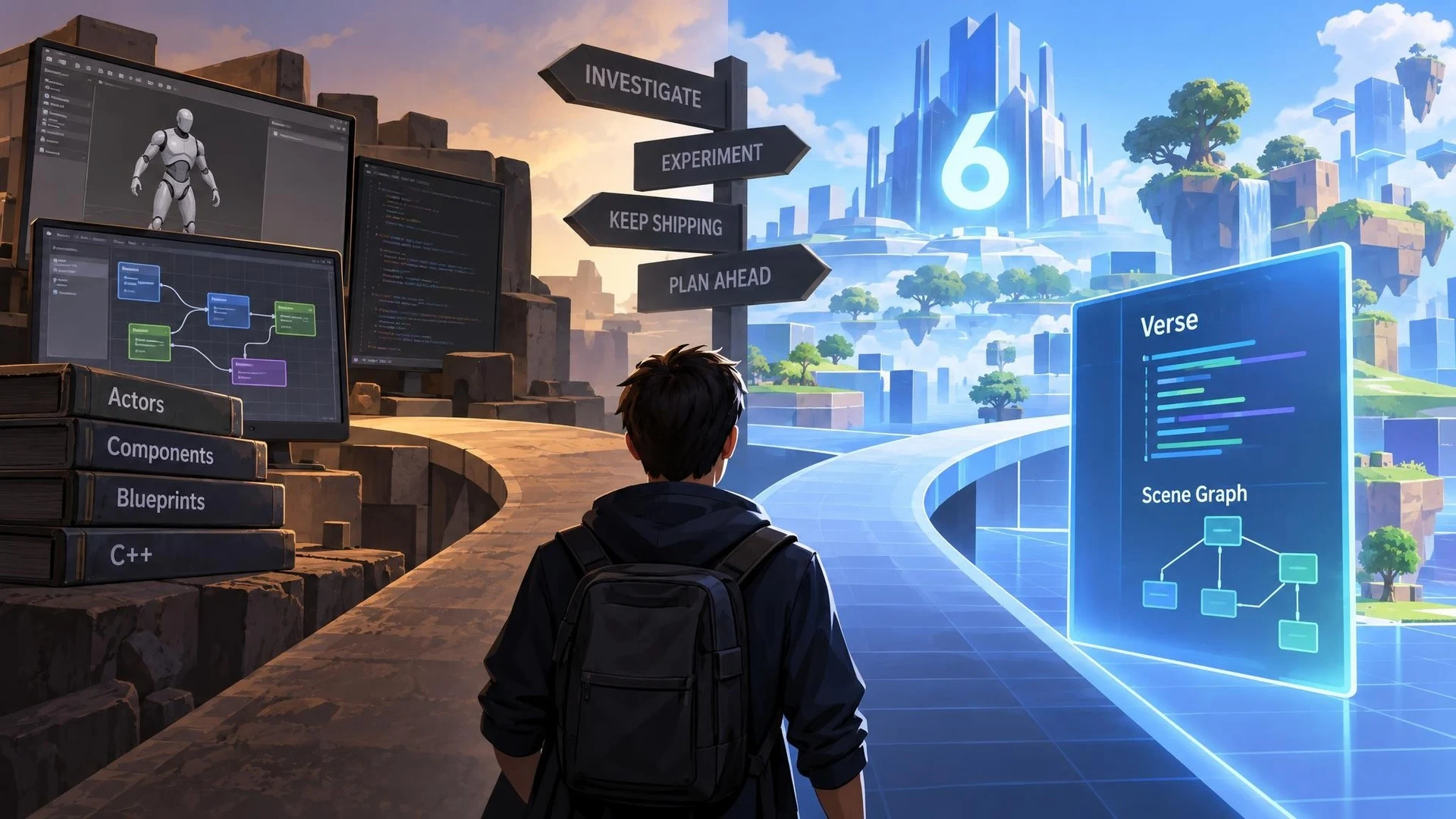
Epic Games used Unreal Fest Tokyo 2026 to outline a major architectural direction for Unreal Engine 6. In its November 5 recap of the November 3–4 event, Epic Games Japan described a longer-term plan to bring conventional Unreal Engine development and Unreal Editor for Fortnite closer together. The company emphasized open standards, interoperability and a gameplay programming model centered on Verse and Scene Graph.
The most consequential detail concerns the familiar Unreal gameplay workflow. Epic Games Japan's November statement describes a late-2027 UE6 preview plan and says that Blueprint and the C++ Gameplay Framework would not be included in UE6 projects. However, Epic's earlier official English roadmap, published in June, explicitly said that Actors and Blueprints would remain in early UE6 versions and be deprecated only after the new framework matured. Those statements are not fully consistent. Epic has not resolved that difference in the two cited announcements, so developers should not treat immediate removal as a settled specification.
That distinction matters enormously to existing studios. UE5 game projects are built around Actors, Components, Blueprints and native C++ code. A future architecture proposal does not invalidate current tools or guarantee that an existing title will have to move. The earlier English roadmap specifically promised a manageable transition path and eventual conversion tools, while the later Japanese summary uses stronger wording about future UE6 projects. Epic's direction still needs to be translated into public tooling, compatibility rules, documentation and a credible migration path before developers can assess its full impact.
Epic also highlighted its preference for developers to choose their own AI models through a Model Context Protocol integration. The strategic connection is clear: textual, inspectable gameplay definitions may be easier for some coding agents to analyze than large visual graphs. Nevertheless, any claim that Verse will automatically produce better games or eliminate debugging would go well beyond the announcement.
For an active Unreal project, the sensible response is investigation rather than a rewrite. Teams can keep shipping on their supported UE5 versions while testing small gameplay concepts in an isolated environment whenever corresponding Verse and Scene Graph capabilities become available. A useful proof of concept would recreate a simple timed door, a trigger and a stateful objective, then compare readability and testability across implementations.
Developers should track Epic's published preview documentation rather than treating a conference roadmap as a final specification. The future feature set, availability, licensing and upgrade details may change before late 2027. For now, this announcement establishes an unusually clear signal about Unreal's long-term gameplay architecture, not an immediate removal of everyday UE5 tools.
Rate this story
What did you think of this article?
Log in to rate this story, comment and like replies.
Log inNo comments yet. Be the first to share your thoughts.
More stories
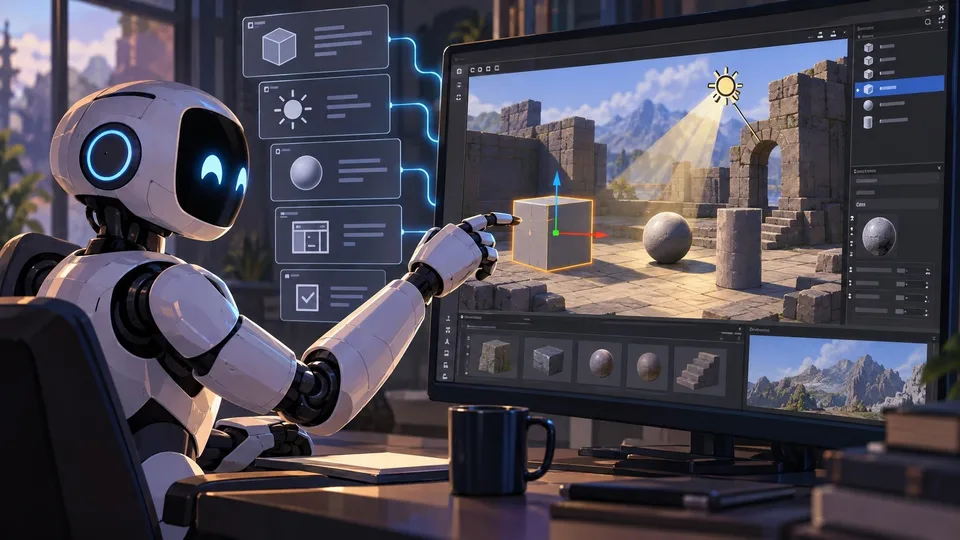
Official Unreal MCP Documentation Shows How AI Agents Can Control the Editor
Epic documentation describes an experimental Unreal MCP server running inside the editor, with tools for actors, lighting, materials and automated tests. It turns an earlier event announcement into a concrete setup workflow, with clear safety limitations.

Unity 6.7 Beta 8 Improves Build Asset Traceability and Profiling
Unity 6000.7.0b8 adds a reference tree to Build Analysis and improves memory attribution in profiling tools. It is a beta editor update and should be tested outside production branches.
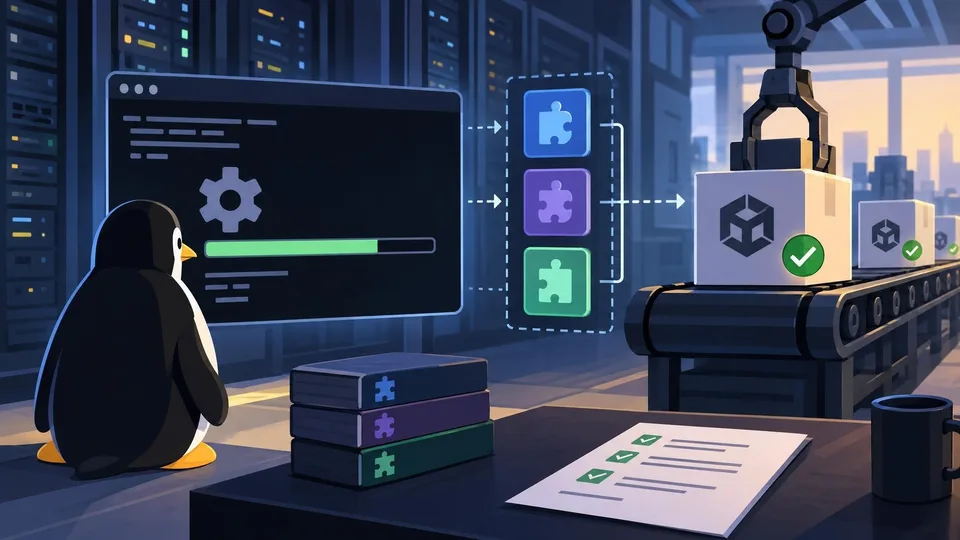
Unity CLI Beta 17 Adds Headless Linux Editor Installation and Dependency-Aware Plugins
Unity CLI 1.0.0-beta.17 follows the earlier beta.16 with headless Linux editor installation, managed plugin dependencies and more predictable scripting errors. The changes matter to build automation, not runtime game features.
Comments