
Unity 7 Alpha 16 Explores URP Migration, HLSL 2021 and OpenXR Changes
Unity 7000.0.0a16 includes a migration dialog for older render pipelines and experiments with HLSL 2021 syntax and OpenXR spatial containers. Alpha status and known regressions limit production use.

Unity has published Unity 7 alpha build 7000.0.0a16, dated November 5, 2026. The official release notes cover a wide range of early engine work, but three areas stand out for graphics and extended reality teams: render pipeline migration guidance, shader authoring and OpenXR support.
For projects upgrading from the Built-In Render Pipeline, Unity has added a startup dialog intended to guide migration toward the Universal Render Pipeline with help from Project Auditor. That does not mean a complicated project's materials or custom shaders will convert without intervention. It is an editor aid designed to make compatibility problems easier to identify and address.
Shader authors can experiment with an HLSL 2021 language option on targets supported by the DirectX Shader Compiler, including the listed D3D12 and Vulkan paths. The notes also mention multiple spatial containers for OpenXR. Those are specific technical capabilities with different prerequisites. Neither proves that every standalone VR headset supports the same feature, and runtime behavior still depends on the platform, XR runtime and project configuration.
Other entries in the alpha include changes in UI Toolkit, audio settings and the scripting environment. The notes mention newer .NET base-class libraries for certain build targets. This should not be generalized into blanket compatibility with every modern .NET package or C# feature, especially when an engine build still contains experimental runtime components.
For an XR developer, a controlled comparison would use one minimal OpenXR sample scene and the same headset and runtime across builds. Check whether required project settings remain available, whether device initialization succeeds and whether frame timing changes. Graphics teams could separately open a throwaway Built-In pipeline project and inspect the migration report, rather than attempting a full production conversion.
The version is explicitly alpha and Unity lists known issues, including problems that may affect multiplayer templates and CoreCLR diagnostics. The sensible conclusion is that Unity 7 offers useful visibility into forthcoming engineering direction, not that it should replace the team's stable editor immediately. Capture observations, submit reproducible issues when appropriate, and leave shipping projects pinned to supported versions until the relevant features mature.
Rate this story
What did you think of this article?
Log in to rate this story, comment and like replies.
Log inNo comments yet. Be the first to share your thoughts.
More stories
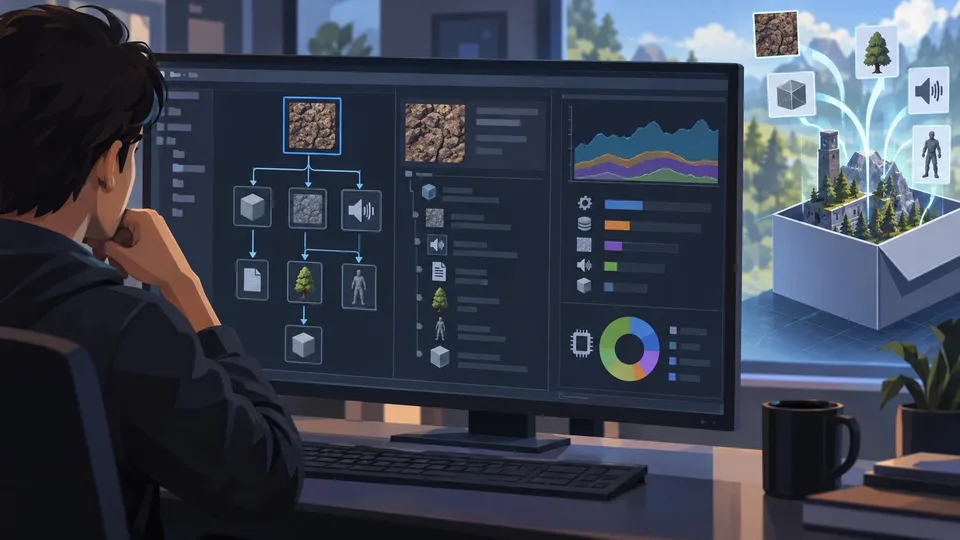
Unity 6.7 Beta 8 Improves Build Asset Traceability and Profiling
Unity 6000.7.0b8 adds a reference tree to Build Analysis and improves memory attribution in profiling tools. It is a beta editor update and should be tested outside production branches.
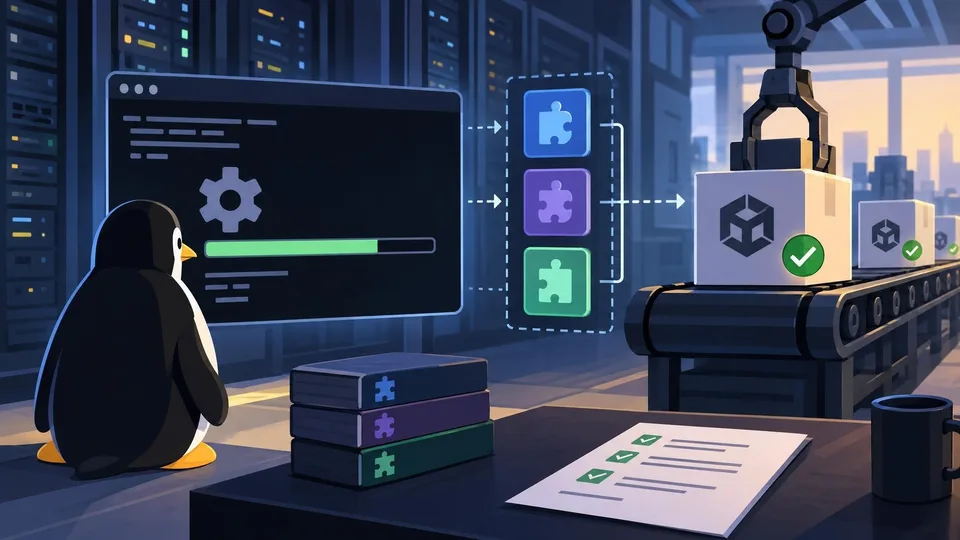
Unity CLI Beta 17 Adds Headless Linux Editor Installation and Dependency-Aware Plugins
Unity CLI 1.0.0-beta.17 follows the earlier beta.16 with headless Linux editor installation, managed plugin dependencies and more predictable scripting errors. The changes matter to build automation, not runtime game features.

Unity 6 LTS Security Update Fixes Brotli and Package Manager Vulnerabilities
Unity 6000.0.85f2 includes security fixes affecting Brotli decompression and the Package Manager runtime, alongside networking and rendering corrections. The November 3 LTS patch is especially relevant to supported production projects.
Comments