
Unity 6.6 Content Directories Get an Official Getting-Started Guide
Unity’s October 26 technical article introduces developers to content directories, a newer asset packaging system already shipped in Unity 6.6. The guide outlines how it differs from AssetBundles and why teams should test loading and memory behavior before migrating.
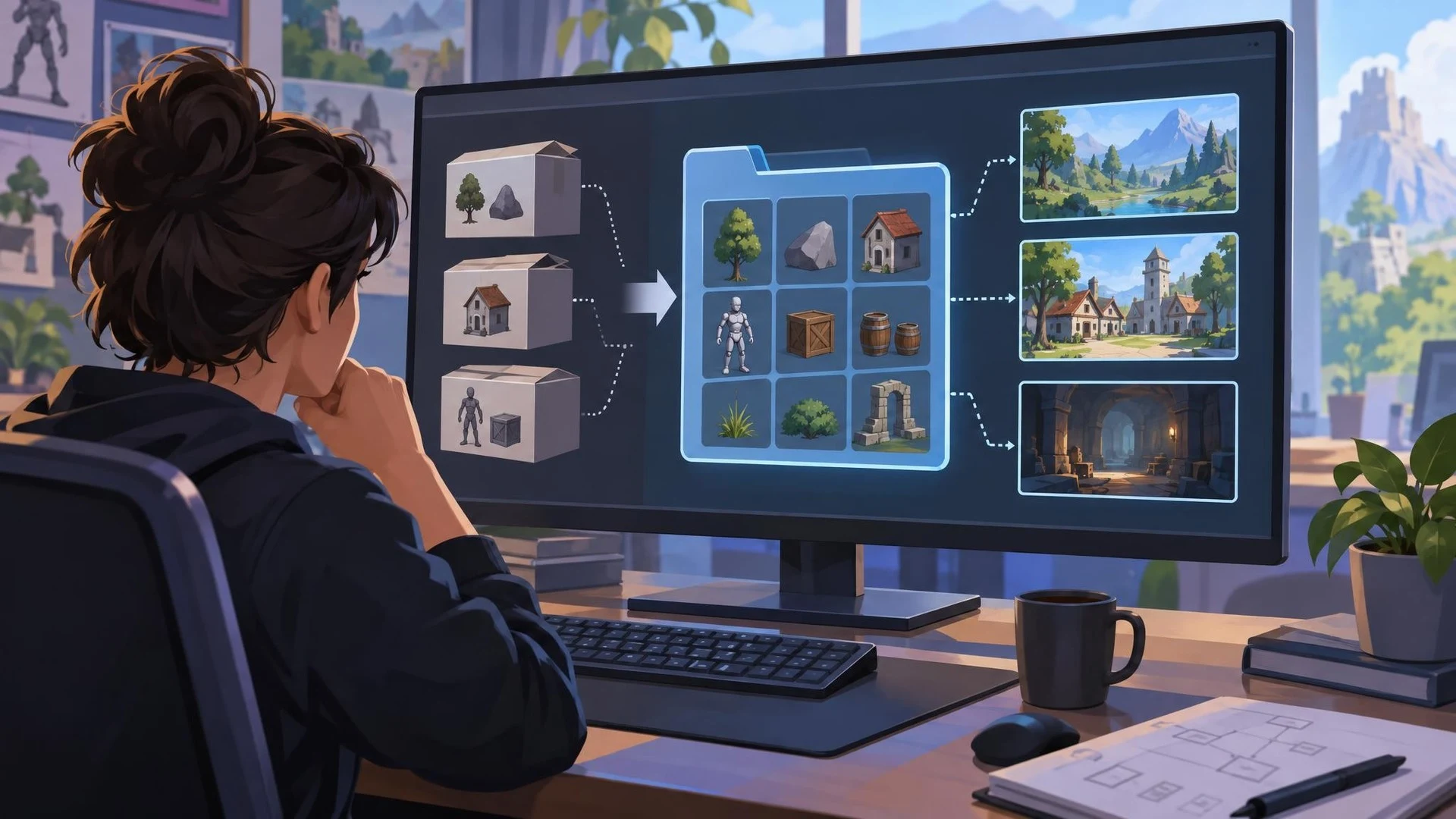
Asset delivery is easy to overlook in a small prototype, but large games need a reliable way to package, load, and update content. An official Unity technical article published on October 26, 2026 offers a starting point for a system called content directories, introduced with Unity 6.6. The date refers to the new guide, not the original arrival of the feature.
Unity describes content directories as a redesigned asset packaging approach intended to address limitations of AssetBundles. Traditional bundles have powered many commercial Unity applications, while the Addressables package helped teams organize and load assets without manually managing every low-level dependency. Content directories represent a newer approach to the same production problem.
According to Unity's explanation, the redesign aims to make assets easier to organize and improve several aspects of content processing. The vendor points to potential benefits in loading time, build time, and runtime memory use. Those are reasons to evaluate the system, not a promise that every project will immediately become smaller or faster after migrating.
Asset management decisions affect everyday workflows. A game with many environments might want to keep optional content separate from the first scene. A live game may need to deliver new content without rebuilding every unrelated asset. A simulation or visualization application may reuse large models across scenes. Each scenario creates different requirements for dependencies, updates, caching, and memory residency.
Migration also creates risks. Asset references that worked under an existing Addressables or AssetBundle setup may need new rules. The build process and any custom tools around it must understand the new structure. Teams should be especially careful with content that is downloaded, patched, or shared between several platforms, because a straightforward editor demonstration does not establish the entire delivery workflow.
A focused evaluation can begin with a disposable Unity 6.6 project containing two scenes and several shared prefabs. Package the same small content set using the existing workflow and content directories, then compare how assets are built, discovered, and loaded. Record memory usage and the behavior when content is unloaded. Avoid changing the original project's delivery system until the relevant tests are repeatable.
The official technical post serves as an entry point to documentation and learning resources. It should not be reported as a separate Unity 6.6 release on October 26. The practical news is that Unity has provided a clearer explanation of a recently introduced architecture that could matter to larger projects.
Developers assessing content directories should focus on measurable production needs. Organizational convenience is useful, but safe asset loading, stable builds, and correct behavior on target hardware are what ultimately determine whether a new packaging system belongs in a shipped game.
Rate this story
What did you think of this article?
Log in to rate this story, comment and like replies.
Log inNo comments yet. Be the first to share your thoughts.
More stories

Community Unreal Engine 5.8 WebGPU Fork Shows Browser-to-Native Multiplayer
A community developer has demonstrated a modified Unreal Engine 5.8 build running through WebGPU in a browser alongside a native macOS multiplayer client. The project remains experimental, and its author explicitly says it is not yet production-ready.
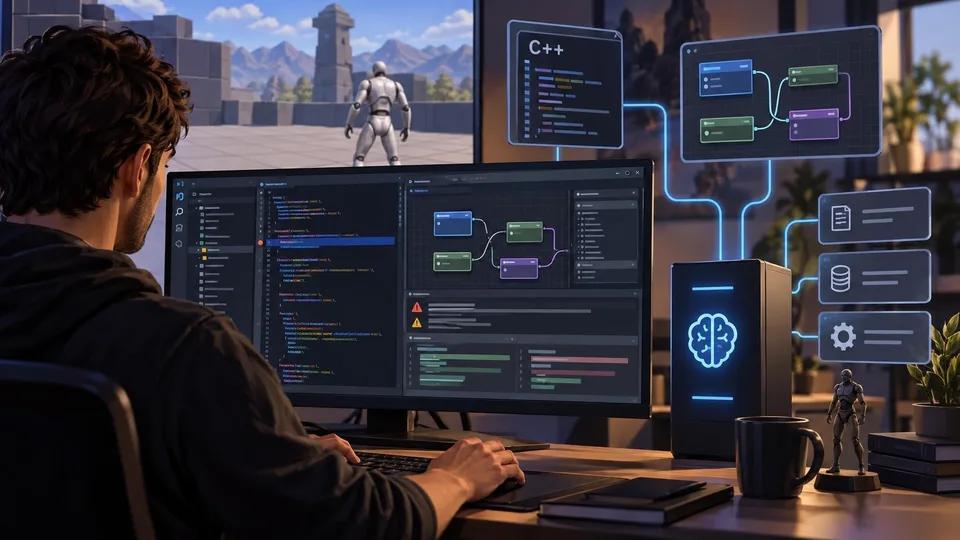
UStudio Brings Unreal Blueprint Inspection and Local MCP Tools to VS Code
The developer of UStudio has introduced a VS Code and Cursor extension with Unreal-specific C++ inspection, Blueprint viewing, live execution feedback, and a local MCP server. These capabilities are product claims that still require independent project testing.
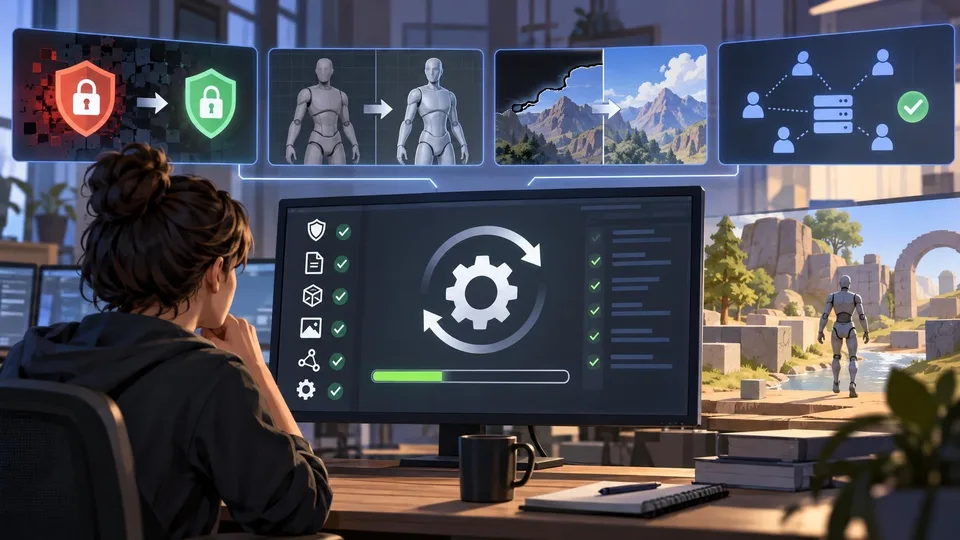
Unity 6.3 LTS Patch 6000.3.27f2 Fixes Security and Import Problems
Unity published editor build 6000.3.27f2 on October 30, addressing a Brotli decoder vulnerability alongside model-import, rendering and stability issues. Studios should assess the security fixes while testing the patch against their own projects before broad deployment.
Comments