
Community Unreal Engine 5.8 WebGPU Fork Shows Browser-to-Native Multiplayer
A community developer has demonstrated a modified Unreal Engine 5.8 build running through WebGPU in a browser alongside a native macOS multiplayer client. The project remains experimental, and its author explicitly says it is not yet production-ready.

A browser build of Unreal Engine has long been an appealing prospect for developers who want players to try interactive experiences without downloading a conventional application. On October 30, 2026, independent developer Pooya Eimandar shared a technical demonstration of Unreal Engine 5.8 running through WebGPU, with multiplayer communication between browser clients and a native macOS application.
The demonstration uses Epic's Third Person template, giving the experiment a familiar starting point. According to the developer's description, several browser instances join the same multiplayer environment as a native client. Each joins as its own player, and movement is synchronized using Unreal Engine networking and replication. This is more specific than a video of a rendered character: the author is showing the interaction of two different execution targets.
The project is a modified engine fork rather than a standard export option in the Unreal Editor. Its public repository provides documentation and instructions for accessing the licensed source fork. Developers should not assume that an ordinary Unreal Engine 5.8 installation can package any existing game for the browser by changing a single setting.
WebGPU offers modern graphics capabilities through supported browsers, but running a large game engine in that environment introduces substantial challenges. Browser memory limits, startup downloads, asset compression, input capture, networking, shader compatibility, and platform differences can each influence whether a demonstration is suitable for a public game. The developer explicitly acknowledges that significant work remains before the fork can be called production-ready.
For studios with browser ambitions, the practical question is whether their game actually benefits from this distribution channel. A lightweight interactive demo or multiplayer lobby might make sense as an experiment. A large cinematic project with extensive third-party plugins is likely to introduce more compatibility questions and should not be treated as supported without testing.
A sensible evaluation would start with the original Third Person sample, not a full production repository. Follow the fork's setup instructions, build a native and browser client where possible, and verify movement synchronization and reconnection. Measure browser load time and memory use before adding complex assets or gameplay systems.
The announcement does not establish official Epic support for browser builds, independent performance benchmarks, or a stable release timeline. It is a community technology experiment that shows a potentially useful direction for Unreal Engine development while leaving the difficult engineering and product questions open.
Rate this story
What did you think of this article?
Log in to rate this story, comment and like replies.
Log inNo comments yet. Be the first to share your thoughts.
More stories
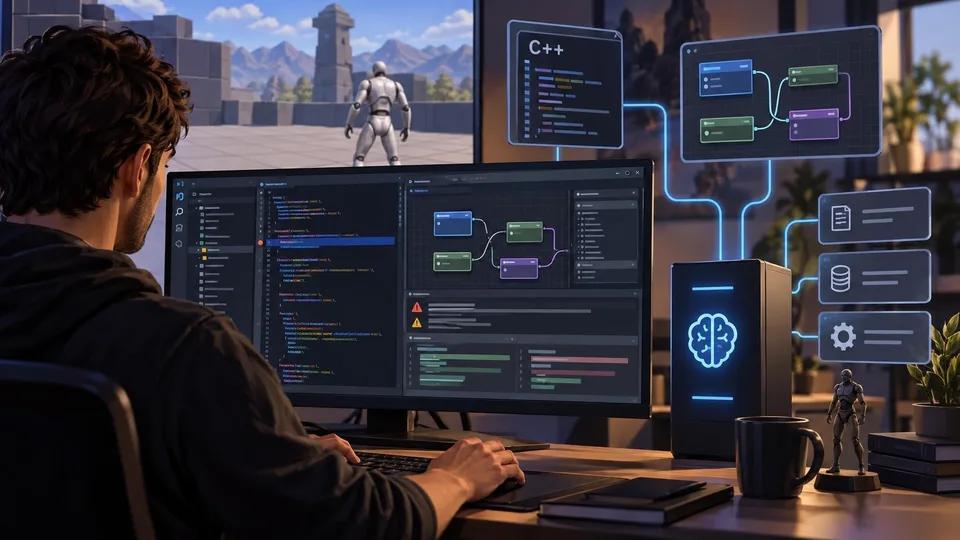
UStudio Brings Unreal Blueprint Inspection and Local MCP Tools to VS Code
The developer of UStudio has introduced a VS Code and Cursor extension with Unreal-specific C++ inspection, Blueprint viewing, live execution feedback, and a local MCP server. These capabilities are product claims that still require independent project testing.
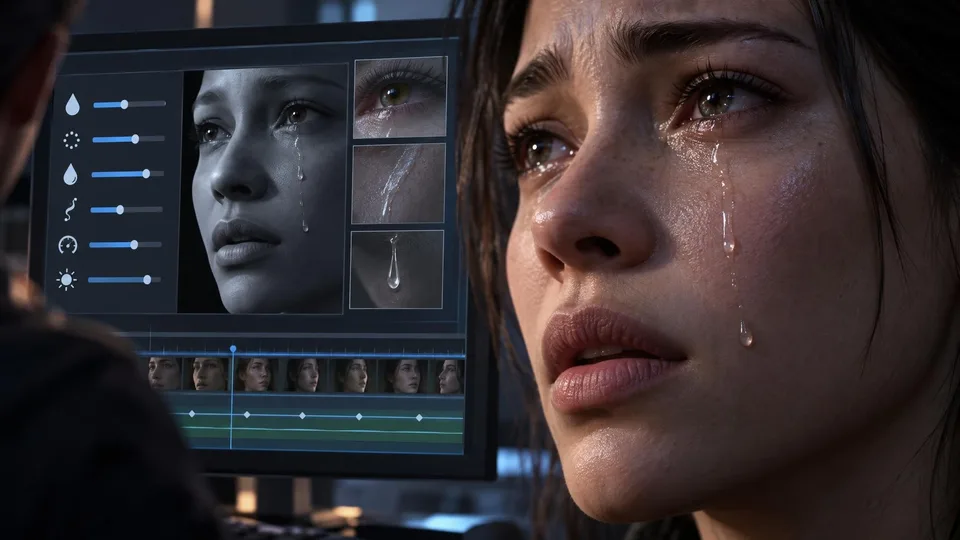
MetaCry Adds Procedural Tears and Wet Skin Effects to MetaHuman Scenes
A new third-party MetaCry effect system promises procedural teardrops, wet trails and eyelid moisture for MetaHuman characters. Its creator also describes Sequencer controls and caching for cinematic shots, although the results have not been independently tested.
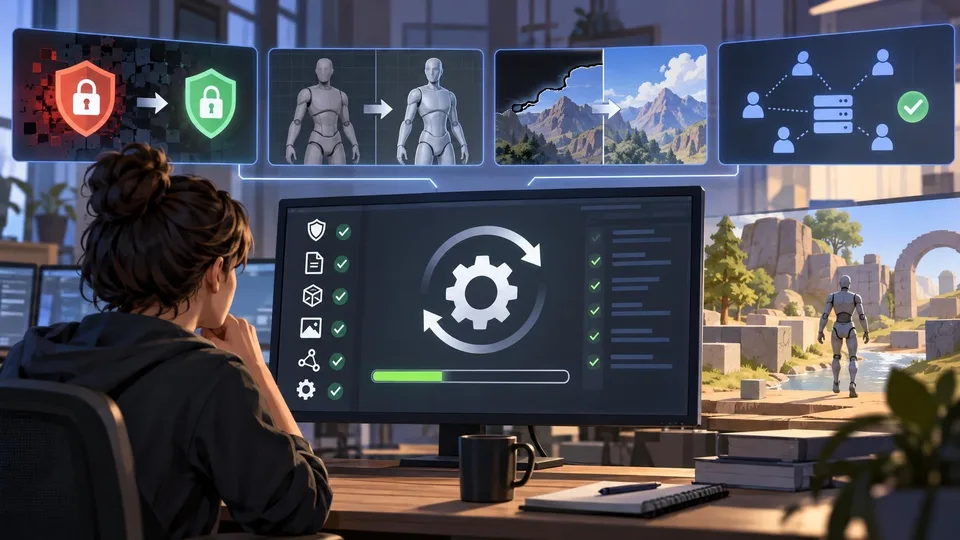
Unity 6.3 LTS Patch 6000.3.27f2 Fixes Security and Import Problems
Unity published editor build 6000.3.27f2 on October 30, addressing a Brotli decoder vulnerability alongside model-import, rendering and stability issues. Studios should assess the security fixes while testing the patch against their own projects before broad deployment.
Comments