
Unity 6.3 LTS Patch 6000.3.27f2 Fixes Security and Import Problems
Unity published editor build 6000.3.27f2 on October 30, addressing a Brotli decoder vulnerability alongside model-import, rendering and stability issues. Studios should assess the security fixes while testing the patch against their own projects before broad deployment.
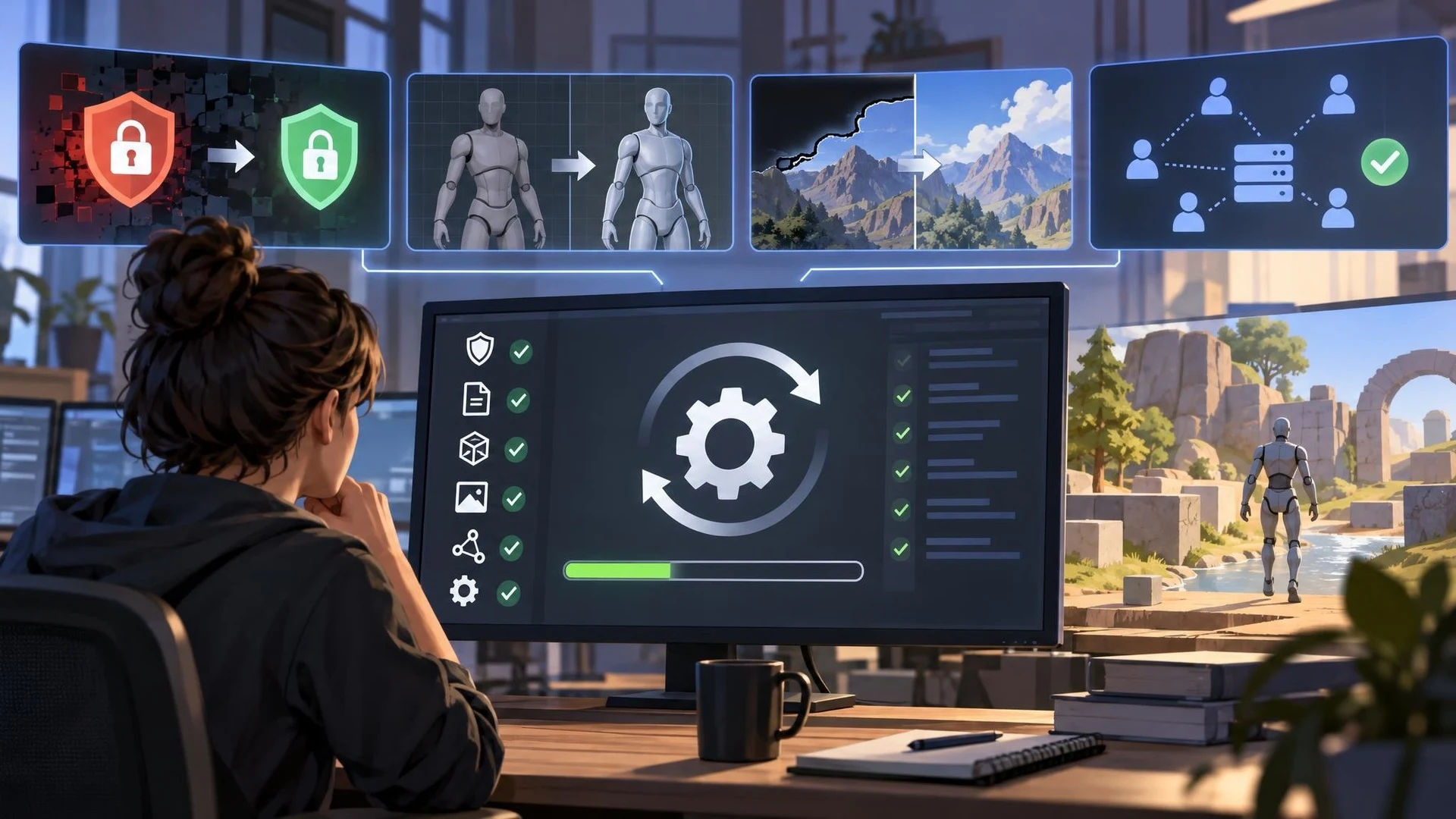
Unity developers maintaining production projects have a new Long Term Support maintenance build to consider. Unity 6000.3.27f2 was released on October 30, 2026 with fixes spanning editor stability, asset handling, rendering, networking, and security. Its value is not a new flagship feature but a collection of corrections that may reduce operational risk for teams already on the 6.3 LTS line.
The release notes include a fix for a Brotli decoder vulnerability, identified as CVE-2026-111497, in the managed compression APIs used by IL2CPP and Mono. Unity also lists an updated Node.js runtime for the Package Manager in connection with the same vulnerability identifier. The vendor describes a remote-code-execution risk when untrusted compressed data is decoded. Security-sensitive studios should review the advisory and their potential exposure rather than treating a version number alone as a complete risk assessment.
Other fixes may be more immediately visible to artists and programmers. The notes cover a model import issue involving the FBX SDK, DirectX-related stability work, and a graphical artifact where HDRP scenes showed dark borders around geometry against the sky with certain cloud and multisampling settings. These changes are relevant because such faults can look like content mistakes even when the problem lies in the editor or renderer.
The patch also touches a surprising range of runtime and workflow behavior. Among the entries are changes to garbage collection paths, input overlays, multiplayer Play Mode scenarios, networking resource cleanup, and physics validation. A project does not need all these fixes to benefit from the update, and no single release is guaranteed to solve unrelated defects.
A responsible upgrade process should start from a known-good source-control state. Record the current editor and package versions, open a project copy using the patched editor, and run existing automated tests. Reimport a representative set of FBX assets, validate important lighting scenes, and produce the normal target-platform build. Security fixes are especially important, but production teams still need evidence that the rest of their pipeline remains stable.
For a small project without automated coverage, a compact smoke-test scene can help. Include a skinned model, representative shaders, input interactions, physics collisions, and a transition between two scenes. Record any change from the previous patch version and report a reproducible issue instead of changing gameplay code immediately.
Unity 6000.3.27f2 is an official editor patch in a specific release line. It does not automatically apply to older Unity projects or guarantee compatibility with every third-party package. The practical decision is to balance the documented fixes against the controlled testing needed to adopt them safely.
Rate this story
What did you think of this article?
Log in to rate this story, comment and like replies.
Log inNo comments yet. Be the first to share your thoughts.
More stories

Community Unreal Engine 5.8 WebGPU Fork Shows Browser-to-Native Multiplayer
A community developer has demonstrated a modified Unreal Engine 5.8 build running through WebGPU in a browser alongside a native macOS multiplayer client. The project remains experimental, and its author explicitly says it is not yet production-ready.
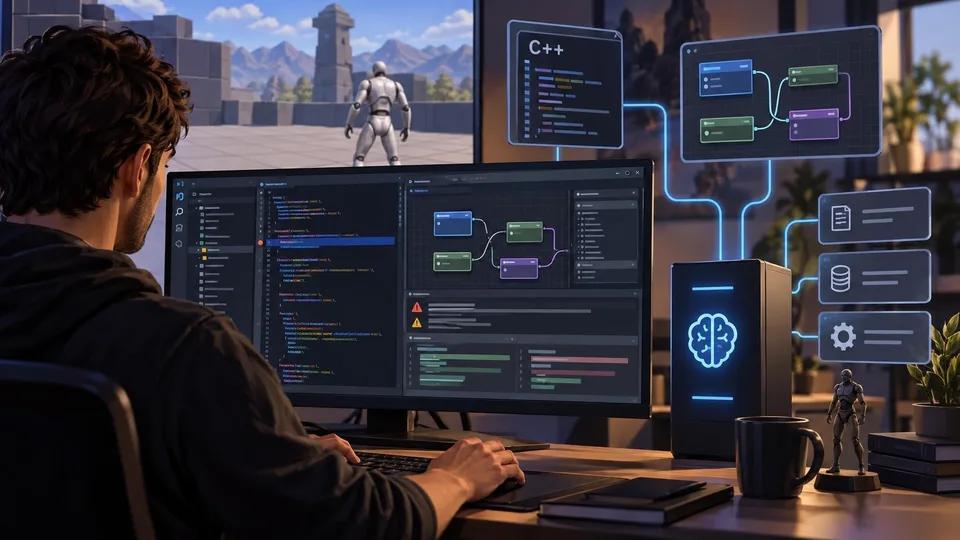
UStudio Brings Unreal Blueprint Inspection and Local MCP Tools to VS Code
The developer of UStudio has introduced a VS Code and Cursor extension with Unreal-specific C++ inspection, Blueprint viewing, live execution feedback, and a local MCP server. These capabilities are product claims that still require independent project testing.
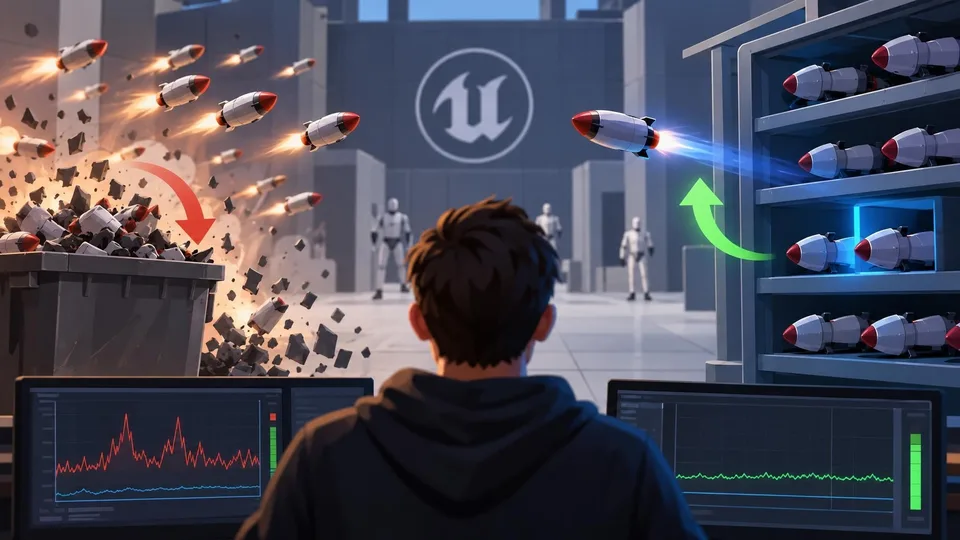
PoolKit Promotes Reusable Unreal Actors Instead of Repeated Spawning
An Unreal Engine community developer has described a Blueprint-oriented object-pooling workflow and promoted PoolKit for frequently reused actors. The approach can reduce repeated setup work, but the actual benefit depends on profiling and correct actor cleanup.
Comments