
StableGen 0.4.0 Adds Masked Texture Edits and Automatic Blender Rigging
An October 28 release of the Blender-based StableGen workflow adds masked local texture editing, automatic rigging, and new image architectures. Several integrated models carry non-commercial licenses that game creators must check before using them in products.
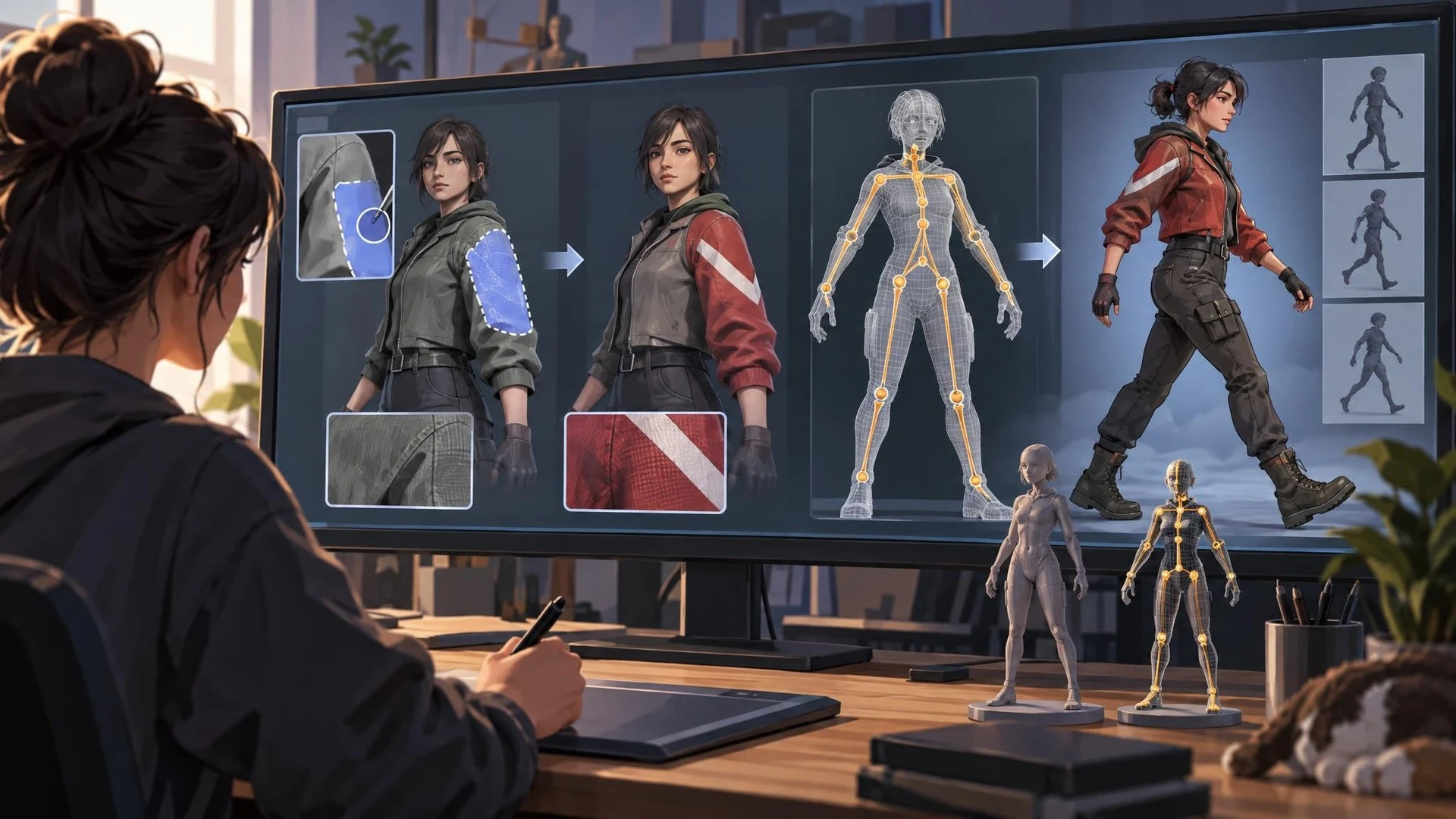
AI-assisted asset creation becomes much more useful when artists can change one detail without regenerating an entire object. StableGen 0.4.0, released on October 28, 2026, adds a masked editing workflow to its Blender integration, along with automatic rigging and several changes to texturing and material extraction. The project is developed independently, not by Blender or Epic Games.
The masked workflow lets an artist paint a selection on the model and describe what should change. StableGen then regenerates the selected texture region using the views that cover it, while attempting to preserve surrounding surfaces. The release notes say the edit remains a preview until accepted or discarded. On appropriate materials, the update can also modify physical-based-rendering maps for the selected region.
Rigging is another substantial addition. The release integrates SkinTokens through a ComfyUI-based workflow to create a skeleton and skin weights for a selected character mesh. Animation data from supported FBX or BVH sources can then be retargeted to the rig. This should be evaluated as a way to accelerate early character experimentation, rather than as a guarantee of game-ready deformation or perfect retargeting on arbitrary meshes.
The update also changes its user interface, introduces several image architectures, and expands material-map extraction. The documentation identifies important compatibility and licensing boundaries. Blender versions 4.2 through 4.5 and 5.1 or later are supported in the stated matrix, but Blender 5.0 is not. Qwen Image 2.1 is provided under a research license limited to non-commercial uses, while another experimental model uses a non-commercial Creative Commons license. Those restrictions matter particularly to studios planning to sell a game or distribute commercial assets.
An informative test would use a small original character, change only a jacket color or marking, inspect texture seams from several angles, and export a baked version for the target game engine. Next, create a rig and check a simple walk animation. Watch for skinning errors near shoulders and wrists, material mismatches, and the time spent correcting AI-generated details.
StableGen shows how image generation, 3D texturing and rigging are beginning to meet inside creative applications. Its practical value depends on repeatability, output rights and engine compatibility, not simply on the number of AI models included.
Rate this story
What did you think of this article?
Log in to rate this story, comment and like replies.
Log inNo comments yet. Be the first to share your thoughts.
More stories
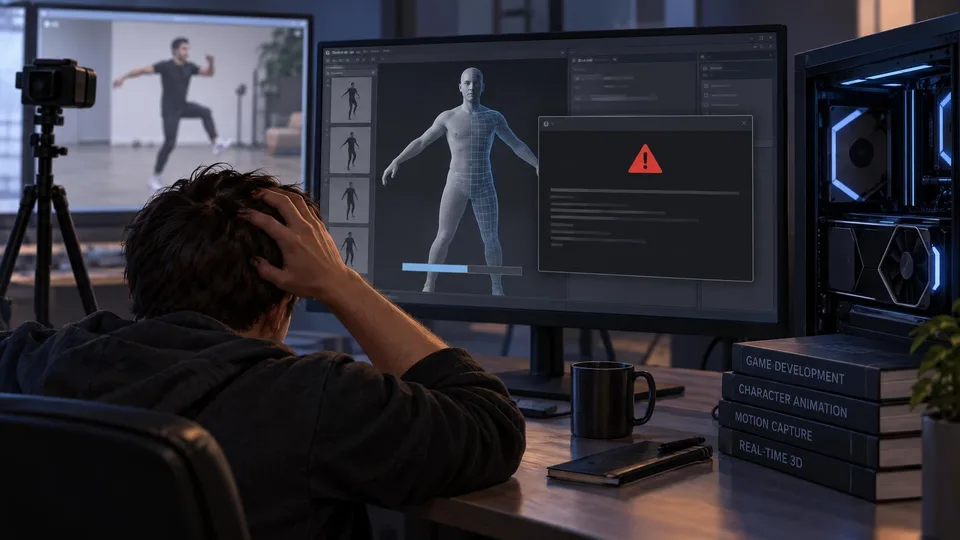
MetaHuman Markerless Motion Capture Crash Report Highlights DirectML Failure
An Unreal Engine 5.8 user reported repeatable editor crashes while processing markerless MetaHuman body motion capture on an RTX 4090 system. The report identifies a DirectML device error but does not establish a widespread MetaHuman defect.

DCC-MCP Unreal Adapter Offers Typed AI Tools for Blueprints and Game Tests
The actively maintained DCC-MCP Unreal repository describes an open-source bridge from coding agents to Unreal Editor operations, including assets, Blueprints and validation. November 1 repository activity is not evidence of a new official Epic feature release.

Construct 1.0 Turns Agent-Written Scenes into Named 3D Exports
The open-source Construct 1.0 release adds glTF and OBJ export from structured scenes, including named parts, animation and Blender integration. The author reports validation in Godot, while Unreal and Unity import quality still requires separate testing.
Comments