
Niagara Fire Tutorial Explores Blackbody Shading and Curl Noise
A newly published community lesson builds a stylized Unreal Engine fire effect from material nodes and Niagara particles. It explains familiar techniques rather than introducing new UE5.8 functionality.
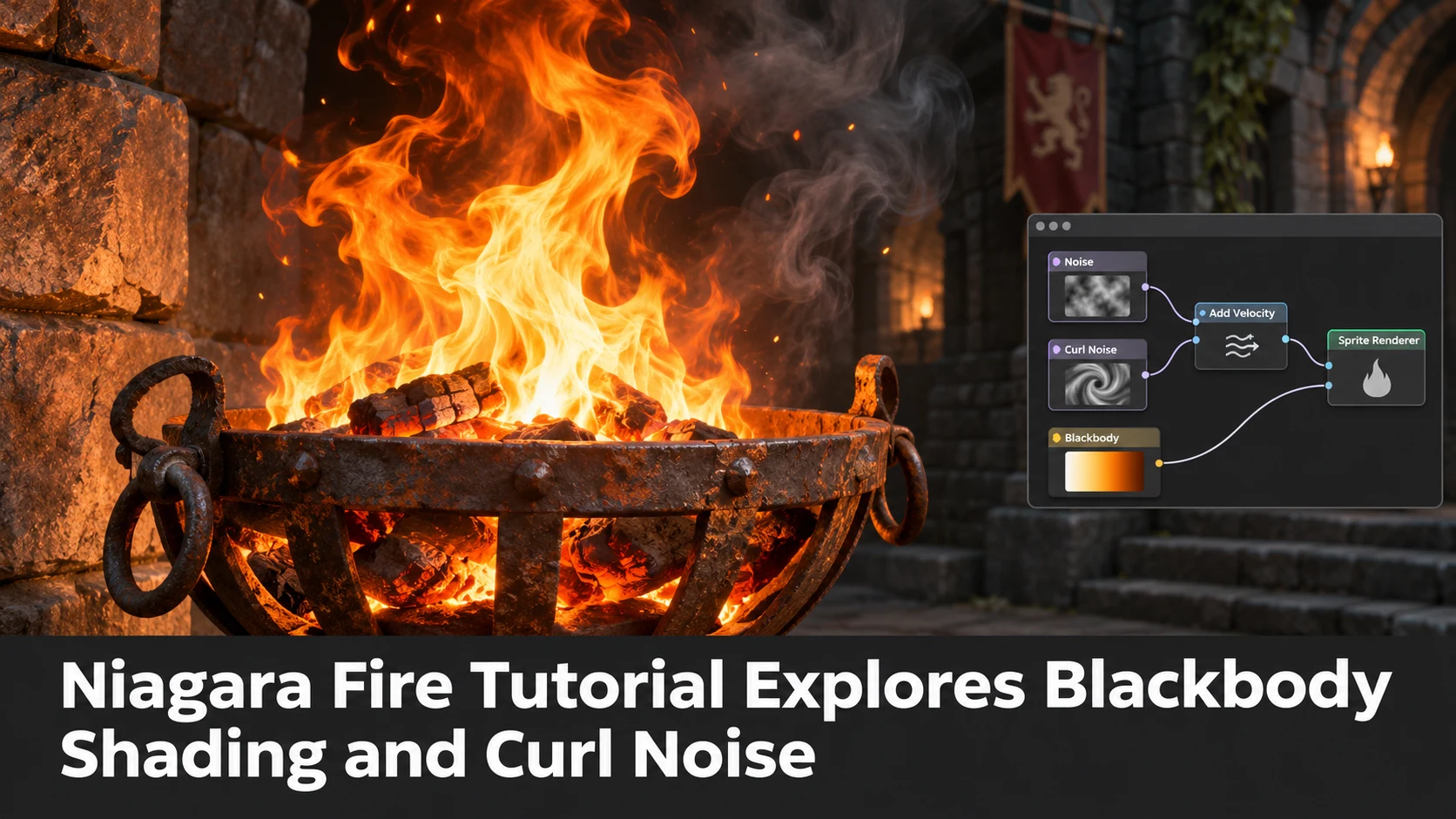
Unreal Engine creator Ashif Ali published a stylized fire tutorial in the Epic Developer Community on November 10, 2026. The lesson focuses on building a visual effect with Niagara and custom materials. It is a community training resource, not an Unreal Engine patch or a newly introduced Niagara feature.
The tutorial describes creating a fire material with Blackbody-based colour work, using dynamic parameters for changing appearance and dissolve transitions, and adding rotating flame elements, curl-noise motion and ember particles. Those components are useful to study because fire is not a single particle system with one universally correct setting. A readable effect usually combines changing silhouettes, internal motion, brightness, secondary particles and a suitable relationship with the surrounding scene.
Blackbody colour is a familiar technique for connecting hotter and cooler visual regions. In a stylized effect, the artist can exaggerate the palette while retaining a coherent sense of energy. Curl noise can vary particle movement without making every spark travel in a straight line. Dynamic parameters make it possible to expose selected values for later adjustments through Blueprint or gameplay triggers.
For a small game, one proposed exercise is to create three versions of the same flame: a low-cost ambient candle, a medium-sized brazier and a large magical burst. Keep the material architecture related but change emitter counts, particle sizes, overdraw and light contribution. Then profile GPU cost and verify that the effect remains legible at realistic gameplay distances.
The lesson's existence does not establish specific performance figures or production stability. Transparent particles can consume substantial fill rate, while attached dynamic lights may have a separate rendering cost. A beautiful close-up in a tutorial may look different from an actual level containing multiple simultaneous effects, fog and post-processing.
The community entry lists Unreal Engine 5.7 and 5.8. Developers working in another version should verify node names, render settings and content compatibility before adopting the workflow. The strongest takeaway is a reusable VFX construction method: build the material, test motion independently, add secondary effects and measure the complete result in context.
For teams creating highly stylized games, this makes the lesson useful even without a new engine release. For teams tracking product changes, it should remain labeled as a tutorial so readers do not confuse artistic technique with new functionality from Epic Games.
Rate this story
What did you think of this article?
Log in to rate this story, comment and like replies.
Log inNo comments yet. Be the first to share your thoughts.
More stories
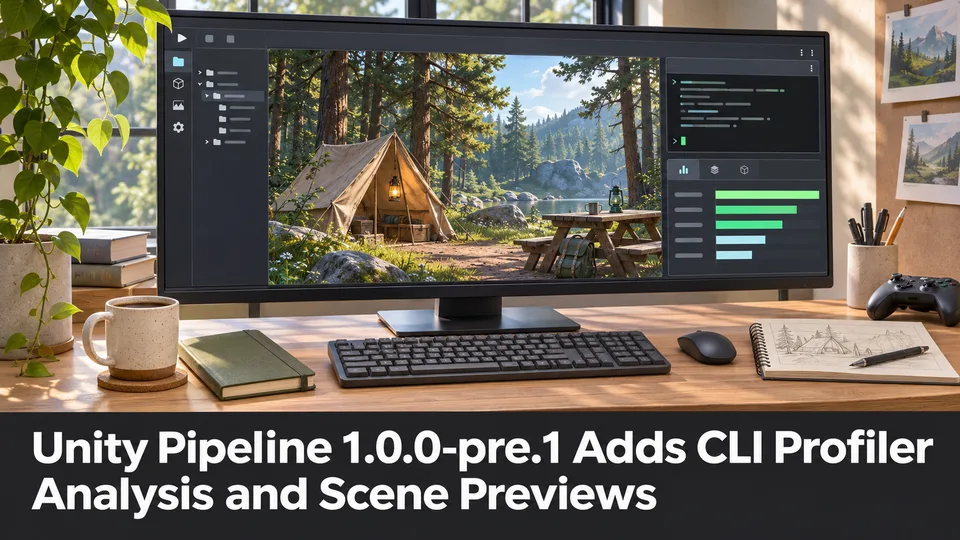
Unity Pipeline 1.0.0-pre.1 Adds CLI Profiler Analysis and Scene Previews
Unity promoted a prerelease of its Pipeline package with saved Profiler analysis, scene-preview archives and clearer command effects. This is an official pre-1.0 tool update with compatibility changes.
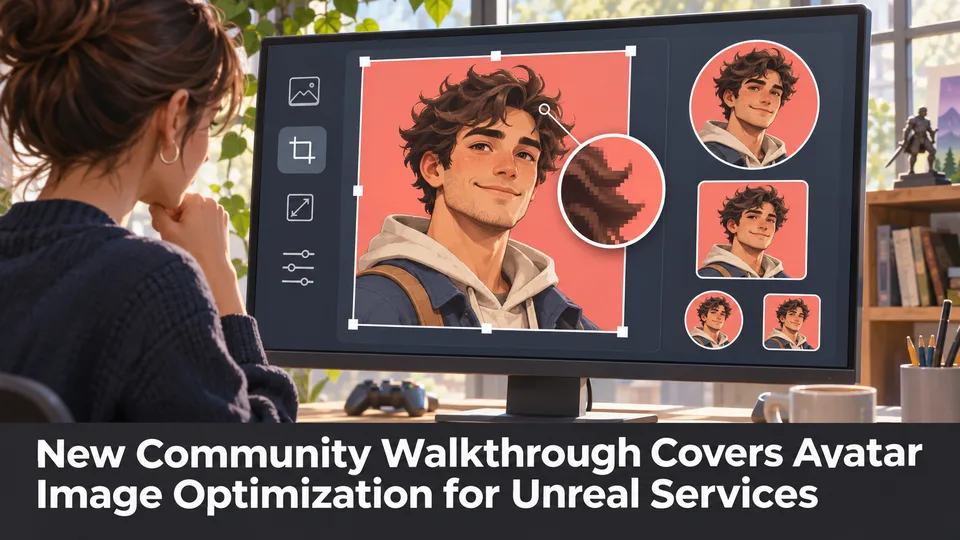
New Community Walkthrough Covers Avatar Image Optimization for Unreal Services
A recent Unreal community tutorial demonstrates resampling avatar images, converting textures to WebP and moving files through Blueprint-backed cloud workflows. It is a third-party tutorial, not an Epic engine feature.
The 2026 Epic AI MegaJam Begins With Unreal and UEFN Tracks
Epic’s four-day AI MegaJam begins November 12 after a November 11 kickoff. Small teams can build playable projects in Unreal Engine or UEFN, with distinct submission tracks and optional AI assistance.
Comments