
Neon Giant Explains How Unreal Engine Systems Support a Dense Interactive City
Epic’s November 3 development interview examines Neon Giant’s approach to a densely interactive world, citing Nanite, Lumen, MetaHuman, Mass and Niagara. The useful story is about combining established UE5 systems, not a new engine feature.
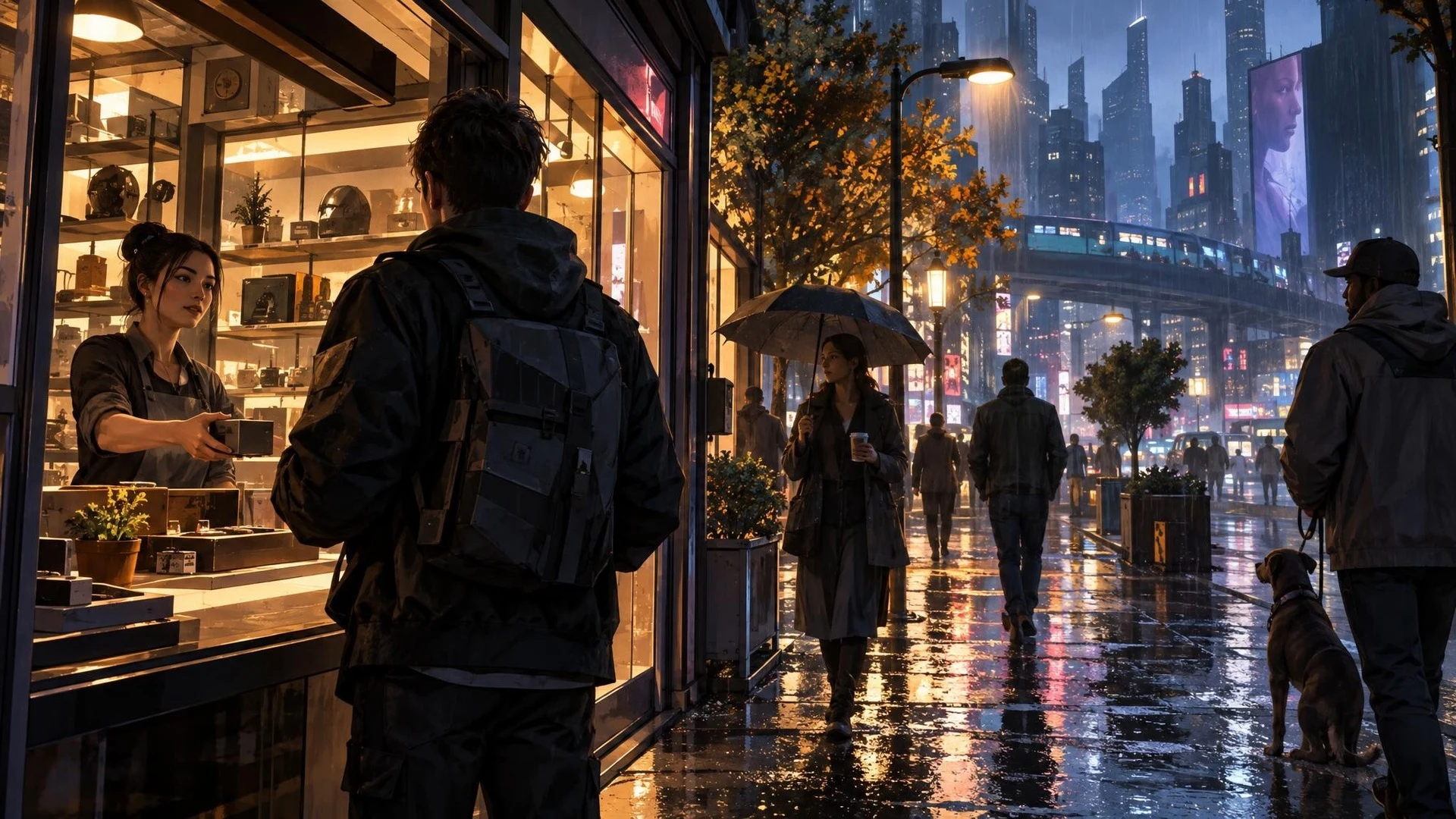
A large game world does not always need to be a sprawling one. An Epic Games developer interview published on November 3, 2026 explores a different approach: making a smaller urban environment feel convincing through density, interactivity and consistent systems. The discussion concerns Neon Giant's in-development immersive shooter NO LAW, but its production ideas are applicable beyond that particular game.
The studio's fictional city of Port Desire is designed around objects and people reacting to player choices. Epic describes stores containing items that can be picked up, situations in which the player may pay or attempt to leave without paying, and non-player characters whose behavior relates to weather and time of day. These are presented as design examples from the developer interview, not independently tested gameplay observations.
Epic says the team combines several existing Unreal Engine 5 technologies. Nanite helps manage detailed geometry, Lumen provides dynamic lighting, MetaHuman supports character work, the Mass framework can contribute to systems involving many entities, and Niagara handles visual effects. No single feature automatically generates a believable city. The engineering challenge is connecting the systems so they support meaningful choices rather than creating disconnected spectacles.
For an independent developer, the most transferable lesson is to define a small set of reactive rules and make them visible. A street containing only a handful of shops may feel more alive if characters respond reliably to closing times, rain or suspicious behavior. Meanwhile, a much larger environment can feel empty if interaction is superficial. Visual fidelity and simulated behavior need to reinforce each other.
A useful prototype could contain one street, three non-player characters and two changing conditions, such as daylight and rainfall. Give each character a simple schedule, define one interaction with an object, and measure whether the environment still runs smoothly when its effects and animation systems are active. This would be an original test inspired by the case study, not a recreation of the studio's proprietary systems.
There are limitations to the published material. Epic's article does not provide complete performance benchmarks, source-code samples or enough implementation detail to reproduce Neon Giant's production architecture. The technology names identify the broad toolset; they do not prove exactly how each system was configured. The interview is best read as a case study in production direction and system composition.
For Unreal developers, the timely takeaway is that world density can be a technical and design strategy. Before expanding a map, consider whether a small area can support believable routines, readable interactions and predictable performance.
Rate this story
What did you think of this article?
Log in to rate this story, comment and like replies.
Log inNo comments yet. Be the first to share your thoughts.
More stories
Unreal Engine 5.9 Preview Is Planned for Next Week, With Web Targeting on the Agenda
Epic has confirmed plans for an Unreal Engine 5.9 Preview in the week following November 3. Its initial outline mentions AI workflows, web targeting, rendering and animation, but detailed release notes and general availability are still pending.
Epic Publishes UEFN MCP and Verse Insights Profiling Walkthroughs
Epic has released two educational videos for diagnosing slow Fortnite islands using UEFN MCP and Verse Insights. They explain agent-assisted profiling and server-side Verse costs; they are not new features for standard Unreal Engine games.
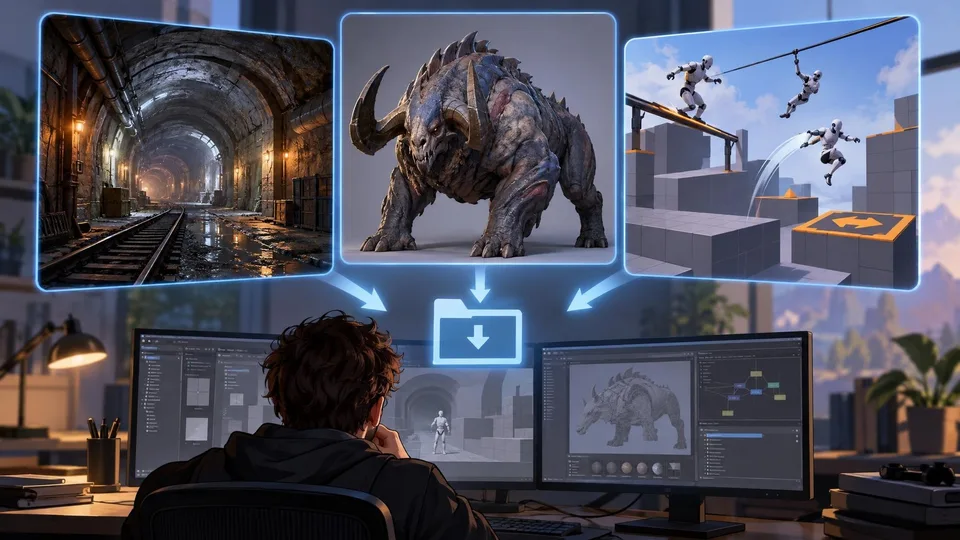
Fab Opens a New Two-Week Window for Three Free Creator Asset Packs
A new official Fab promotion runs from November 3 through November 17 and includes an underground tunnel, a science-fiction creature and a 3D platformer mechanics bundle. Compatibility and licensing still need to be checked per listing.
Comments