
Epic Publishes UEFN MCP and Verse Insights Profiling Walkthroughs
Epic has released two educational videos for diagnosing slow Fortnite islands using UEFN MCP and Verse Insights. They explain agent-assisted profiling and server-side Verse costs; they are not new features for standard Unreal Engine games.

Performance problems in a live multiplayer environment can be difficult to diagnose because the visible symptom does not always point to its underlying cause. An official Epic Developer Community announcement dated November 1, 2026 introduces two videos intended to help Unreal Editor for Fortnite creators investigate those problems using existing profiling tools.
The first walkthrough focuses on UEFN MCP, an integration that connects an AI agent to the Fortnite editor through the Model Context Protocol. Epic describes an approach in which a creator explains a performance problem in ordinary language and the connected agent selects relevant profiling tools. The purpose is to make diagnosis easier, not to guarantee that a model will automatically understand or repair every frame-rate problem.
The second video introduces Verse Insights. Verse gameplay code runs on the server, so expensive logic can cause lag even when the client graphics workload looks acceptable. The tutorial shows how to locate a costly function and discusses a common type of correction. This distinction between server logic and client rendering is fundamental when analyzing networked experiences.
Both resources are tutorials. Their publication does not establish a new Unreal Engine core release, a newly shipped runtime feature, or general MCP support across every conventional UE5 project. UEFN and the regular Unreal Engine editor share technology but have separate workflows, available services and deployment models. An instruction written for a Fortnite island may not apply to a standalone PC game.
An appropriate exercise for a Fortnite creator would start with a small test island exhibiting a repeatable slowdown. Record the player's action, the time of the slowdown and the relevant conditions. Use the profiling walkthrough to collect data, then change one suspected cause and repeat the same test. Comparing the before-and-after evidence is more meaningful than trusting an agent's explanation by itself.
For developers working on Unreal Engine games outside Fortnite, the transferable idea is methodological rather than tool compatibility. Profiling should start from a reproducible symptom, separate game-thread and rendering work, and apply one change at a time. AI can assist with navigating tools, but profiling samples and packaged-build behavior remain the evidence.
Epic's videos also underline a practical limitation of coding assistants: they need permission to inspect the right diagnostic data, and their proposed fixes require human verification. When networked systems are involved, an apparent improvement in one test should be repeated under comparable load.
This is useful new training material for UEFN creators, with broader lessons for anyone building performance-sensitive game logic. It should be described accurately as education about UEFN MCP and Verse Insights, not as a new feature of the conventional Unreal Editor.
Rate this story
What did you think of this article?
Log in to rate this story, comment and like replies.
Log inNo comments yet. Be the first to share your thoughts.
More stories
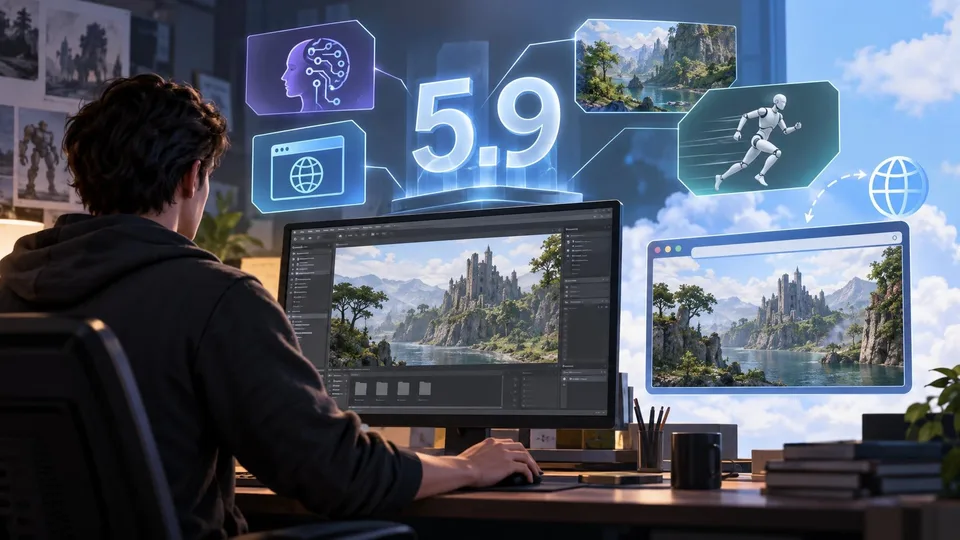
Unreal Engine 5.9 Preview Is Planned for Next Week, With Web Targeting on the Agenda
Epic has confirmed plans for an Unreal Engine 5.9 Preview in the week following November 3. Its initial outline mentions AI workflows, web targeting, rendering and animation, but detailed release notes and general availability are still pending.
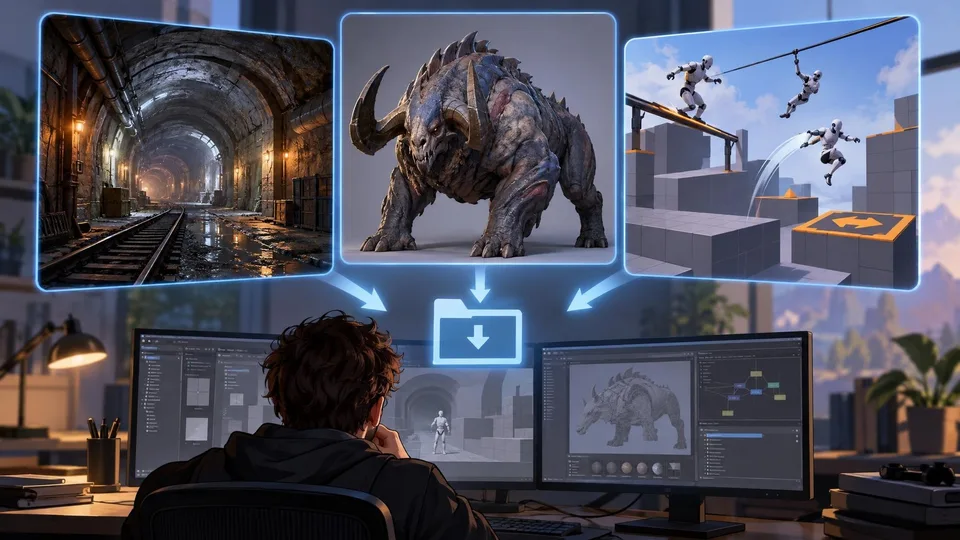
Fab Opens a New Two-Week Window for Three Free Creator Asset Packs
A new official Fab promotion runs from November 3 through November 17 and includes an underground tunnel, a science-fiction creature and a 3D platformer mechanics bundle. Compatibility and licensing still need to be checked per listing.
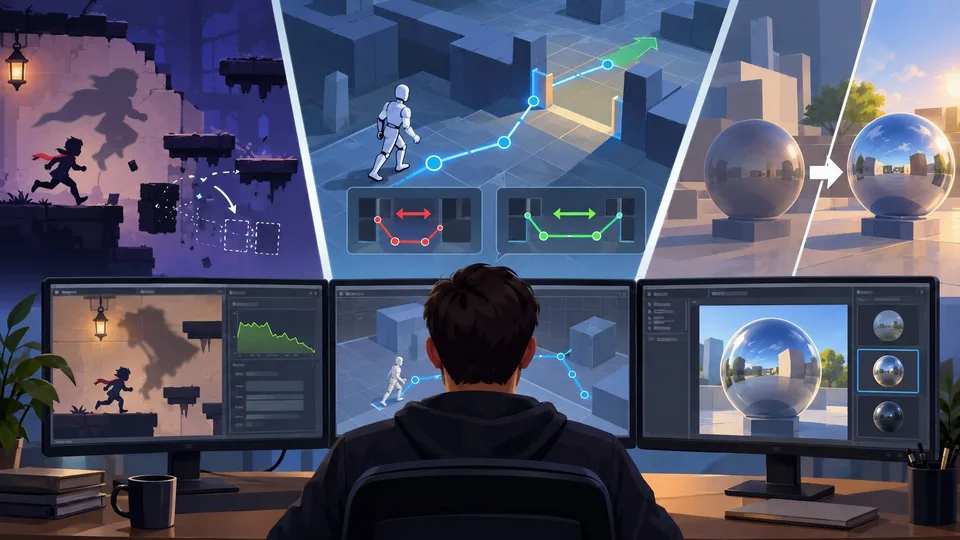
Unity 6000.6.8f1 Addresses 2D Shadow Memory, Navigation and Reflection Probe Issues
Unity released 6000.6.8f1 on November 3 with fixes for leaking ShadowCaster2D meshes, flickering 2D shadows and NavMesh portal data. It also changes how certain reflection probes are baked, requiring migration checks.
Comments