
GitHub Copilot Arrives in JetBrains Air for Parallel Coding Agent Workflows
GitHub added Copilot support to JetBrains Air on November 3 through the Agent Client Protocol. Supported users can coordinate local and cloud coding tasks, with practical implications for Rider-based Unity and Unreal development.
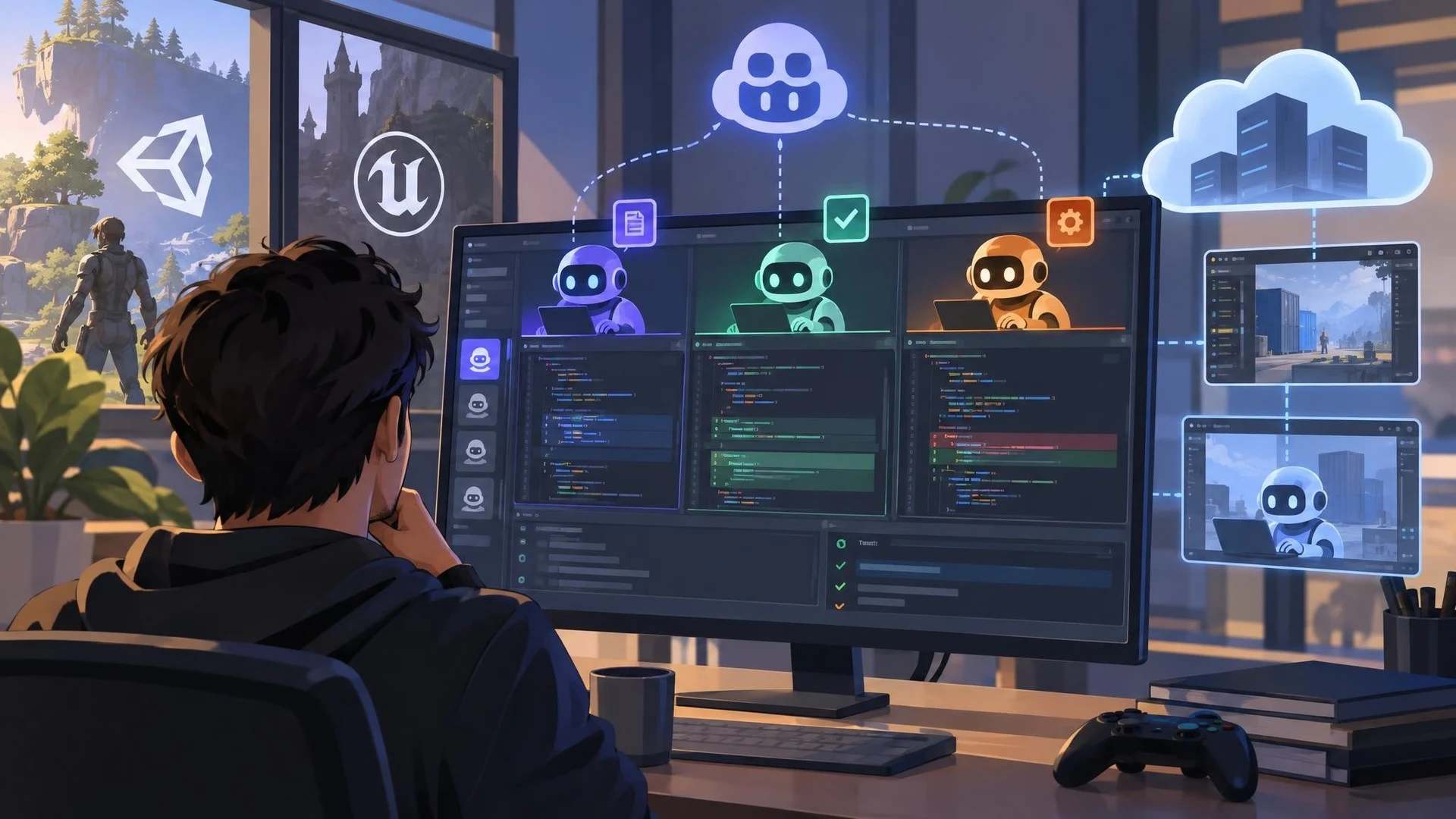
GitHub has expanded the places where developers can use Copilot as a coding agent. An announcement dated November 3, 2026 confirms that GitHub Copilot is now available inside JetBrains Air, an environment built around delegating programming tasks to agents and reviewing their changes.
The integration uses the Agent Client Protocol, or ACP. According to GitHub, a developer can choose Copilot from Air's agent picker, run coding tasks, guide their execution and review results in the project context. Multiple sessions can be tracked in parallel, and certain cloud tasks can run in isolated environments through Air Teams. These capabilities depend on the available JetBrains and GitHub plan features rather than being a free universal service.
For game development, the relevance is strongest in code-oriented workflows. Many Unity teams use JetBrains Rider to navigate C# projects, while Unreal Engine developers may use it for C++ analysis. An agent integrated with the surrounding IDE can help inspect a group of files or propose tests, provided the repository and required tooling are accessible. The announcement does not establish that Copilot can directly operate the Unreal or Unity editor's graphical scene tools through this integration.
Parallel sessions can be useful when tasks are genuinely independent. For example, one agent might review input handling while another checks a unit-test suite. Yet two agents editing the same gameplay system can produce conflicting changes. Branch isolation, narrow task descriptions and a merge review are still necessary. The number of agents running simultaneously is not a measure of completed work.
GitHub also makes a distinction between local and cloud execution. A task running in an isolated cloud environment may not have the exact Unity Editor version, Unreal Engine installation, asset library or platform SDKs present on a developer's workstation. Successful source analysis does not imply that a full game build will pass. Teams should verify which commands can actually run and preserve logs from any automated build step.
A practical first experiment would use a small gameplay repository and two bounded tasks: inspect an inventory component for a logic issue, and propose a focused unit test for an unrelated helper. Review each resulting patch separately and compile or test against the project's own environment. Record whether parallel work saved review time instead of relying on the novelty of the interface.
GitHub says the integration uses a user's Copilot subscription for relevant tasks. The precise cost and feature availability should be checked against the account's plan and the JetBrains environment being used.
The announcement represents an agent-workflow integration, not an Unreal Engine or Unity release. Its value lies in making code tasks easier to delegate and supervise within a toolchain developers may already use.
Rate this story
What did you think of this article?
Log in to rate this story, comment and like replies.
Log inNo comments yet. Be the first to share your thoughts.
More stories

Unreal Engine 5.9 Preview Is Planned for Next Week, With Web Targeting on the Agenda
Epic has confirmed plans for an Unreal Engine 5.9 Preview in the week following November 3. Its initial outline mentions AI workflows, web targeting, rendering and animation, but detailed release notes and general availability are still pending.

Unity 6000.6.8f1 Addresses 2D Shadow Memory, Navigation and Reflection Probe Issues
Unity released 6000.6.8f1 on November 3 with fixes for leaking ShadowCaster2D meshes, flickering 2D shadows and NavMesh portal data. It also changes how certain reflection probes are baked, requiring migration checks.
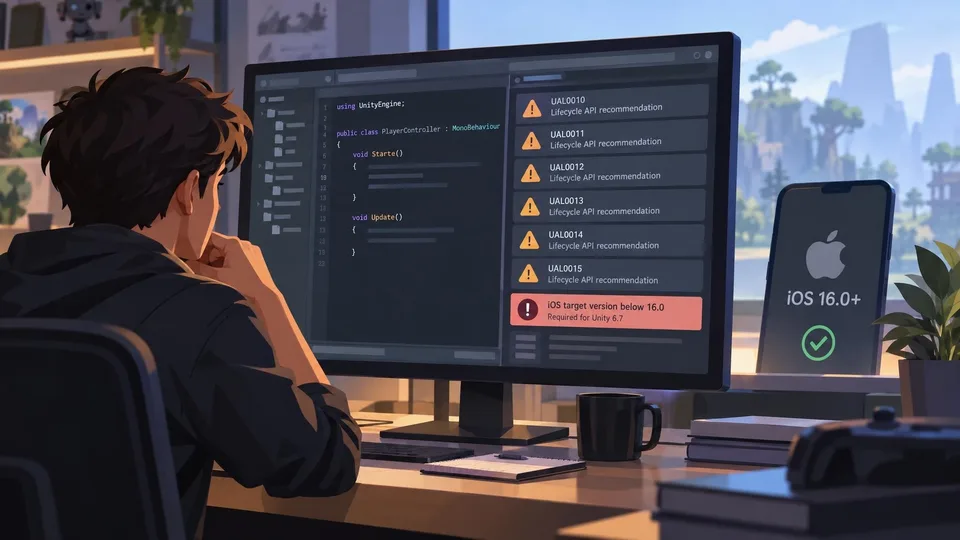
Unity Project Auditor Rules 3.2.0 Expands C# Lifecycle and iOS Compatibility Checks
Unity’s Project Auditor Rules package reached 3.2.0 on November 2, adding analyzer recommendations for lifecycle APIs and minimum iOS targeting in Unity 6.7. These are static-analysis rules, not changes to game runtime behavior.
Comments