
COZY Stylized Weather 4 Reaches Version 4.0.2 on Unity Asset Store
The COZY weather package now lists version 4.0.2 with a November 7 update date. It remains a third-party asset, and developers should confirm exact compatibility and the release changes before upgrading a project.
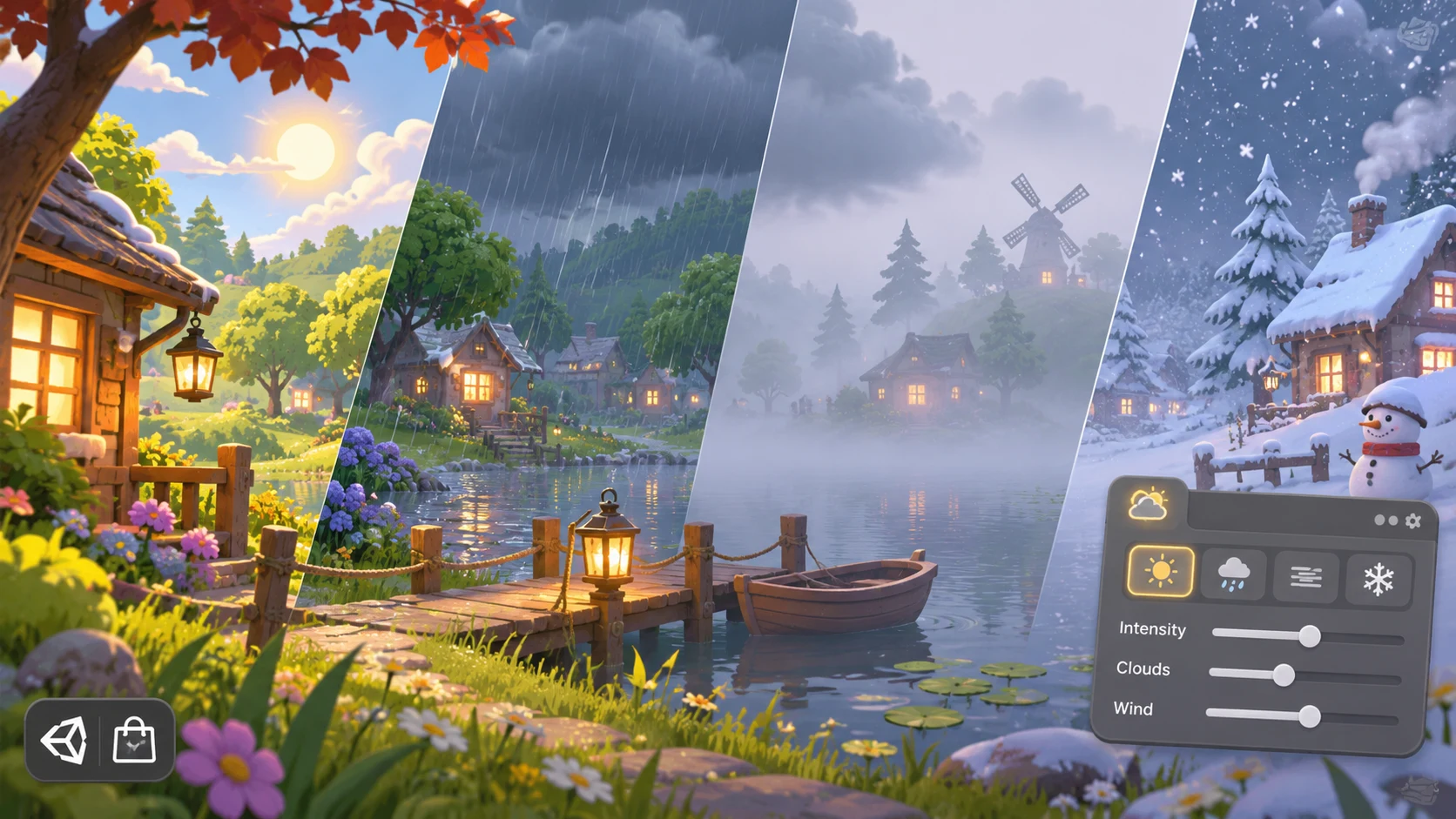
The Unity Asset Store listing for COZY: Stylized Weather 4 now shows version 4.0.2, with November 7, 2026, as its latest release date. The asset is published by Distant Lands and is intended for projects that need a stylized sky and weather presentation. Its marketplace keywords cover rain, fog, lighting, snow, day and night, clouds, and atmosphere.
The listing establishes that a new package revision exists. It does not, by itself, provide a verified list of code fixes or visual changes introduced specifically in 4.0.2. Developers should therefore avoid treating the version number as proof of a particular improvement, such as better performance or a newly supported platform. Those claims would require a changelog, documentation, or a direct test.
Third-party weather packages often touch several systems that are already important to a game's rendering pipeline: sky rendering, lights, volumetric effects, materials, and timing. In an existing project, a package upgrade can have consequences beyond swapping a skybox. A scripted weather transition might affect scene readability, color grading, terrain materials, or how enemies are visible at night. The right question is not merely whether the package opens in the editor, but whether the entire visual sequence still behaves as expected.
The store's compatibility table is also more useful than the broad product name when selecting a target configuration. A developer should verify that the exact Unity editor version and rendering pipeline in use are supported. Render-pipeline support should not be inferred from the fact that an asset is listed on the Unity Asset Store. A package designed for URP, for example, may require a different integration strategy from an HDRP project.
A practical test would use a duplicate scene containing a directional light, terrain, vegetation and one reflective object. Record daytime and nighttime screenshots, then trigger rain, fog and a clear-sky transition at fixed camera positions. Measure GPU time and memory alongside the screenshots, and check that scripts continue to receive the expected state changes. Repeat on a packaged build if the weather is part of gameplay rather than a purely editorial preview.
At present, the verified news is the asset's dated 4.0.2 listing, not an independently measured improvement. Teams deciding whether to upgrade should consult the publisher's detailed notes and perform the same regression checks they would apply to any rendering dependency.
Rate this story
What did you think of this article?
Log in to rate this story, comment and like replies.
Log inNo comments yet. Be the first to share your thoughts.
More stories

ElevenLabs Releases a Unity SDK for Live Voice Conversations With NPCs
ElevenLabs has published a Unity SDK connecting scene characters to conversational voice agents. The developer documentation distinguishes supported desktop and WebGL targets from beta mobile and XR integration.
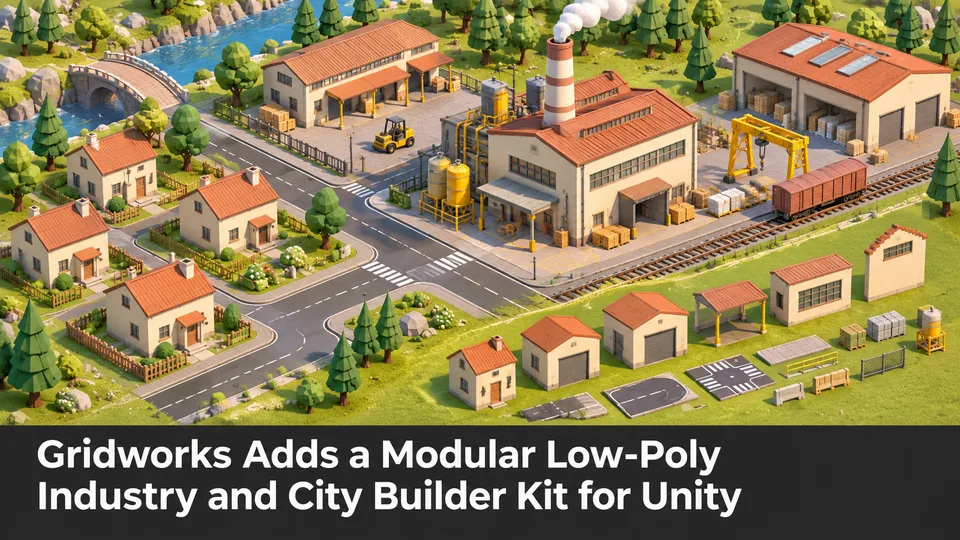
Gridworks Adds a Modular Low-Poly Industry and City Builder Kit for Unity
Gridworks has appeared on Unity Asset Store as a modular industrial environment kit with city-builder-oriented assets. The listing specifies supported URP and HDRP configurations but does not constitute an engine update.
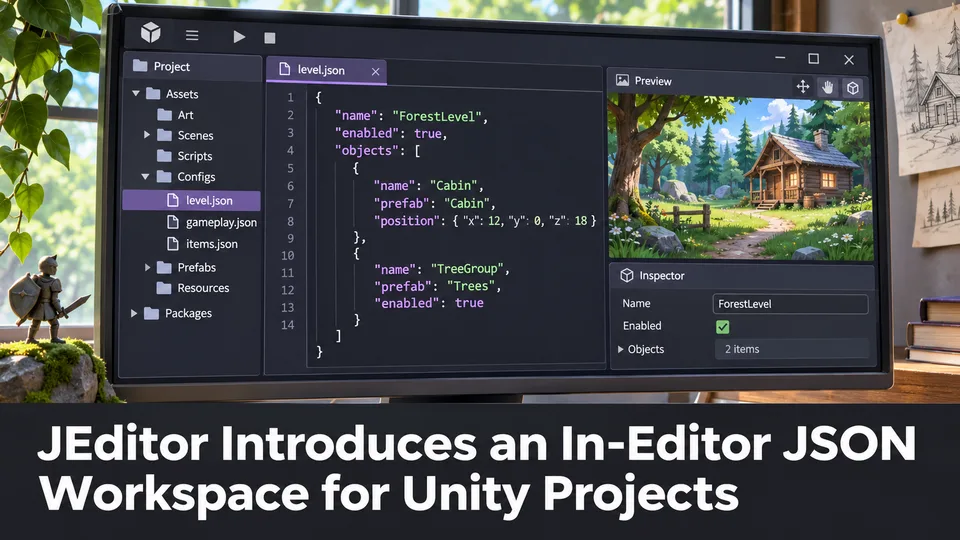
JEditor Introduces an In-Editor JSON Workspace for Unity Projects
JEditor 1.0.0 has been listed on Unity Asset Store as a JSON-focused editor utility. Its stated focus on inspection, comparison and validation makes it relevant to configuration-heavy Unity projects.
Comments