
Codex CLI 0.166.0 Improves Queued Sessions and Network Diagnosis
OpenAI released Codex CLI 0.166.0 with queued-session resume, focused network diagnostics and clearer safety messages. The changes can help developers manage long-running Unreal or Unity coding tasks, though they do not provide a built-in game-engine integration.
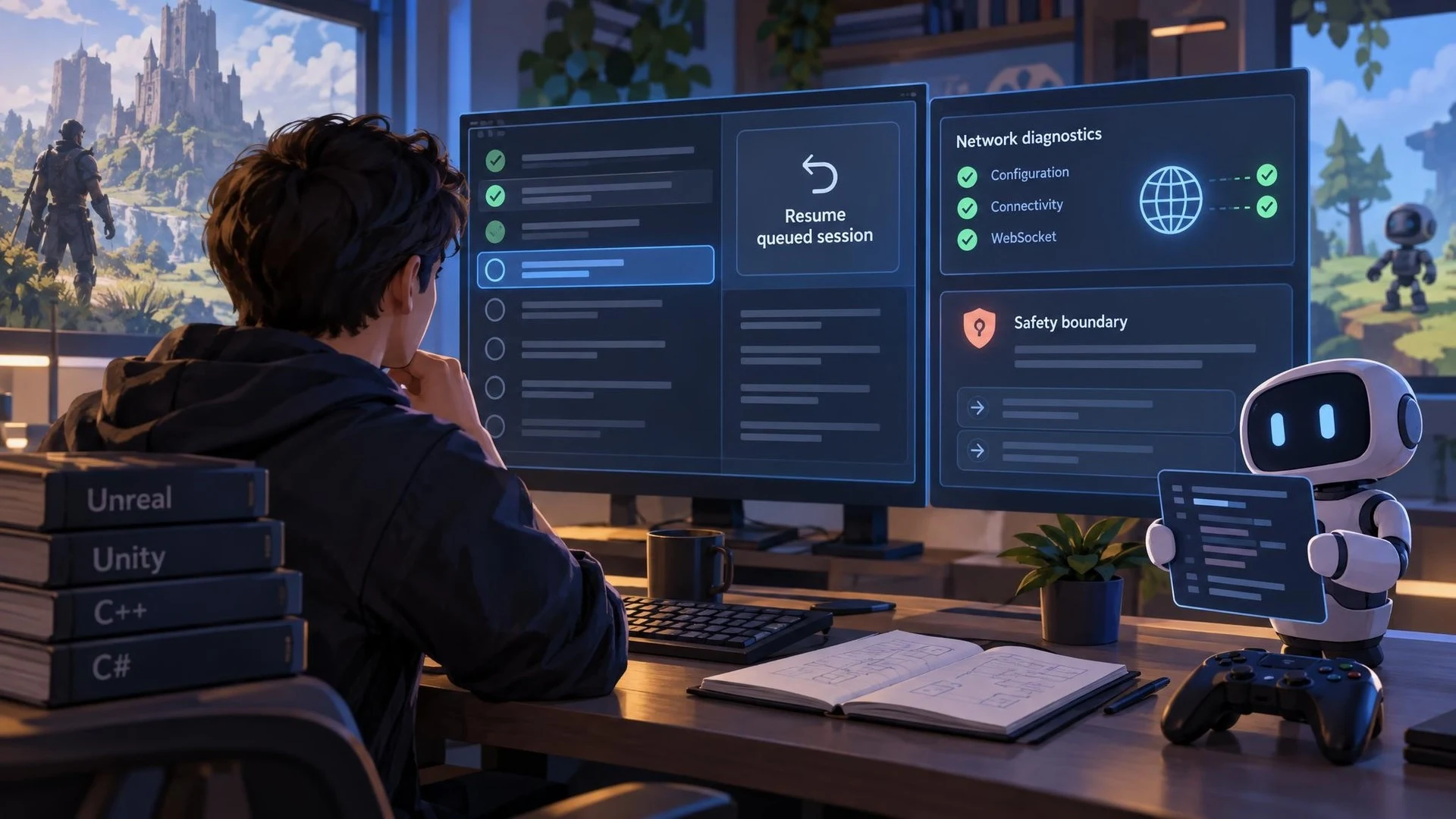
Automating a game project often requires an assistant to continue work across several instructions, tool calls, and checks. OpenAI's Codex CLI 0.166.0, published on October 29, 2026, includes changes aimed at improving that everyday experience. The release adds new controls for queued sessions, network troubleshooting, and explanations when a request is blocked by a safety boundary.
One addition is a resume option for the queue command. The release notes describe a way to continue unloaded threads after a message has been queued. That can be useful when a developer needs a session to retain context around an extended task, although the actual project files and environment still need to be available when work resumes.
The update also introduces a network-only mode for Codex diagnostics. Developers can use the focused check to investigate configuration, connectivity, and WebSocket behavior. That can help distinguish a service connection issue from an error in a C++ build or Unity script. A failed agent tool call is not always a programming problem, and narrowing its cause can save time.
Other changes involve the interactive interface. OpenAI has added keyboard-driven transcript selection and improved Markdown rendering in certain exchanges. The tool also displays clearer information about safety blocks and possible safer follow-up actions. The release includes a fix intended to preserve acknowledged approval and permission settings when resuming or forking threads.
These details matter for AI-assisted game development because source repositories can be large and tool permissions are consequential. An agent reviewing Unreal modules might need to inspect headers, change a build dependency, and run a compiler. A Unity workflow could involve modifying C# scripts and running editor tests. In both cases, developers need to know whether the assistant has completed each step, whether a tool was denied, and what was actually changed.
The bundled model catalog also gains an additional model entry, but catalog presence is not a guarantee that every account or deployment has access. Availability and pricing depend on the relevant service and configuration, so developers should verify them rather than infer entitlement from the CLI version.
A sensible test would use a small disposable repository. Queue a limited code-inspection task, resume the session using the documented mechanism, and confirm that it accurately reports its previous context and the status of any file edits. Run the network diagnostic separately and record whether it identifies a deliberate connection issue.
Codex 0.166.0 is a coding-assistant maintenance and usability release, not a new Unreal Engine or Unity feature. Its relevance lies in making automated software work more observable and manageable while leaving compilation, testing, and permissions under the developer's control.
Rate this story
What did you think of this article?
Log in to rate this story, comment and like replies.
Log inNo comments yet. Be the first to share your thoughts.
More stories

Community Unreal Engine 5.8 WebGPU Fork Shows Browser-to-Native Multiplayer
A community developer has demonstrated a modified Unreal Engine 5.8 build running through WebGPU in a browser alongside a native macOS multiplayer client. The project remains experimental, and its author explicitly says it is not yet production-ready.
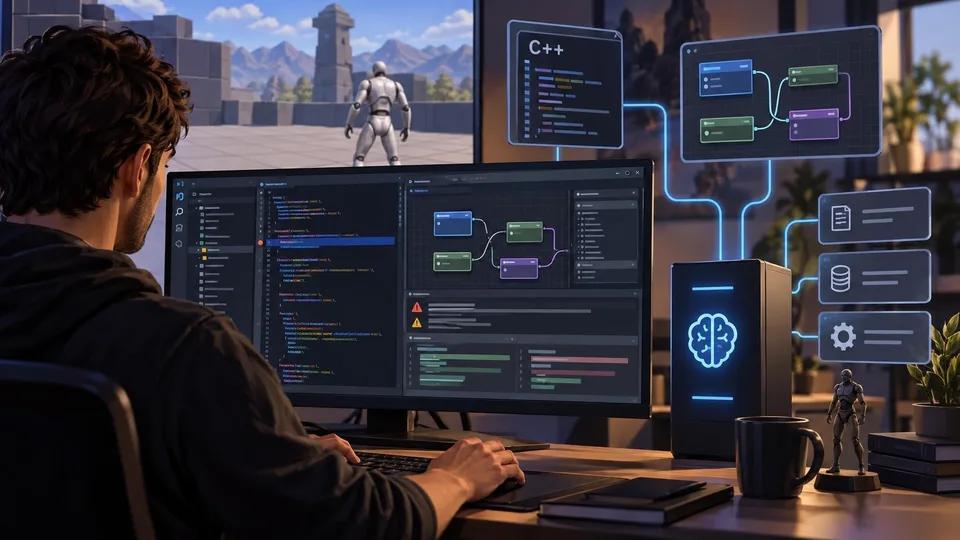
UStudio Brings Unreal Blueprint Inspection and Local MCP Tools to VS Code
The developer of UStudio has introduced a VS Code and Cursor extension with Unreal-specific C++ inspection, Blueprint viewing, live execution feedback, and a local MCP server. These capabilities are product claims that still require independent project testing.
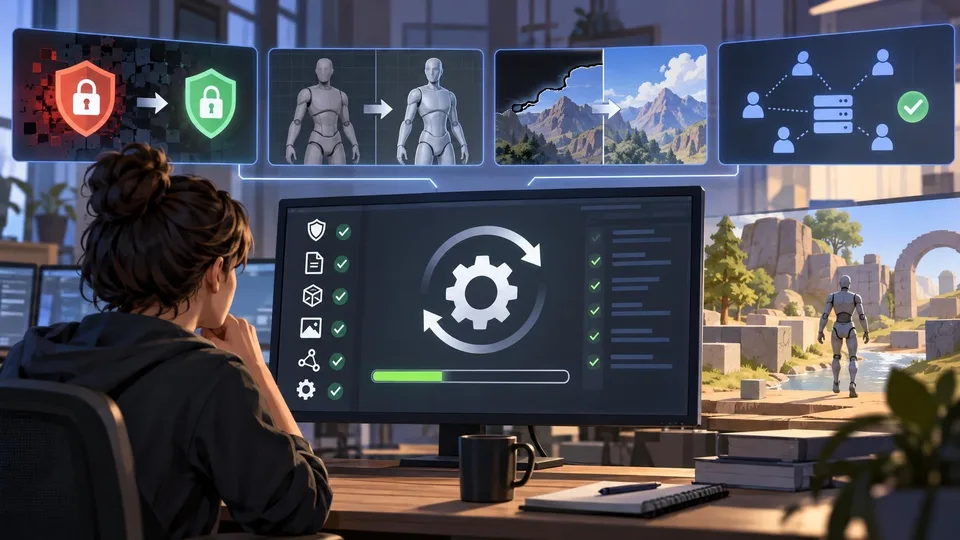
Unity 6.3 LTS Patch 6000.3.27f2 Fixes Security and Import Problems
Unity published editor build 6000.3.27f2 on October 30, addressing a Brotli decoder vulnerability alongside model-import, rendering and stability issues. Studios should assess the security fixes while testing the patch against their own projects before broad deployment.
Comments