
Unity Cloud Code 3.0 Adds Stateful Modules to Its Official Package
Unity has announced Cloud Code 3.0 as an official package beginning with Unity 6.7. Player- and session-scoped state plus local testing aim to simplify multiplayer and metagame backend logic.
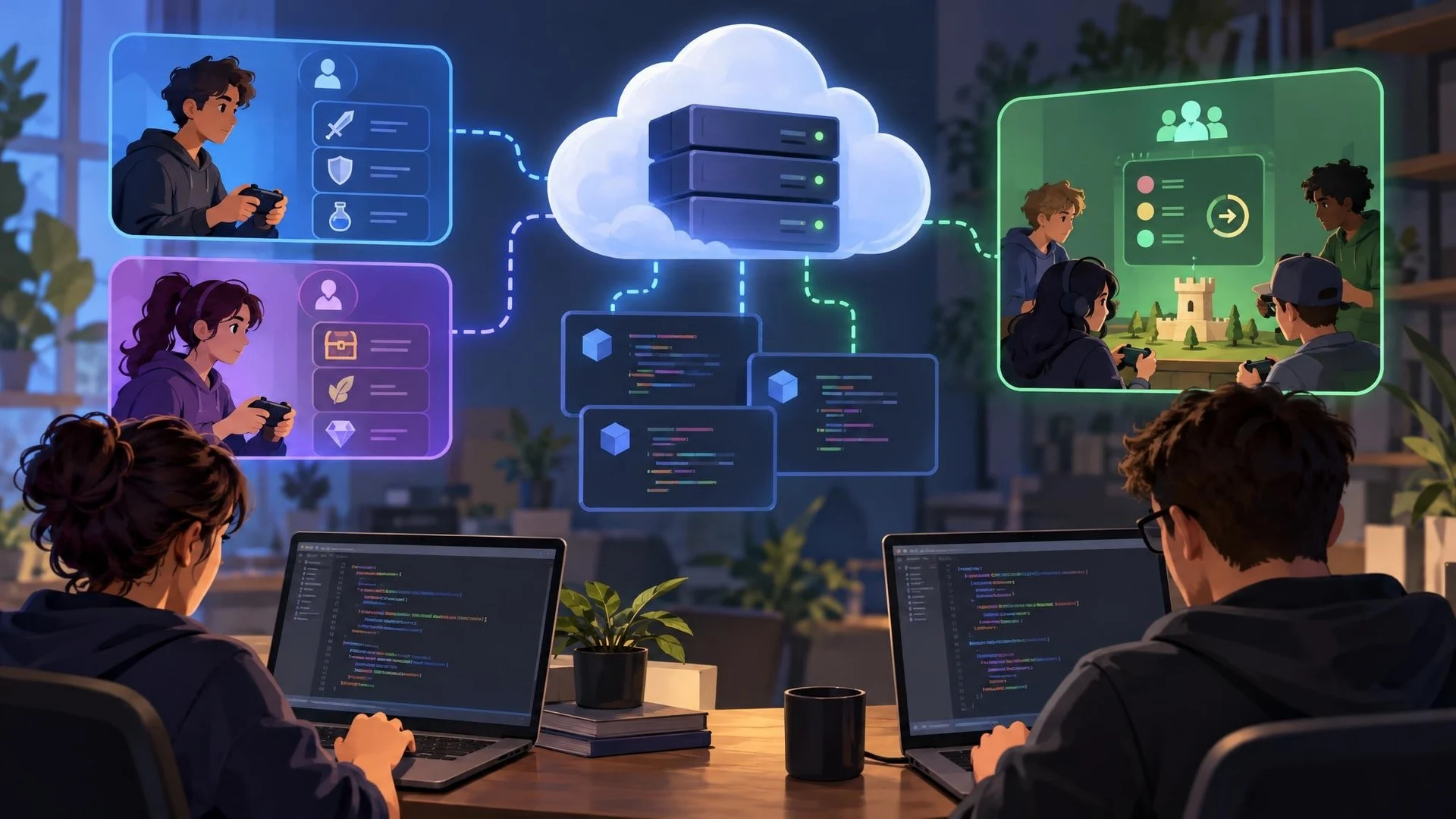
Unity announced Cloud Code 3.0 on November 4, moving capabilities that had previously been discussed experimentally into an official package beginning with Unity 6.7. The update focuses on the code that runs around a game rather than on rendering or physics. In particular, it introduces a more direct way for developers to write stateful modules, test their behavior locally and connect them to multiplayer or metagame workflows.
Traditional stateless cloud functions require persistent information to be stored elsewhere between calls. That separation can work well, but even a small feature may need extra plumbing to load, update and save state reliably. Unity's new module approach allows public fields and properties to be retained under a defined scope. The official announcement describes a player scope, suitable for concepts such as inventory or progression, and a multiplayer-session scope, which can represent shared state for participants in a session.
The distinction between scopes is essential. An item collected by one player should not accidentally appear in another player's private inventory. Conversely, a turn-based room might need a shared record of whose turn comes next. Developers still need to design permissions, validation, persistence boundaries and failure handling. An API feature that keeps state does not automatically make arbitrary client-supplied updates trustworthy.
Unity also emphasizes a shorter development loop. Module code can be written and exercised with multiple local players without requiring a deployment for every small change. That may make it easier to verify session transitions, repeated requests and error handling before moving logic into a production service. It is particularly useful to game developers who want to prototype social or online features without maintaining a separate custom backend at the earliest stages.
The package is announced in the context of Unity 6.7, which was in beta at the time of the discussion. Developers should check the actual package version and editor compatibility before adding it to a shipping project. Some nearby Cloud Code experimentation may retain its own readiness labels; an official package release should not be treated as a guarantee that every experimental companion feature is production-ready. A good test would create one player-scoped counter and one session-scoped counter, have two local clients update them, and confirm that each scope remains isolated or shared as intended.
Rate this story
What did you think of this article?
Log in to rate this story, comment and like replies.
Log inNo comments yet. Be the first to share your thoughts.
More stories
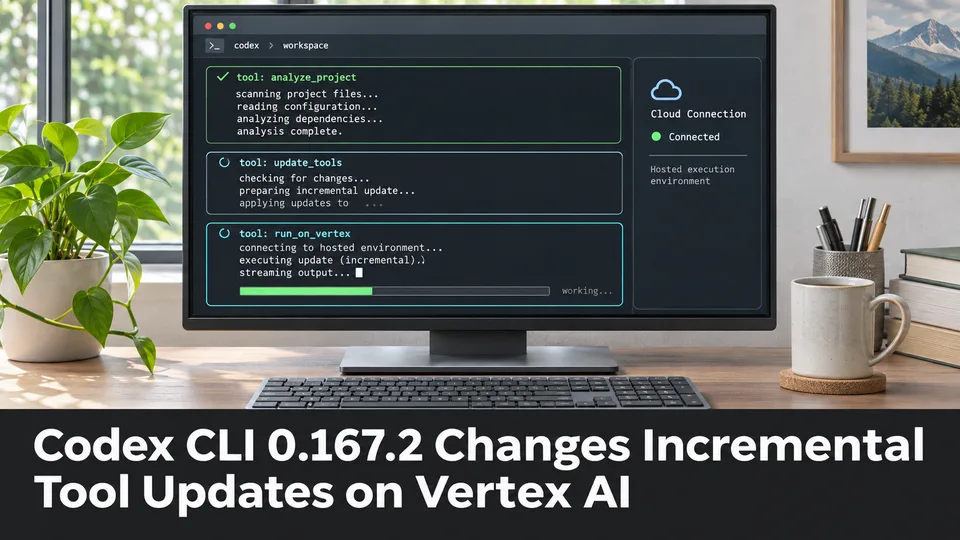
Codex CLI 0.167.2 Changes Incremental Tool Updates on Vertex AI
OpenAI released Codex CLI 0.167.2 with incremental tool updates enabled by default for Google Cloud Vertex AI. The change is relevant to teams using that backend, but it is not a general Unreal or Unity agent feature.
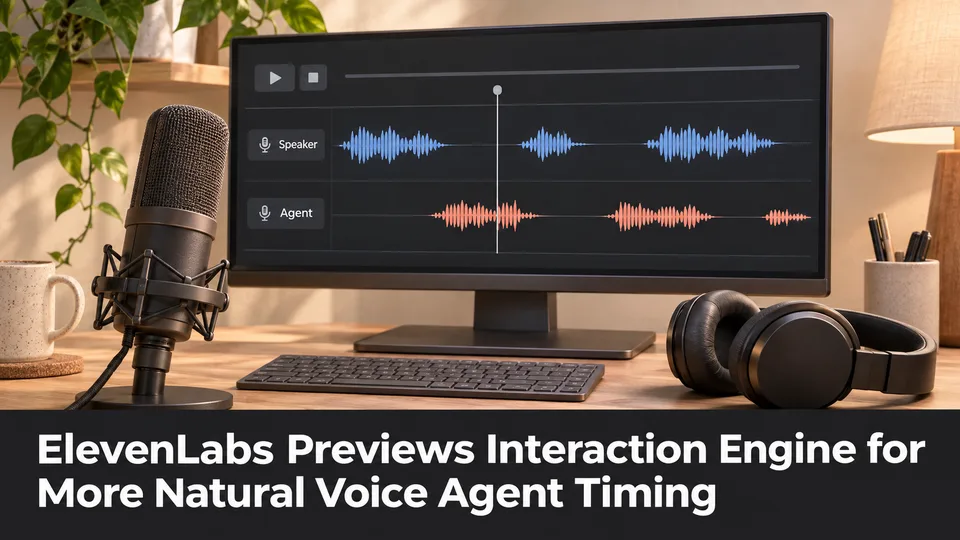
ElevenLabs Previews Interaction Engine for More Natural Voice Agent Timing
At its New York summit, ElevenLabs previewed an Interaction Engine that manages turn-taking, interruptions and model selection in conversations. Real-time game NPC use remains a proposed application, not a shipped game integration.
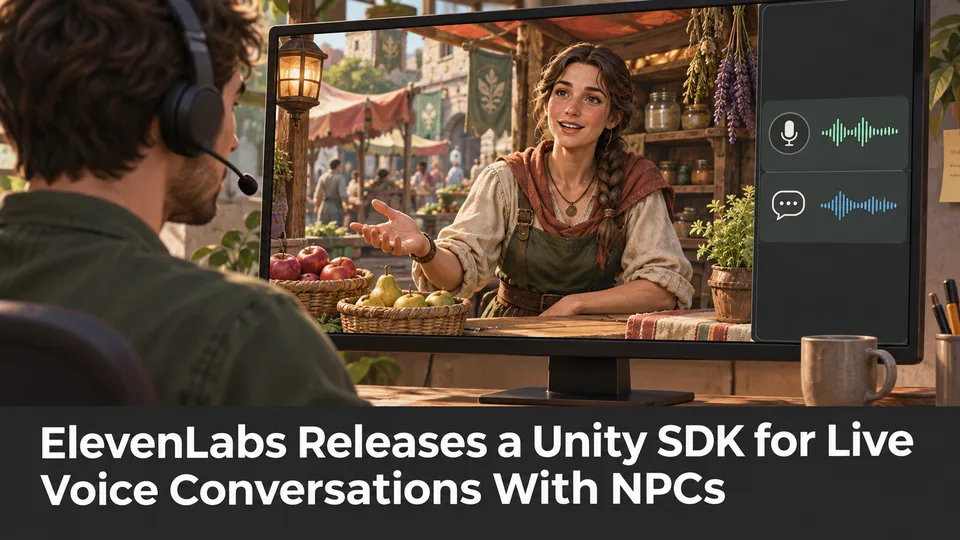
ElevenLabs Releases a Unity SDK for Live Voice Conversations With NPCs
ElevenLabs has published a Unity SDK connecting scene characters to conversational voice agents. The developer documentation distinguishes supported desktop and WebGL targets from beta mobile and XR integration.
Comments