
Unity Asset Store Adds Vehicle Physics Package with Cars and Damage Features
A new Real Car Controller System package lists vehicle physics, gearboxes, damage and bundled cars for Unity URP. Its November 9 release is a third-party asset, with compatibility claims still requiring project-level testing.
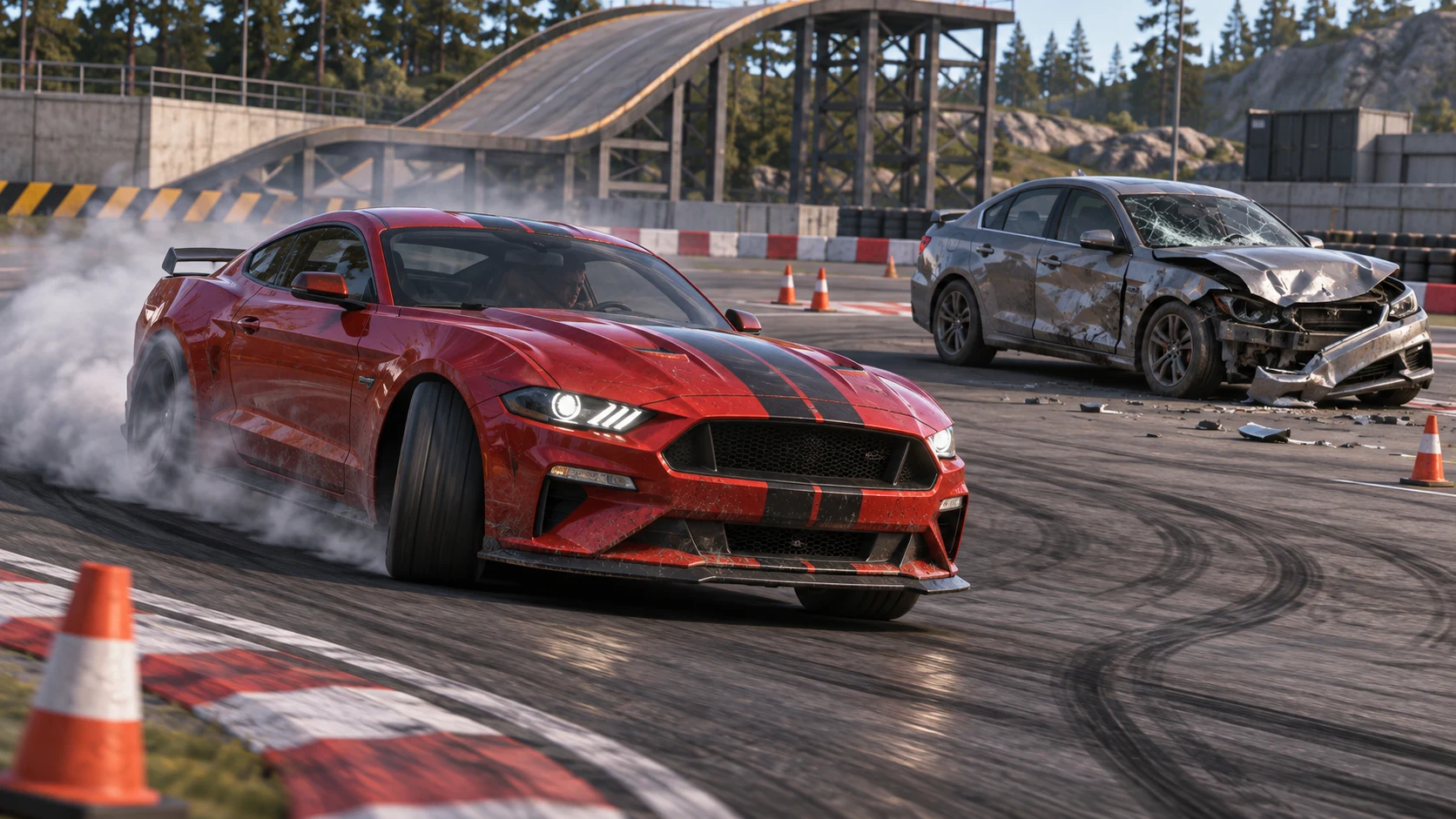
Vehicle behavior involves more than moving a model along a road. Acceleration, steering response, suspension, shifting and impact handling all affect how driving feels. A third-party Unity Asset Store listing dated November 9 introduces Real Car Controller System - Vehicle Physics, Gearboxes, Crash Damage & 28 Cars as one possible starting point for driving-focused projects.
The store lists the initial version as 1.0.0 and identifies Unity 6000.3.21 as its original editor version. Its compatibility table marks URP compatible and both Built-in and HDRP not compatible. The package download is listed at approximately 645 MB. The title includes twenty-eight cars, while the keywords mention suspension, drift, crash damage, gearboxes and AI drivers. These are seller-described features, not independent verification of simulation realism or vehicle count in an installed project.
A package combining models and vehicle logic can be convenient for rapid prototypes. It may let a team explore routes, test driving camera angles and evaluate traffic interaction without beginning with a blank physics controller. But model variety and driving quality should be judged separately. One appealing car demonstration does not establish that all cars respond consistently or that the system works at every fixed timestep.
The product appears as a paid Unity Asset Store extension under the standard marketplace license. Before adoption, confirm whether it exposes the settings needed for the project's gameplay style, whether the included cars have the desired content rights and whether the developer provides maintainable source code or documentation. Also check the current support policy for the targeted Unity branch.
A useful evaluation would compare a single vehicle on three courses: a straight road, a sharp turning section and uneven ground. Record turning behavior, stopping distance in relative terms, wheel and body stability, collision response and any frame-rate dependence. If AI traffic is part of the intended game, test it separately from manual driving.
The main news is that another complete vehicle-control package has entered the marketplace. It is not an official improvement to Unity PhysX or a promise of simulation accuracy. Developers choosing between asset-store controllers should prioritize predictable behavior, extensibility and compatibility over the number of bundled vehicles in a product title.
Rate this story
What did you think of this article?
Log in to rate this story, comment and like replies.
Log inNo comments yet. Be the first to share your thoughts.
More stories
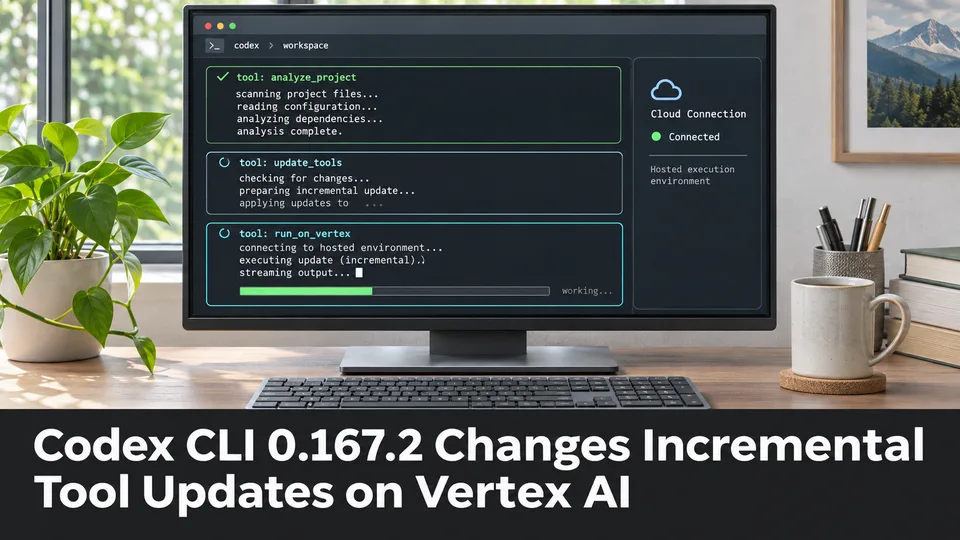
Codex CLI 0.167.2 Changes Incremental Tool Updates on Vertex AI
OpenAI released Codex CLI 0.167.2 with incremental tool updates enabled by default for Google Cloud Vertex AI. The change is relevant to teams using that backend, but it is not a general Unreal or Unity agent feature.
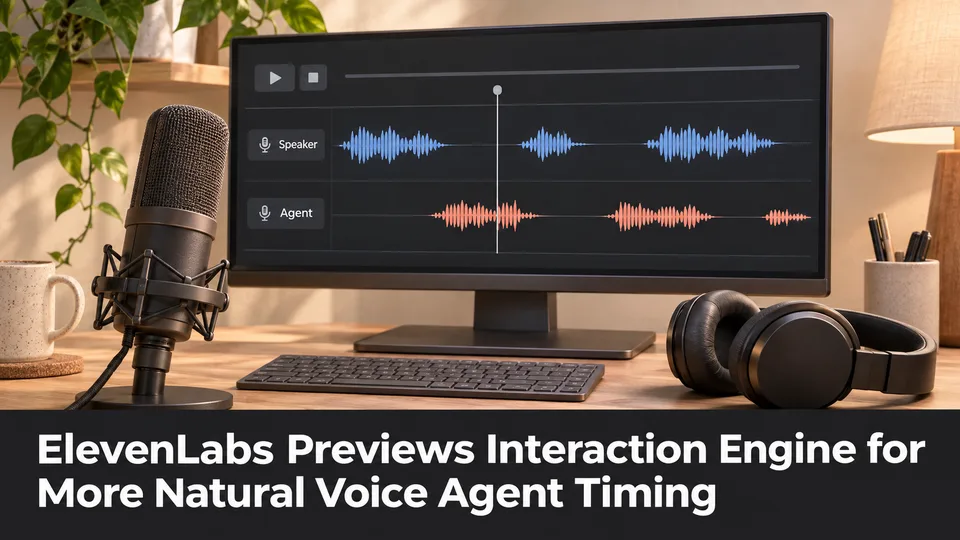
ElevenLabs Previews Interaction Engine for More Natural Voice Agent Timing
At its New York summit, ElevenLabs previewed an Interaction Engine that manages turn-taking, interruptions and model selection in conversations. Real-time game NPC use remains a proposed application, not a shipped game integration.
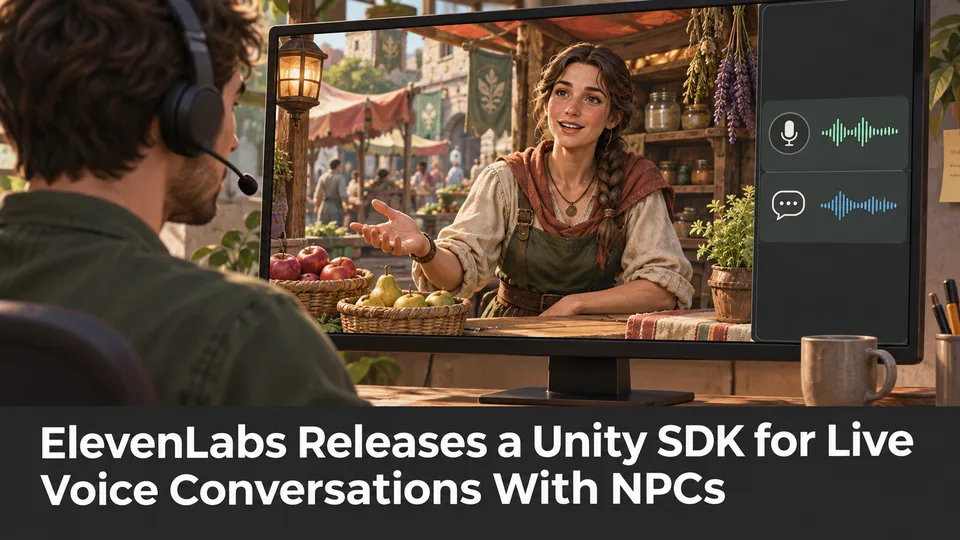
ElevenLabs Releases a Unity SDK for Live Voice Conversations With NPCs
ElevenLabs has published a Unity SDK connecting scene characters to conversational voice agents. The developer documentation distinguishes supported desktop and WebGL targets from beta mobile and XR integration.
Comments