
Quixel Says the Full Megascans Library Is Going Free on Fab
Quixel has announced another change to Megascans availability and licensing. The complete library is set to become free on Fab, while revised terms explicitly permit AI-model training on Megascans and Megaplants.
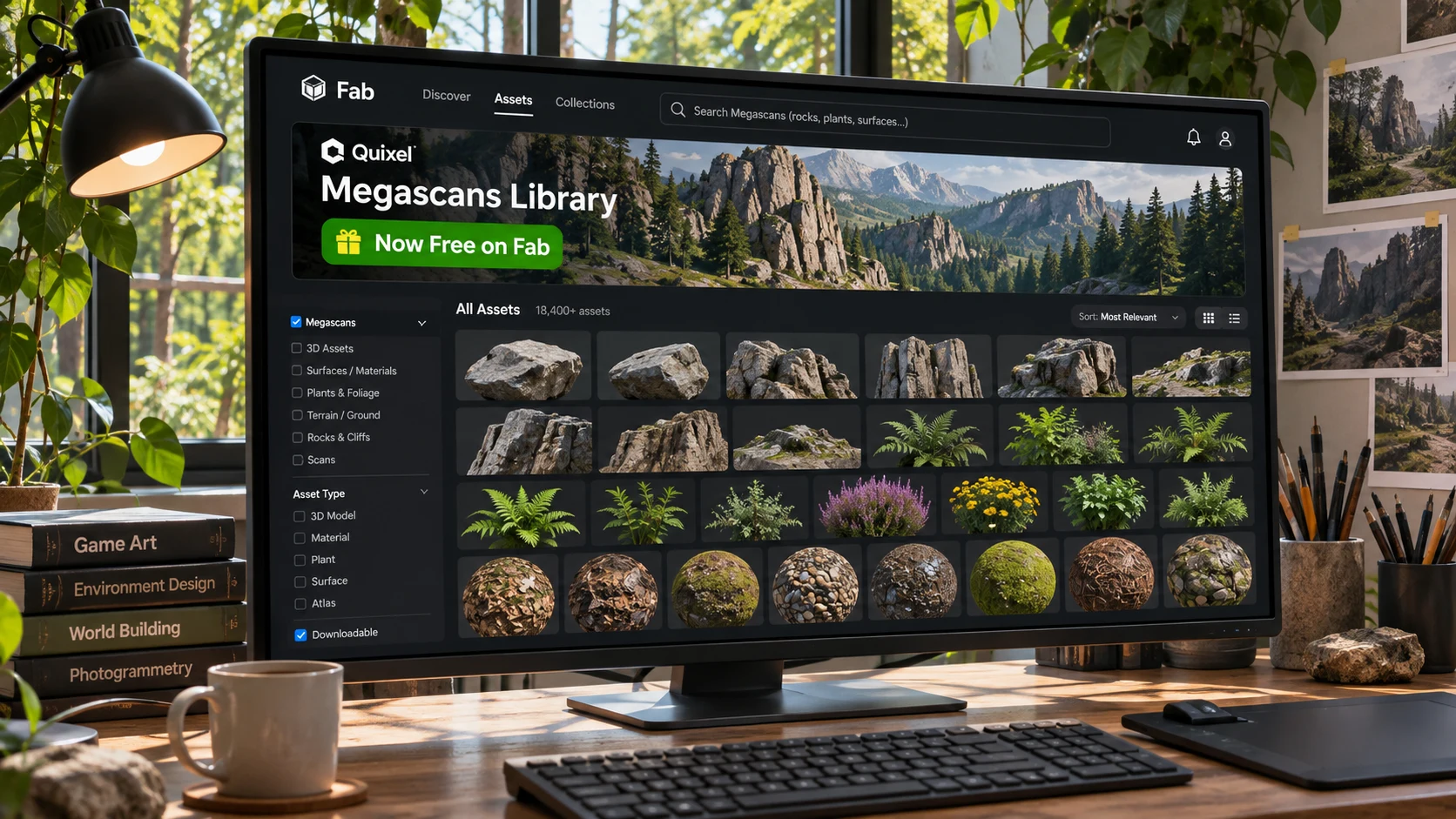
Quixel announced on November 5, 2026, that it is making the full Megascans library free on Fab. For environment artists, the development matters because Megascans has long been a source of scanned surfaces, rocks, vegetation, and other photorealistic building blocks. The company also announced revised terms allowing AI models to be trained on Megascans and Megaplants. The notice establishes a significant policy change, but developers should still read the actual terms before using the materials in an automated commercial pipeline.
Free access and permission to train a model are separate questions. A material that is available at no purchase price can still have contractual conditions, and an AI-generated output may involve other services with their own restrictions. The announcement does not mean that every possible use of the assets is unrestricted. Studios with a Quixel studio agreement remain under their existing contracts and are directed to contact their representative about the change.
There is also a retrospective element for customers who paid for assets. Quixel says purchases of Megascans or a Quixel Bundle made on or after January 1, 2025, will be refunded to the buyer's Epic Account Balance, provided the account has accepted the updated terms. The company expects qualifying refunds to appear by the end of 2026. Customers keep their existing licenses; the refund is not described as the cancellation of their rights. This is account credit, not a general promise of a cash refund.
For Unreal Engine artists, the practical advantage could be greater freedom to prototype environments with scanned components before deciding which assets need custom modeling. That is particularly useful when blocking out landscapes, abandoned buildings, or industrial locations. However, a free library does not remove the costs of importing, preparing collision meshes, tuning materials, or optimizing content for a target GPU. High-resolution scans can still be expensive in memory and draw calls.
A sensible trial would use one small test level and a documented list of downloaded assets. Assemble the same scene with ordinary placeholder materials and with Megascans assets, then compare memory, shader complexity, and frame time in a packaged build. Teams exploring AI training should establish a separate legal and provenance checklist rather than treating a headline about updated terms as blanket approval. Quixel's announcement confirms the direction of the change, not benchmark results for any game.
Rate this story
What did you think of this article?
Log in to rate this story, comment and like replies.
Log inNo comments yet. Be the first to share your thoughts.
More stories
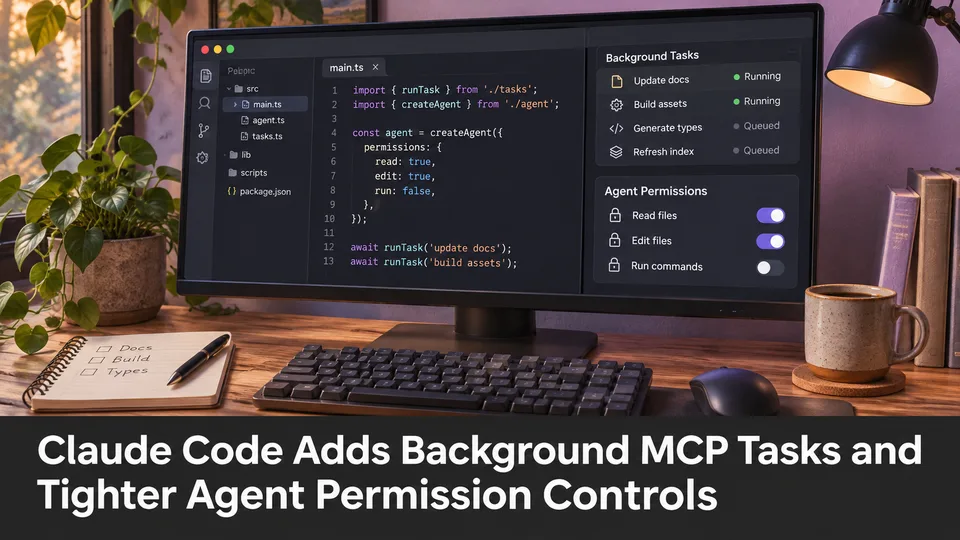
Claude Code Adds Background MCP Tasks and Tighter Agent Permission Controls
Anthropic’s Claude Code 2.1.319 introduced asynchronous MCP tasks and new permission controls. These features may help game developers manage long-running Unreal or Unity tool operations without blocking every agent step.
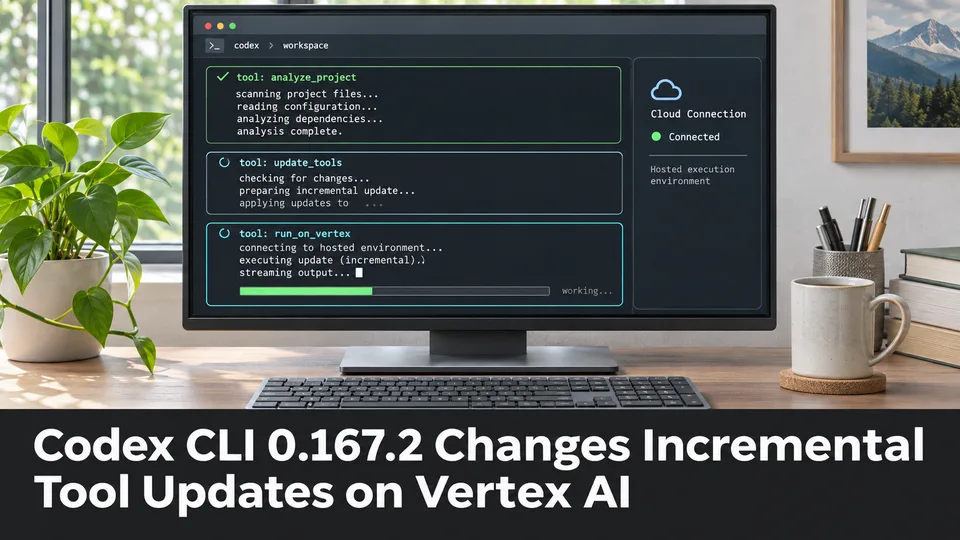
Codex CLI 0.167.2 Changes Incremental Tool Updates on Vertex AI
OpenAI released Codex CLI 0.167.2 with incremental tool updates enabled by default for Google Cloud Vertex AI. The change is relevant to teams using that backend, but it is not a general Unreal or Unity agent feature.
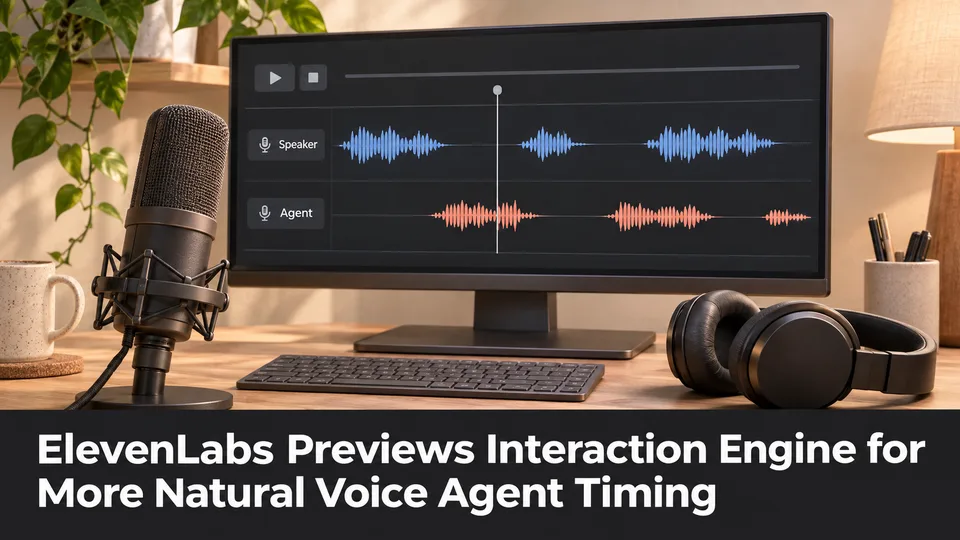
ElevenLabs Previews Interaction Engine for More Natural Voice Agent Timing
At its New York summit, ElevenLabs previewed an Interaction Engine that manages turn-taking, interruptions and model selection in conversations. Real-time game NPC use remains a proposed application, not a shipped game integration.
Comments