
Claude Code Adds Background MCP Tasks and Tighter Agent Permission Controls
Anthropic’s Claude Code 2.1.319 introduced asynchronous MCP tasks and new permission controls. These features may help game developers manage long-running Unreal or Unity tool operations without blocking every agent step.
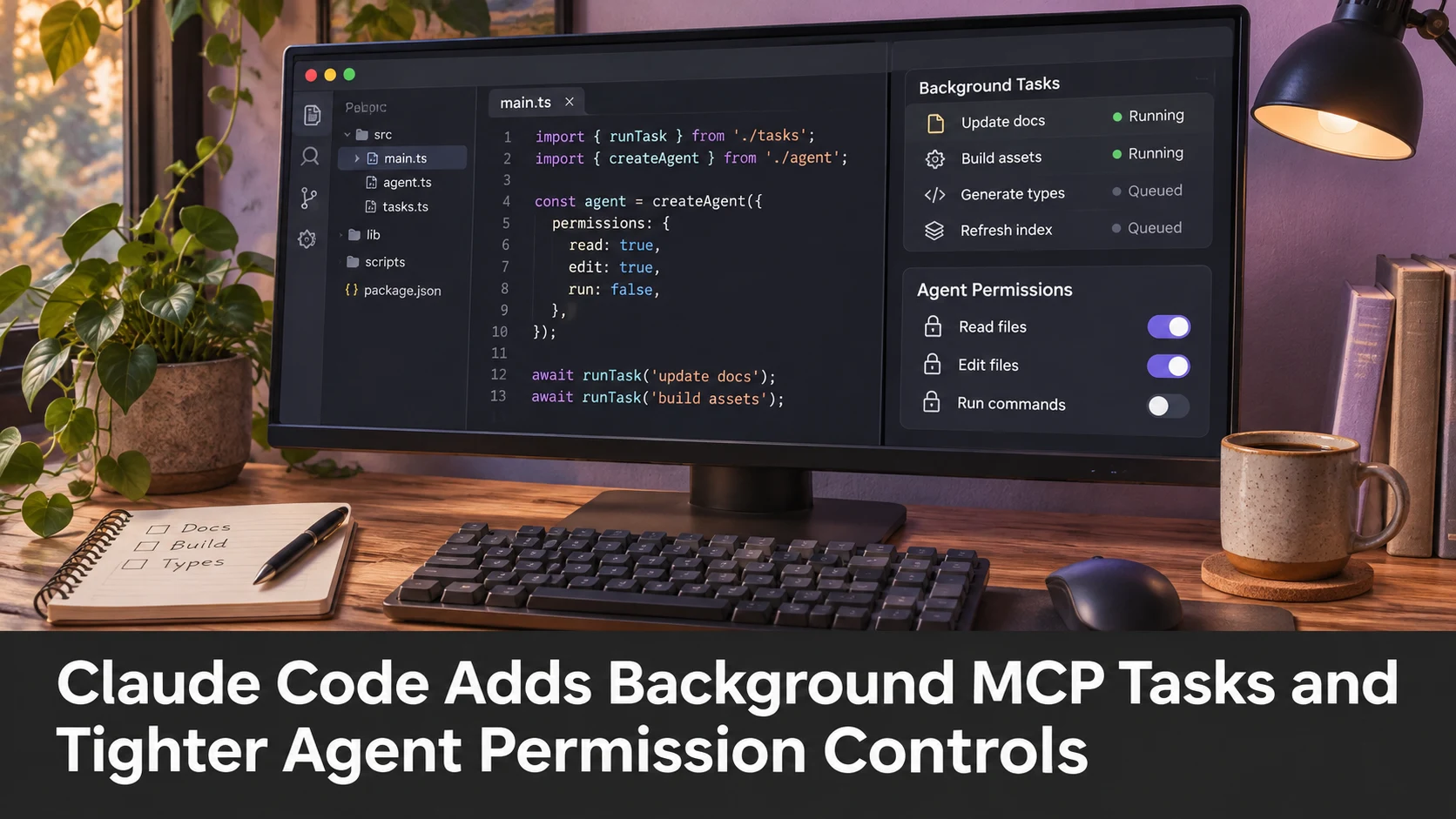
Anthropic's official Claude Code release history documents version 2.1.319 on November 6, 2026. Among many changes, two stand out for developers using a coding agent alongside editors such as Unreal Engine and Unity: support for MCP tasks in terminal sessions and an option to deny permission-dependent actions instead of waiting for an interactive prompt.
In MCP, an external tool server exposes operations to a client. A game-development integration might provide controlled functions to inspect assets, update a scene, run tests or request a build. The release notes say that when an MCP server runs a tool call as a task, Claude Code can move it into the background and report the result when it finishes. This is different from launching arbitrary shell commands without supervision; the MCP server and task protocol still define what work happens.
Long operations are common in game projects. Importing assets, running a batch conversion or compiling scripts may take enough time to interrupt a developer's conversational workflow. Background task support could let an agent continue planning or inspecting unrelated files while the external operation runs. Whether a particular Unreal MCP or Unity MCP integration benefits depends on whether its server actually exposes task-capable operations.
The same release documents a permissions.denyInsteadOfPrompting setting. For an agent working in a controlled terminal or automated environment, refusing a call that would otherwise wait for approval can be safer than leaving a job stalled indefinitely. This should not be confused with giving the agent broader privileges. Denial is useful only when the workflow can handle a rejected action predictably.
The notes also include fixes relevant to MCP connections and local development, but the exact impact varies by host, operating system and server implementation. Developers should check their installed version rather than generalize a reported problem to every Claude Code installation.
A test in a disposable project could expose two MCP operations: a read-only inspection and a deliberately slow, non-destructive export task. Verify how the agent receives progress or completion, then try a permission-protected action with denial enabled. Check that the operation fails clearly and leaves the project untouched. These are proposed tests, not tests reported here as completed.
This is a coding-agent client update rather than a new Unreal or Unity feature. Its value lies in making external tool orchestration more predictable when a developer already has an appropriate MCP server and a well-defined approval policy.
Rate this story
What did you think of this article?
Log in to rate this story, comment and like replies.
Log inNo comments yet. Be the first to share your thoughts.
More stories
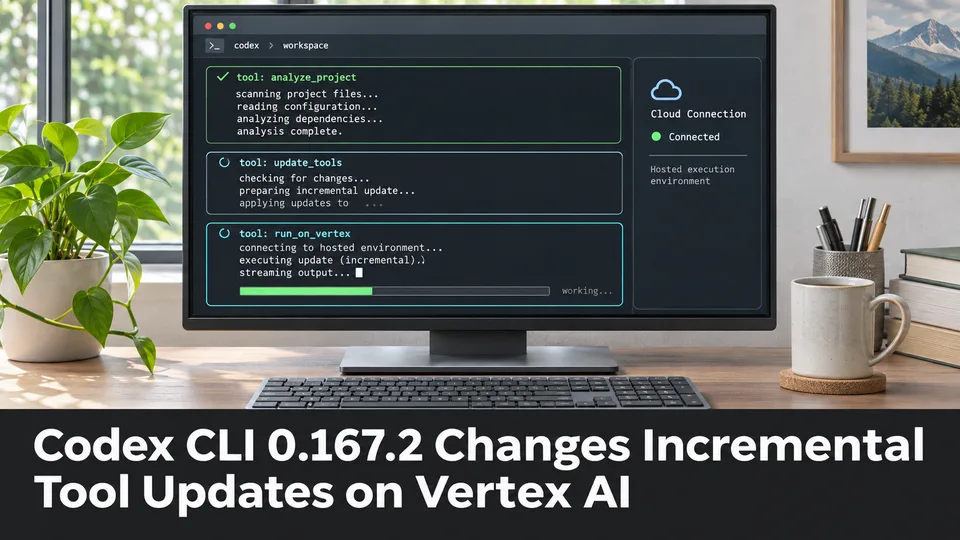
Codex CLI 0.167.2 Changes Incremental Tool Updates on Vertex AI
OpenAI released Codex CLI 0.167.2 with incremental tool updates enabled by default for Google Cloud Vertex AI. The change is relevant to teams using that backend, but it is not a general Unreal or Unity agent feature.
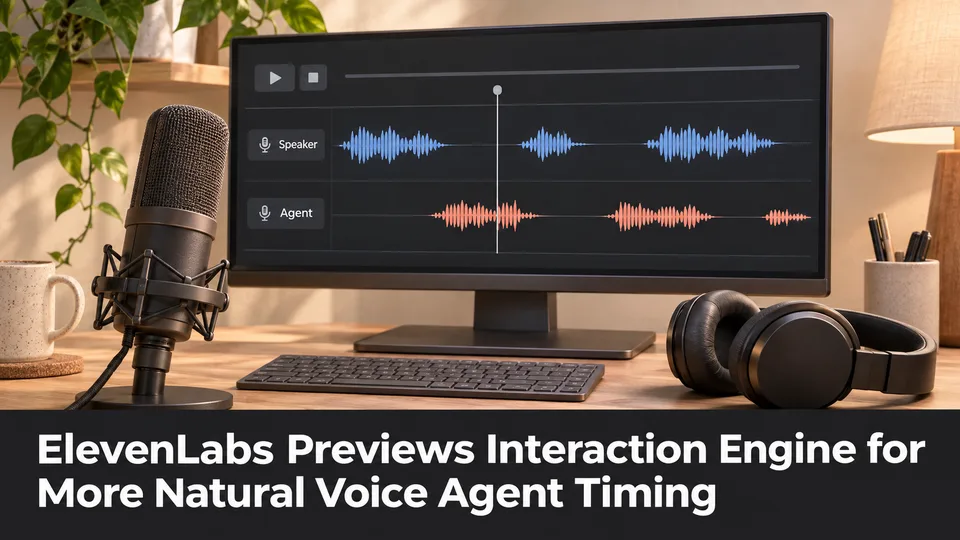
ElevenLabs Previews Interaction Engine for More Natural Voice Agent Timing
At its New York summit, ElevenLabs previewed an Interaction Engine that manages turn-taking, interruptions and model selection in conversations. Real-time game NPC use remains a proposed application, not a shipped game integration.

ElevenLabs Releases a Unity SDK for Live Voice Conversations With NPCs
ElevenLabs has published a Unity SDK connecting scene characters to conversational voice agents. The developer documentation distinguishes supported desktop and WebGL targets from beta mobile and XR integration.
Comments