
OpenAI Codex Merges Multiple Side Chats for Terminal Workflows
A November 6 OpenAI Codex repository change adds support for multiple retained side chats in the terminal interface. The change can help separate parallel Unity C# and Unreal C++ investigations, but it is a merged code change, not a guaranteed installed release.
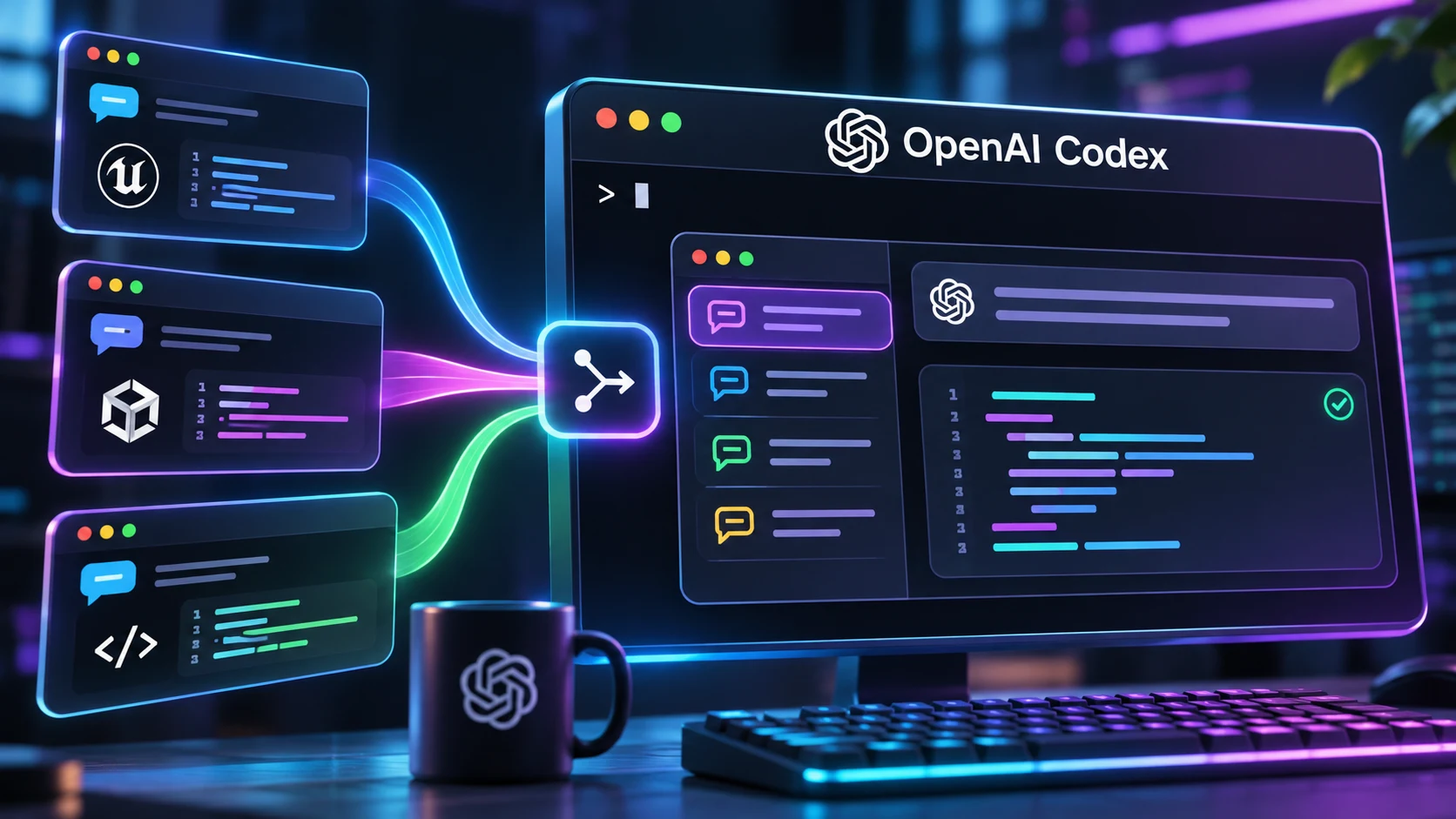
A change merged into OpenAI's public Codex repository on November 6, 2026, adds support for multiple side conversations in the terminal user interface. The pull request describes a more flexible sidebar, allowing users with side-chat retention enabled to create sibling conversations and return to them without losing all of their local context. It is a source-code change on the main branch, not proof that a particular installed Codex package already contains it.
The practical problem is familiar in game development: one coding session often turns into several investigations. A Unity developer might need to analyze serialization, inspect an animation component, and review a build failure without mixing every detail into the same discussion. In Unreal Engine, a similar split can occur between C++ class changes, Blueprint integration, and editor automation. Separate side chats may make the conversation history easier to navigate.
According to the merged description, the terminal UI can present numbered, selectable tabs and keyboard navigation for these side conversations. It also preserves drafts and history when moving between siblings. The command behavior is adjusted so a side-chat instruction containing a prompt can create a new conversation, while the command without a prompt returns to the selected conversation. The existing behavior is preserved when side retention is disabled.
This is an interface improvement, not a guarantee of independent autonomous agents, isolated file-system permissions, or simultaneous safe edits to the same repository. Two conversations can still make incompatible suggestions about a shared class. Branches, tests, and explicit task boundaries remain necessary. Users should also confirm which Codex build they are running before assuming the new sidebar is present.
One proposed game-development workflow is to reserve one side conversation for compiling and fixing a specific Unreal module, another for reviewing network replication rules, and the main conversation for coordinating the overall implementation. In a Unity project, a similar arrangement could separate C# gameplay code from profiling and asset-import problems. After any code modification, inspect the diff and run the project's normal compilation or automated tests before merging results.
The change reflects a broader need for better task organization in coding-agent tools. Its significance lies in making context management less awkward, not in demonstrating that the model has become more accurate at Unreal Engine or Unity development. Developers should evaluate the UI improvement independently of the quality of generated code.
Rate this story
What did you think of this article?
Log in to rate this story, comment and like replies.
Log inNo comments yet. Be the first to share your thoughts.
More stories
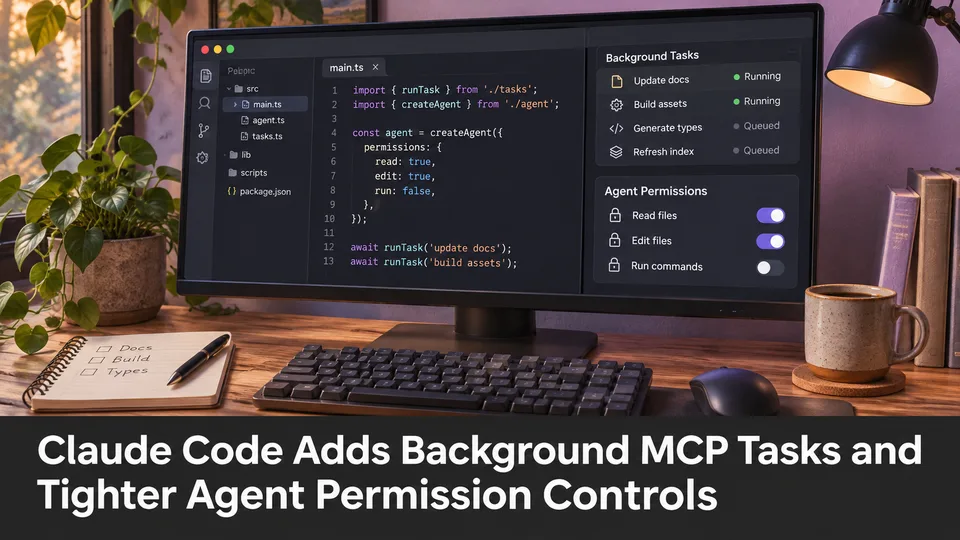
Claude Code Adds Background MCP Tasks and Tighter Agent Permission Controls
Anthropic’s Claude Code 2.1.319 introduced asynchronous MCP tasks and new permission controls. These features may help game developers manage long-running Unreal or Unity tool operations without blocking every agent step.
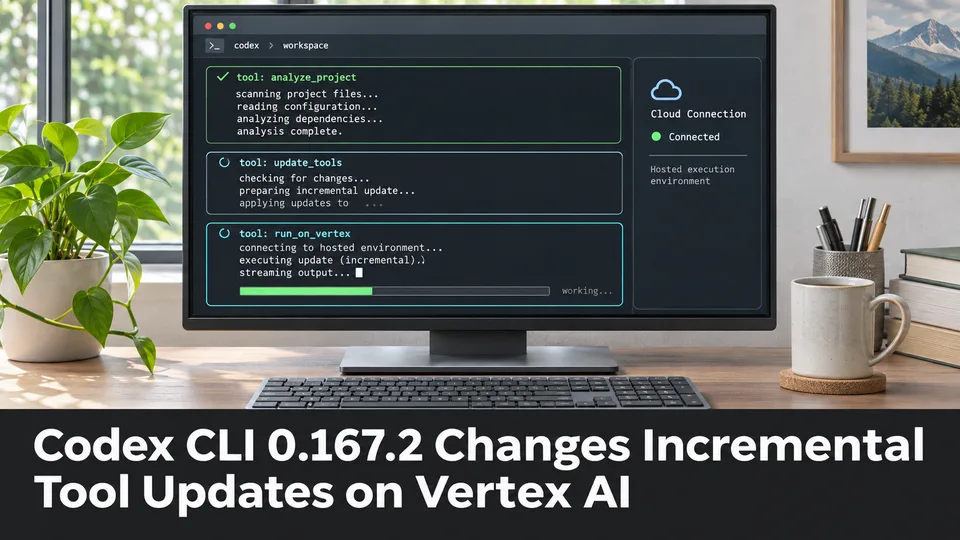
Codex CLI 0.167.2 Changes Incremental Tool Updates on Vertex AI
OpenAI released Codex CLI 0.167.2 with incremental tool updates enabled by default for Google Cloud Vertex AI. The change is relevant to teams using that backend, but it is not a general Unreal or Unity agent feature.
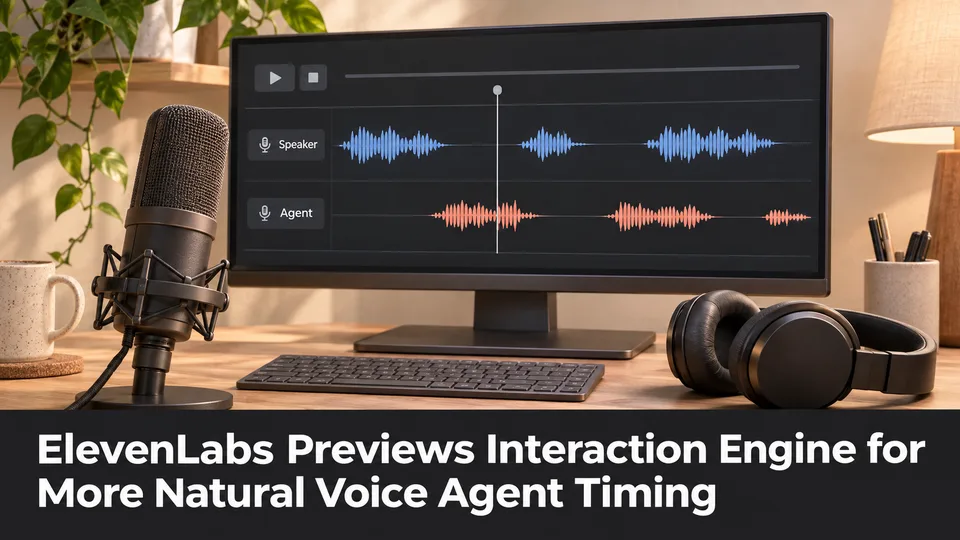
ElevenLabs Previews Interaction Engine for More Natural Voice Agent Timing
At its New York summit, ElevenLabs previewed an Interaction Engine that manages turn-taking, interruptions and model selection in conversations. Real-time game NPC use remains a proposed application, not a shipped game integration.
Comments