
Netcode for Entities 7.2 Adds GameObject Bridges and Agent-Facing Unity CLI Tools
Unity Netcode for Entities 7.2.0 is listed as released October 30 with GameObject-facing networking APIs, new prediction options and Unity CLI inspection commands. It targets the Unity 6.7 beta family rather than older supported editors.

Multiplayer architecture in Unity has long involved a choice between familiar GameObject-based workflows and data-oriented Entities systems. A package update recorded on October 30, 2026 shows Unity continuing its effort to make those approaches work together.
Netcode for Entities 7.2.0 introduces a broader GameObject-compatible interface, according to release notes captured from Unity's package registry. The described additions include GhostObject, GhostBehaviour, GhostField and GhostInput, plus a Netcode facade, custom messages, RPCs, and wrappers around connection and prediction behavior. The earlier experimental scripting define for access to the bridge is no longer required.
For developers, this matters because network replication should not always demand that the entire gameplay model be rewritten at once. Existing GameObject-centered systems could eventually coexist with selected data-oriented networking features. That does not mean every Unity component is now automatically networked, or that migration from a current project is effortless.
The update also changes prediction and physics controls. A new project-wide option chooses whether clients simulate partial ticks or operate using full ticks only. Additional controls affect when physics steps inside the prediction loop. These are important details for responsive character movement and objects that must stay synchronized between clients and a server.
A particularly interesting addition is a collection of Unity CLI commands for automated tools and agents. When the experimental Unity Pipeline package is present, the release notes describe operations for inspecting worlds, connections and ghosts; comparing client and server state; auditing configuration; and recording prediction traces. That is a potential building block for AI-assisted debugging, but the commands still operate inside a developing toolchain.
Compatibility should shape every adoption decision. The registry record associates 7.2.0 with Unity 6000.7 beta builds, not the older Unity 6.3 LTS line. Unity's official forum guidance explains that Netcode for Entities returned to a separately versioned package in the Unity 6.7 cycle. A studio using an established Unity LTS project should not treat this package as a drop-in upgrade.
One practical evaluation would create an isolated multiplayer sample with a moving network object and two clients. Compare movement on client and server, introduce simulated latency, and review the prediction trace. If the CLI operations are available, run the same inspection from an automated script and confirm that the reported state matches the editor's view.
The available release record is a third-party capture of Unity registry metadata, while the official Unity discussion supplies the package-transition context. Teams should verify the exact package manifest and documentation in Package Manager before changing production projects. The direction is promising, but the maturity and version restrictions matter as much as the features.
Rate this story
What did you think of this article?
Log in to rate this story, comment and like replies.
Log inNo comments yet. Be the first to share your thoughts.
More stories

Epic Games Launcher 0.109.0 Labels Development Builds in the Library
Epic Games Launcher 0.109.0, dated November 2, adds visible Dev and Stage sandbox labels to library builds alongside account switching and a collapsible social panel. The change is about launcher workflows, not Unreal Engine rendering.
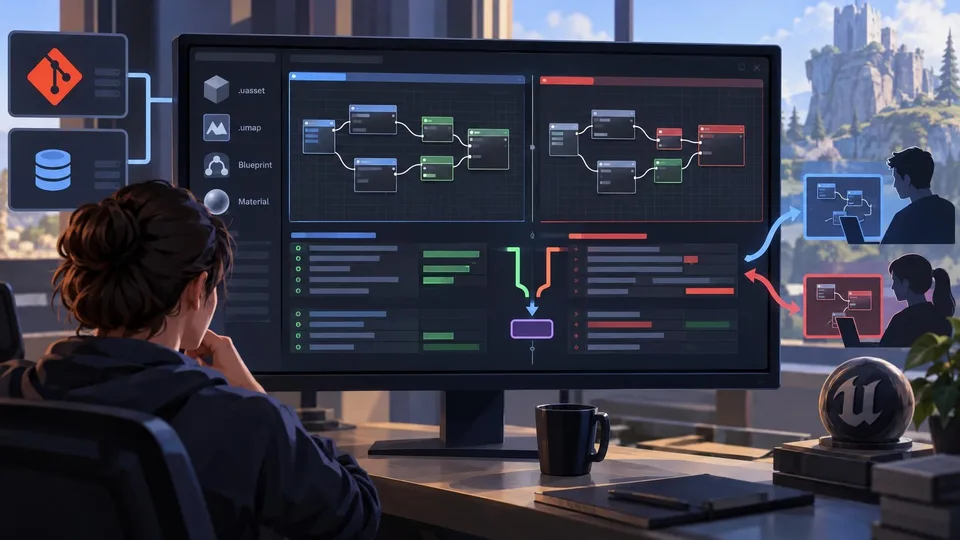
TheCodeDiff Brings Blueprint and Material Merging to Git and Perforce
A developer introduced TheCodeDiff on November 2, offering visual diffs and conflict resolution for Unreal Blueprint and Material assets without opening the editor. Advanced Unreal functions belong to a paid Pro tier.
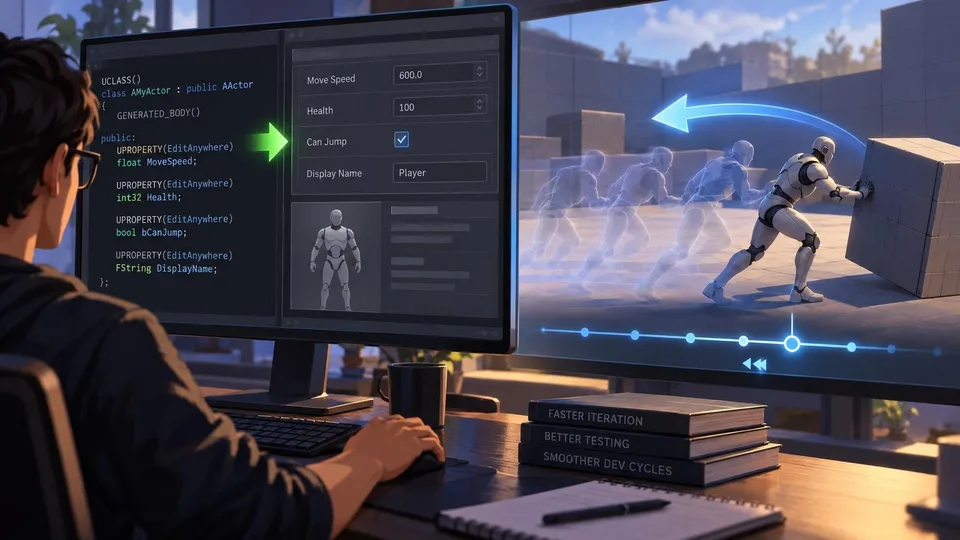
KRONO Plugin Promises Header Hot-Patching and PIE Rewind for UE 5.8
The independent KRONO plugin was detailed on November 3 with claimed fast UPROPERTY changes and a Play-In-Editor rewind tool for Unreal Engine 5.8 on Windows. Its timing figures are developer claims, not verified benchmarks.
Comments