
GitHub Copilot Now Generates Images Inside Coding Workflows
GitHub introduced image generation and editing in Copilot on October 28. The public preview lets supported users create and save images directly within their workspace, potentially simplifying early game UI mockups and placeholder art.
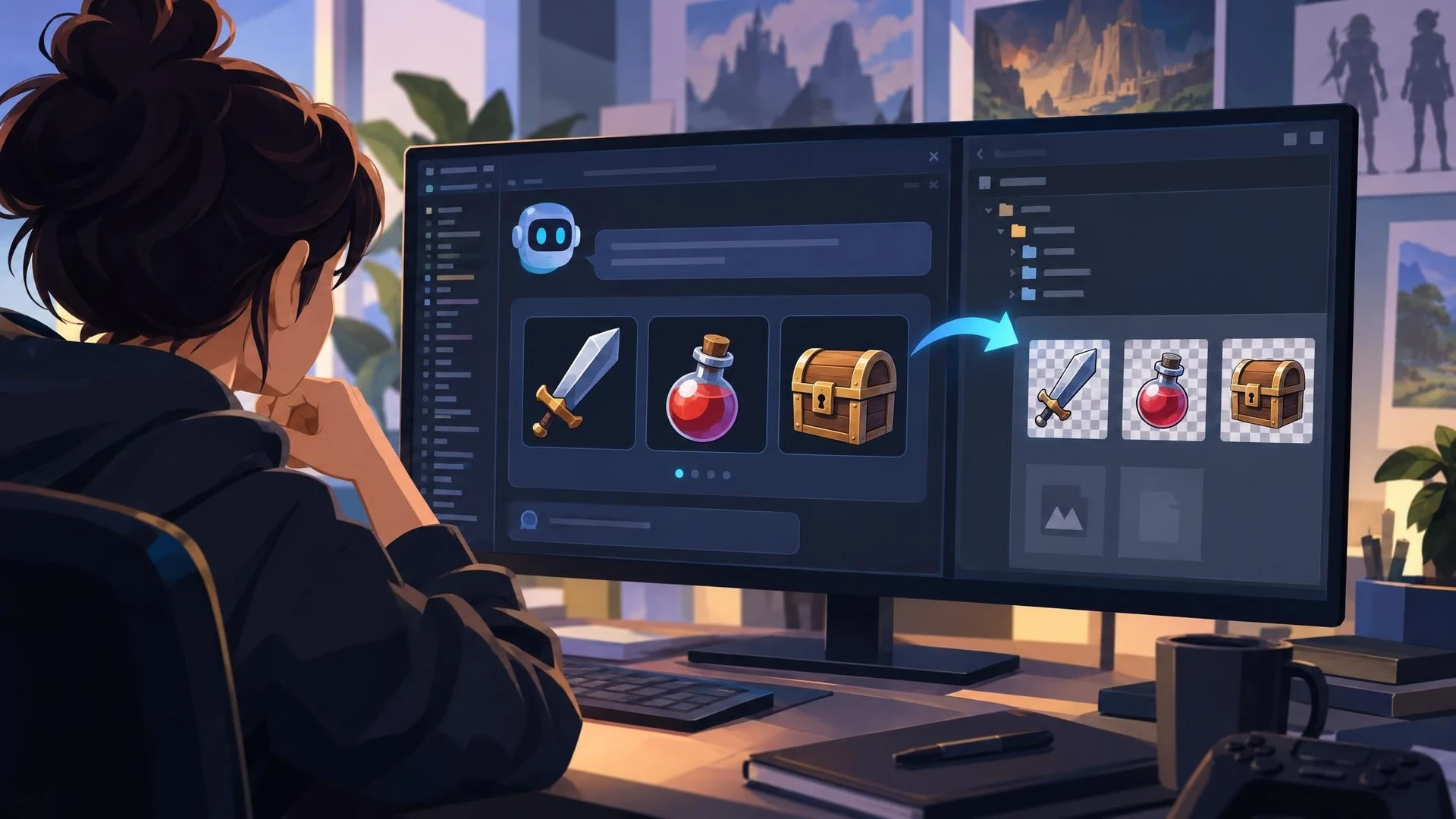
Game development involves more visual communication than source code alone. A programmer may need a temporary icon to test an inventory screen, a designer may want several menu directions, or a team may need simple placeholder illustrations before its final art is available. GitHub has added image generation and editing directly to Copilot, potentially reducing that interruption in the development workflow.
Announced on October 28, 2026, the feature allows a user to request an image through natural-language chat. GitHub says the selected reasoning model calls a dedicated image-generation tool powered by GPT Image 2.5 Flare, displays a preview in the conversation, and saves the generated result to the current workspace.
The main change is convenience rather than a new kind of game rendering. Previously, a developer might create art in a separate service, save it, locate the correct project directory, and import it into the game. Keeping the initial generation step in the coding tool can make it easier to test a UI layout or iterate on temporary assets while the relevant code is already open.
GitHub lists VS Code, the GitHub Copilot app, and Copilot CLI as places to begin an image request. The capability is currently in public preview for specified paid Copilot plans. Image creation is billed separately from chat-model usage, based on image tokens that count toward AI credits. Those details should be checked before making the feature part of a high-volume content pipeline.
There are also administrative and transparency controls. Organization owners can restrict the image model through Copilot policies, and users can choose to apply a visible AI-origin watermark. GitHub says watermarking is off by default. Teams publishing images should establish their own disclosure, review, rights, and branding practices rather than assuming that a generated file is immediately ready for public distribution.
For Unity or Unreal Engine creators, a useful first experiment would involve three simple UI icons with the same visual style. Generate them, verify their dimensions and transparency, and import them into a temporary menu. Compare how well they read at small sizes, not just how attractive they look at full resolution.
This feature does not promise production-ready 3D models, rigged characters, engine materials, or optimized texture sets. An image might still need retouching, cleanup, resizing, conversion, or a review for unwanted visual details before it becomes a final asset. Automated creation should not be confused with automated artistic quality assurance.
Copilot image generation may be most valuable in the early stages of development, when speed of iteration matters more than final polish. It offers developers another way to move from a visual idea to something testable without repeatedly switching tools.
Rate this story
What did you think of this article?
Log in to rate this story, comment and like replies.
Log inNo comments yet. Be the first to share your thoughts.
More stories
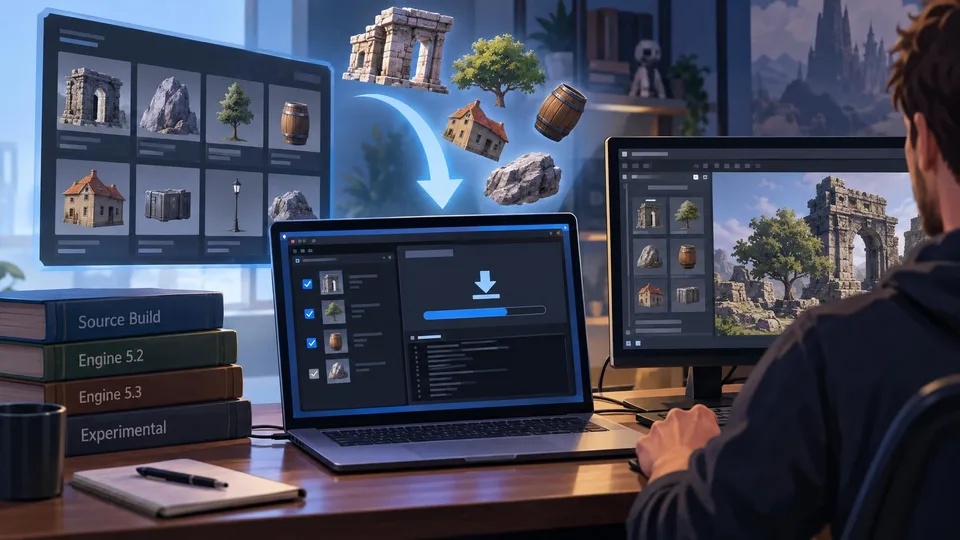
An Open-Source Fab Downloader Targets Custom Unreal Engine Workflows
A new community-built Fab Downloader offers another way to retrieve marketplace assets already owned by a developer. Its Windows and Linux tools avoid requiring an installed Launcher-managed Unreal Engine build, but rely on unofficial endpoints.
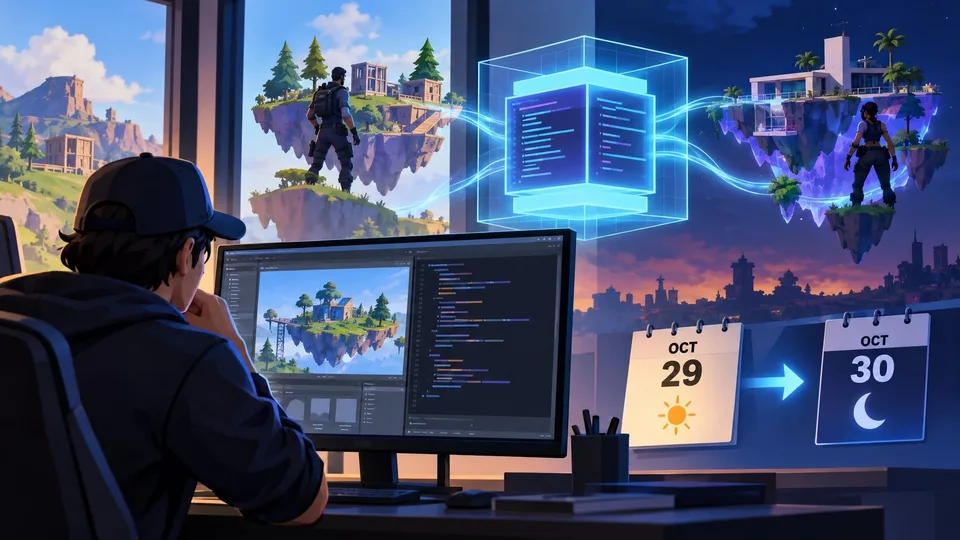
Epic Extends a Live Verse Virtual Machine Test for UEFN Islands
Epic started a temporary Verse virtual-machine test on October 29 across public and private UEFN sessions and later extended the window into October 30. The test is limited to Fortnite creation tools, not regular Unreal Engine projects.
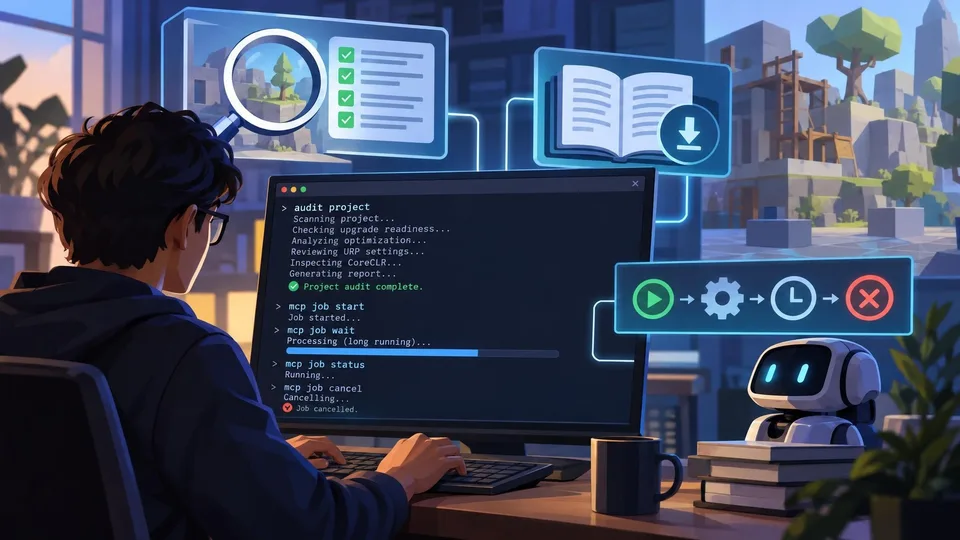
Unity CLI Beta 15 Adds Project Audits and Long-Running MCP Jobs
Unity CLI 1.0.0-beta.15 introduces project auditing, offline documentation access and MCP job controls aimed at automated workflows. The October 29 release also changes command output and removes some earlier commands, requiring script updates.
Comments