
GenesisCore Brings a Modular C++ Game Loop Framework to Fab
The independent GenesisCore plugin is now listed on Fab as a framework for stage flow, combat, inventory, menus and rewind behavior. Its developer recommends keeping project-specific data outside plugin content.

An independent Unreal Engine developer announced on November 6 that GenesisCore, a C++ framework plugin for UE5 projects, is available through Fab. According to the developer's showcase, the package is intended to provide a starting structure for several gameplay systems that are frequently rebuilt from scratch: level or stage progression, combat scaffolding, inventory handling, menu connections and a death-rewind mechanic.
A broad framework is a different product from a single-purpose combat component. The potential appeal is the relationship between its systems. A stage transition might need to update inventory state, spawn actors, refresh menu displays and retain information for a retry. Connecting those operations consistently can consume substantial engineering time, particularly when a small team is prototyping several game ideas. The developer presents GenesisCore as a way to begin with a predefined structure, not as a complete finished game.
Its packaging guidance is unusually important. The author instructs users to enable plugin content visibility and to keep their own DataTables and child Blueprints in the project's Content directory. That separation can reduce the risk of project-specific work being overwritten when the plugin is updated. It also clarifies where a game should own its rules, enemy definitions and content instead of editing vendor files directly.
The first question for a team evaluating GenesisCore should be how easily it can remove or replace individual systems. A project with established inventory, menus or save handling may not benefit from importing an entire framework. It would be reasonable to start in a fresh UE project, follow one stage from start to death and restart, then examine C++ extension points, Blueprint exposure and asset ownership before deciding whether the structure fits the game.
The November announcement comes from the plugin developer on an Epic community forum. It confirms the developer's release claim but is not an independent benchmark or compatibility certification. The public post does not establish performance across every UE5 version or target platform. Developers should check the live Fab listing for exact supported engine builds, licensing and current price before purchasing or integrating it into a commercial project. A narrow functional prototype is the safest way to distinguish useful scaffolding from unnecessary framework complexity.
Rate this story
What did you think of this article?
Log in to rate this story, comment and like replies.
Log inNo comments yet. Be the first to share your thoughts.
More stories
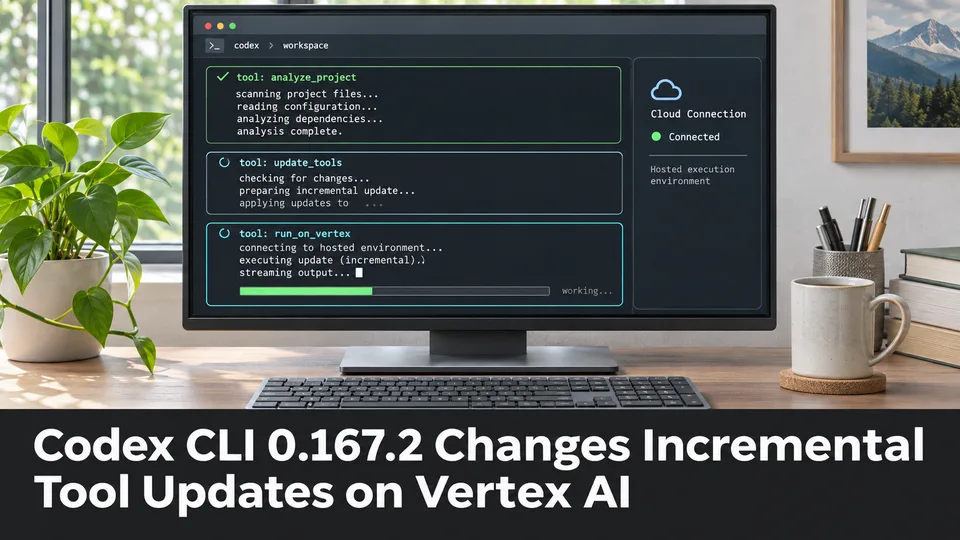
Codex CLI 0.167.2 Changes Incremental Tool Updates on Vertex AI
OpenAI released Codex CLI 0.167.2 with incremental tool updates enabled by default for Google Cloud Vertex AI. The change is relevant to teams using that backend, but it is not a general Unreal or Unity agent feature.
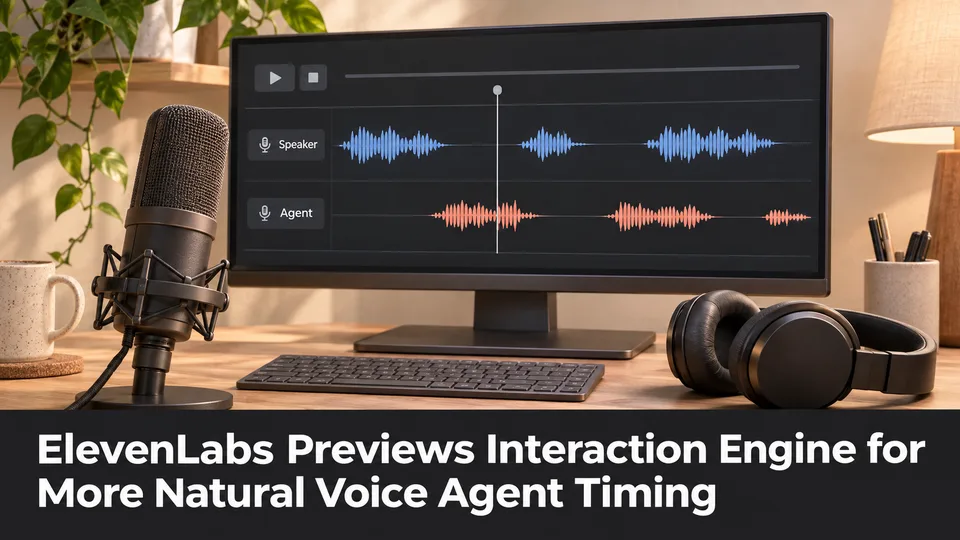
ElevenLabs Previews Interaction Engine for More Natural Voice Agent Timing
At its New York summit, ElevenLabs previewed an Interaction Engine that manages turn-taking, interruptions and model selection in conversations. Real-time game NPC use remains a proposed application, not a shipped game integration.

ElevenLabs Releases a Unity SDK for Live Voice Conversations With NPCs
ElevenLabs has published a Unity SDK connecting scene characters to conversational voice agents. The developer documentation distinguishes supported desktop and WebGL targets from beta mobile and XR integration.
Comments