
Epic Removes Unreal Engine AI Training Restrictions in Updated EULA
Epic Games has revised the Unreal Engine EULA to let developers choose to use engine technology and MetaHuman materials for AI model training. The change does not grant Epic permission to train on creators’ projects, and separate asset rules still apply.
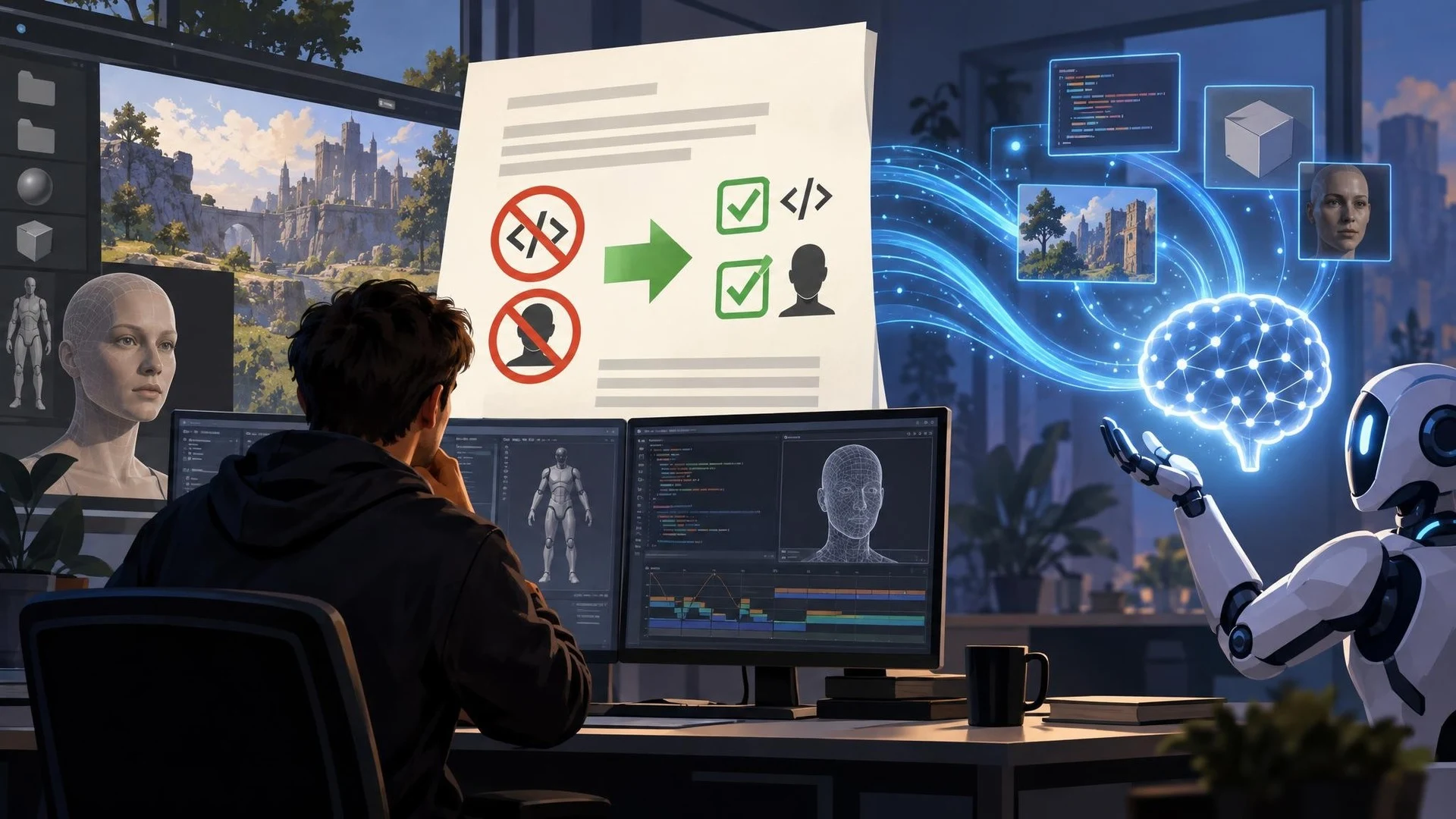
An Unreal Engine licensing change may matter as much to some developers as a new editor feature. On October 29, 2026, Epic Games announced an updated End User License Agreement that removes restrictions on using Unreal Engine technology and MetaHuman materials in artificial intelligence training. Existing developers can choose to accept the revised agreement, while new users encounter it during onboarding.
The previous general restrictions included a prohibition on using Unreal Engine, including source code, as training input to generative AI systems or as prompt input when the system learns from that material. Another provision restricted using MetaHuman digital characters, animation curves, and certain rendered outputs to develop, improve, or test machine learning technologies. Epic says both restrictions have been deleted from the relevant section of the agreement.
This is a permission change, not the launch of a game-building AI product. It may make it easier for licensed teams to explore models that understand their own source code, character animation data, or development assets. Exactly how a training project works remains a separate engineering question involving dataset preparation, compute resources, evaluation, and the team's rights to every item of information used.
Epic stresses a particularly important distinction: removing a restriction on developers does not give Epic new rights to train on a developer's game, assets, or code. The announcement is about what licensees may choose to do, not a declaration that projects will automatically be collected for training.
Other limitations have not disappeared. Fab sellers can continue to mark content with the NoAI tag, and a developer should respect the specific terms attached to third-party material. Unreal Editor for Fortnite, Verse scripts, and Fortnite island content operate under their own Fortnite rules rather than the ordinary Unreal Engine EULA. Studios using negotiated custom licensing arrangements must check the terms of those agreements separately.
A responsible first step for a studio considering AI training would be to inventory its prospective dataset. Identify which code and assets were created internally, which came from external sources, and which contain confidential or personal information. Then confirm that the updated agreement has been accepted and that every other applicable license permits the proposed use.
The immediate significance is legal and procedural rather than visual. Epic has opened a route for developers who want to experiment with training on engine-related material, but the update should not be mistaken for blanket ownership of marketplace assets or an automatic production-ready AI pipeline.
Rate this story
What did you think of this article?
Log in to rate this story, comment and like replies.
Log inNo comments yet. Be the first to share your thoughts.
More stories

Community Unreal Engine 5.8 WebGPU Fork Shows Browser-to-Native Multiplayer
A community developer has demonstrated a modified Unreal Engine 5.8 build running through WebGPU in a browser alongside a native macOS multiplayer client. The project remains experimental, and its author explicitly says it is not yet production-ready.

UStudio Brings Unreal Blueprint Inspection and Local MCP Tools to VS Code
The developer of UStudio has introduced a VS Code and Cursor extension with Unreal-specific C++ inspection, Blueprint viewing, live execution feedback, and a local MCP server. These capabilities are product claims that still require independent project testing.
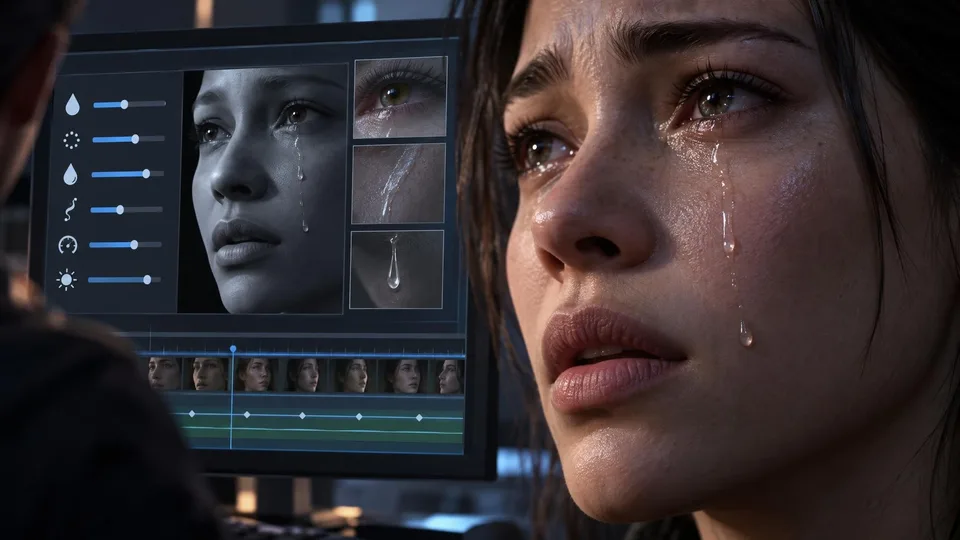
MetaCry Adds Procedural Tears and Wet Skin Effects to MetaHuman Scenes
A new third-party MetaCry effect system promises procedural teardrops, wet trails and eyelid moisture for MetaHuman characters. Its creator also describes Sequencer controls and caching for cinematic shots, although the results have not been independently tested.
Comments