
Epic Previews GaiA Animation Generation Inside Unreal Sequencer
Epic has described an experimental Sequencer plugin for AI-assisted character motion using high-level guidance and key poses. GaiA names NVIDIA Kimodo as its first generator, but it remains early-stage tooling rather than an established animation pipeline.
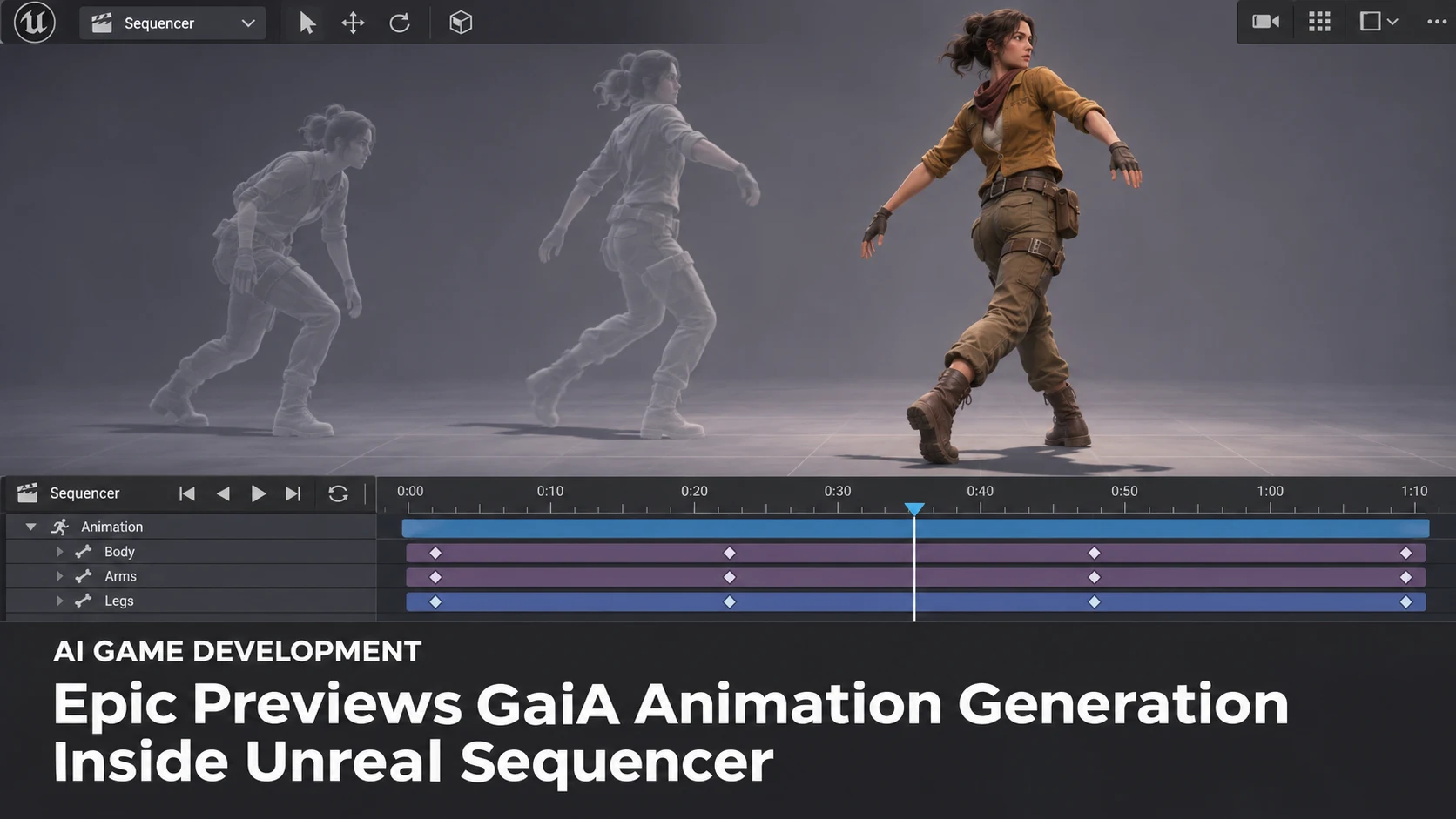
Epic's Unreal Engine roadmap now includes an experimental GaiA plugin for generating character animation from high-level instructions inside Sequencer. The November 9 announcement places AI-assisted motion within an existing Unreal authoring surface rather than requiring developers to begin every animation as an external file. It is an experimental feature associated with the 5.9 preview, not a general promise that any text prompt produces production-ready motion.
According to Epic, the first pose generator is NVIDIA's Kimodo. The proposed workflow lets an artist describe motion style in words, supply key poses at selected frames or make a character follow a spline. The system then uses those constraints to generate movement. Epic also says developers can create their own generators that connect to the plugin, suggesting an extensible interface rather than a single closed animation model.
These control methods have different strengths. A spline defines a spatial route but cannot by itself express an actor's emotional intention. Key poses can preserve important moments while leaving transitional motion to a model. Text guidance may be convenient for broad style changes, but the meaning of a word such as hesitant or aggressive is open to interpretation. Animation generated with any of these approaches still needs review for balance, foot contact, collisions and compatibility with the intended skeleton.
Sequencer is primarily an authoring and cinematic editing environment. The existence of a generation tool in Sequencer does not automatically make it a runtime system that creates fresh NPC movement during gameplay. Developers should distinguish offline creation of animation assets from interactive inference, which has different latency and hardware requirements.
A useful first experiment would begin with a short, simple sequence: a humanoid character walks along a curved path, stops at a marked position and reaches toward an object. Specify the path and two key poses, generate several candidates and inspect foot sliding, body orientation and timing. Record how many manual changes are required before the motion works in the intended scene, rather than judging only a single attractive render.
GaiA is interesting because it joins guidance-based generation with an engine timeline artists already use. Its value will become clearer as documentation, supported character rigs, repeatability and output-editing tools mature. Until then, teams should approach it as research and prototyping technology.
Rate this story
What did you think of this article?
Log in to rate this story, comment and like replies.
Log inNo comments yet. Be the first to share your thoughts.
More stories
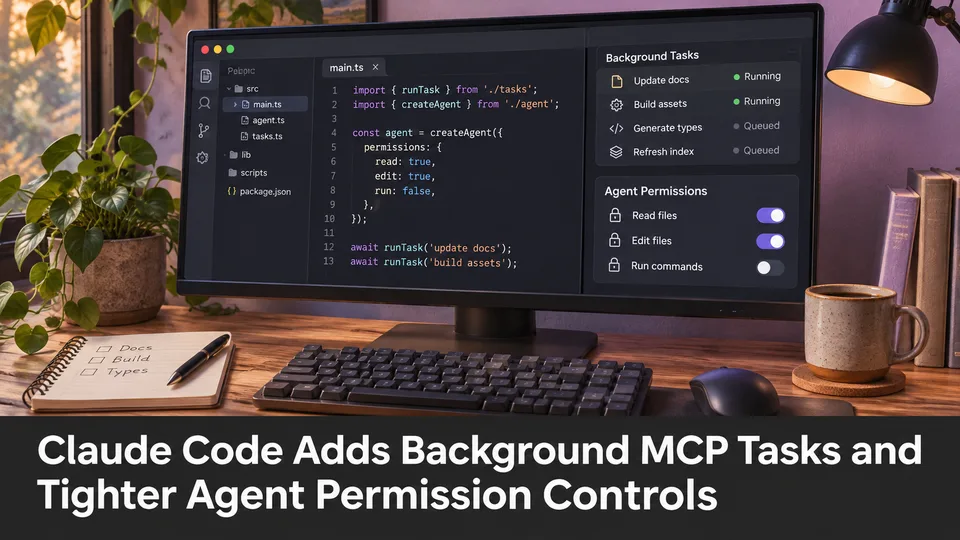
Claude Code Adds Background MCP Tasks and Tighter Agent Permission Controls
Anthropic’s Claude Code 2.1.319 introduced asynchronous MCP tasks and new permission controls. These features may help game developers manage long-running Unreal or Unity tool operations without blocking every agent step.
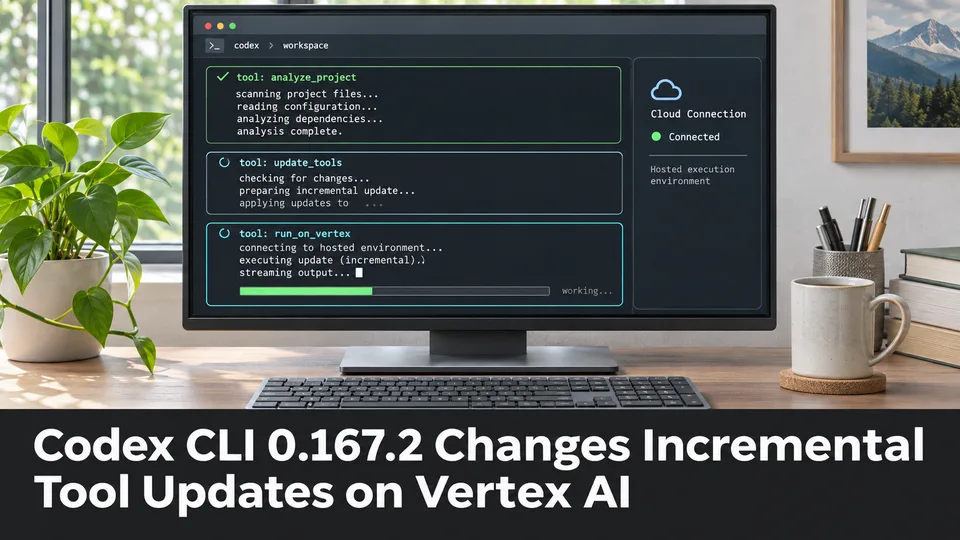
Codex CLI 0.167.2 Changes Incremental Tool Updates on Vertex AI
OpenAI released Codex CLI 0.167.2 with incremental tool updates enabled by default for Google Cloud Vertex AI. The change is relevant to teams using that backend, but it is not a general Unreal or Unity agent feature.

ElevenLabs Previews Interaction Engine for More Natural Voice Agent Timing
At its New York summit, ElevenLabs previewed an Interaction Engine that manages turn-taking, interruptions and model selection in conversations. Real-time game NPC use remains a proposed application, not a shipped game integration.
Comments