
ElevenLabs Releases Scribe v3 and Realtime v3 Live for Speech Recognition
ElevenLabs launched two speech-to-text models designed for recorded and live audio. For interactive games they could support voice-driven prototypes and transcription, but the vendor benchmarks do not establish in-game latency or NPC quality.
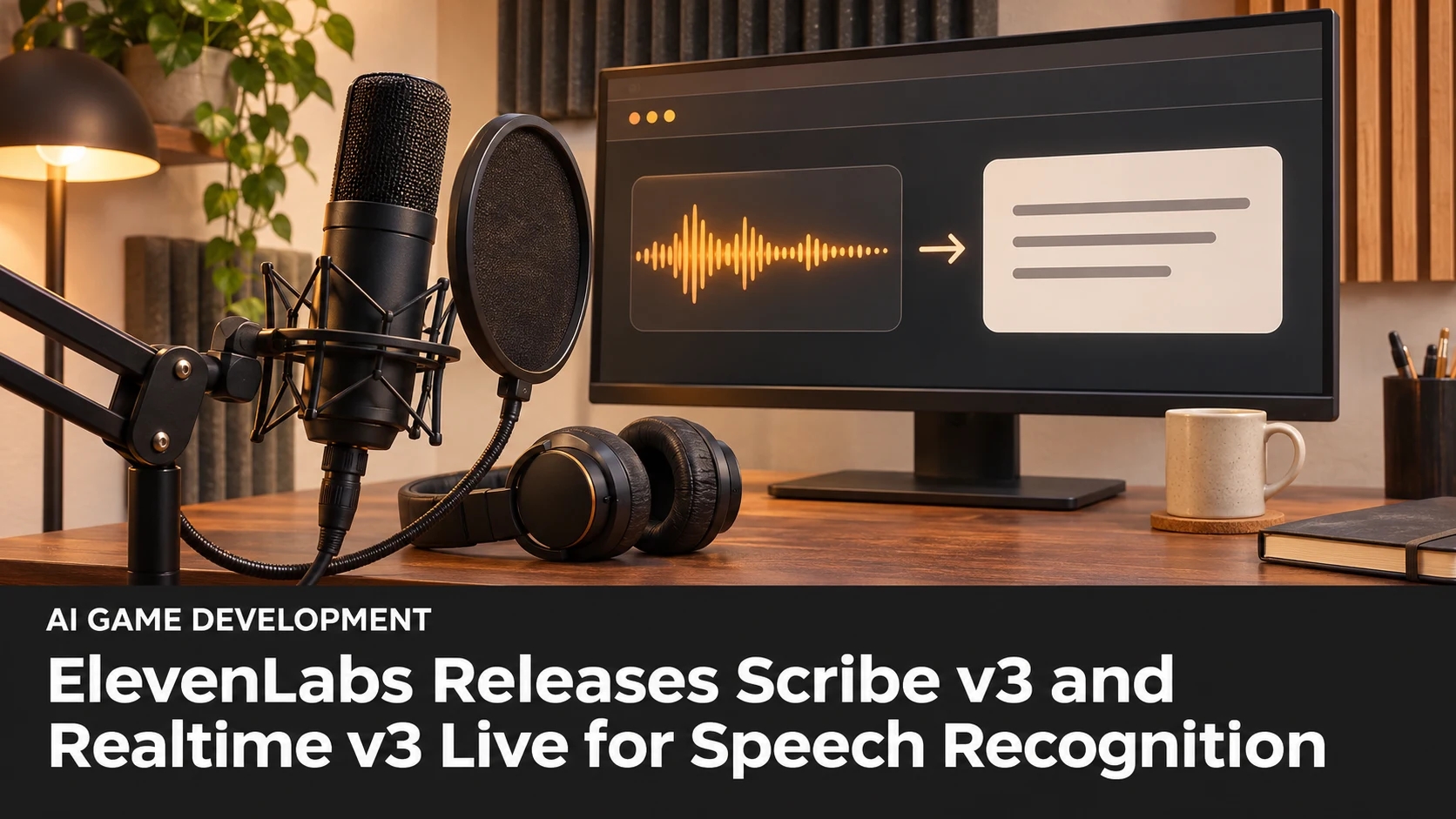
ElevenLabs announced Scribe v3 and Scribe v3 Live on November 10, expanding its speech-to-text offerings for recorded and streaming audio. The two releases address different jobs. Scribe v3 processes recordings, while the Live variant is designed to handle speech as it arrives. Both are now offered through the ElevenAPI, and ElevenLabs says its live model is available through ElevenAgents.
The company reports improvements in word recognition, speaker identification and conversational turn detection. Its own evaluation states that Scribe v3 reduced word errors by 27 percent compared with Scribe v2 across a 102-language test, while the realtime model reduced semantic word errors by 43 percent against its predecessor. These are vendor-run measurements, using defined benchmarks and datasets. They are not independent proof of comparable gains in a noisy game session or on every microphone.
Scribe v3 Live also introduces diarization, the process of identifying which participant is speaking, and uses conversational context to help decide when a person has finished a turn. In interactive software, misjudging the end of a sentence can make a voice interface feel unresponsive or interrupt players in mid-command. The company also describes multilingual handling and terminology features, which may help applications containing unusual proper names or specialized vocabulary.
Game-development use cases are possible but require additional systems. A voice-controlled debugging console could transcribe instructions for an editor tool. An experimental NPC interface could pass recognized player speech to a dialogue or rules engine, then generate a response through a separate text-to-speech system. The speech-recognition model does not, by itself, invent believable NPC behavior, manage game state or produce all the sounds a character needs.
For a useful benchmark, developers could record short gameplay commands with background music, overlapping players, different accents and artificial pauses. Compare transcripts and end-of-turn detection against a manually checked reference. If a live NPC workflow is the goal, also measure total time from speaking to game response, because speech recognition is only one stage of that path.
The important change is broader availability of new transcription models and an updated realtime option. Teams should check API pricing, data handling and measured latency against their deployment needs rather than treating published accuracy figures as universal results for games.
Rate this story
What did you think of this article?
Log in to rate this story, comment and like replies.
Log inNo comments yet. Be the first to share your thoughts.
More stories
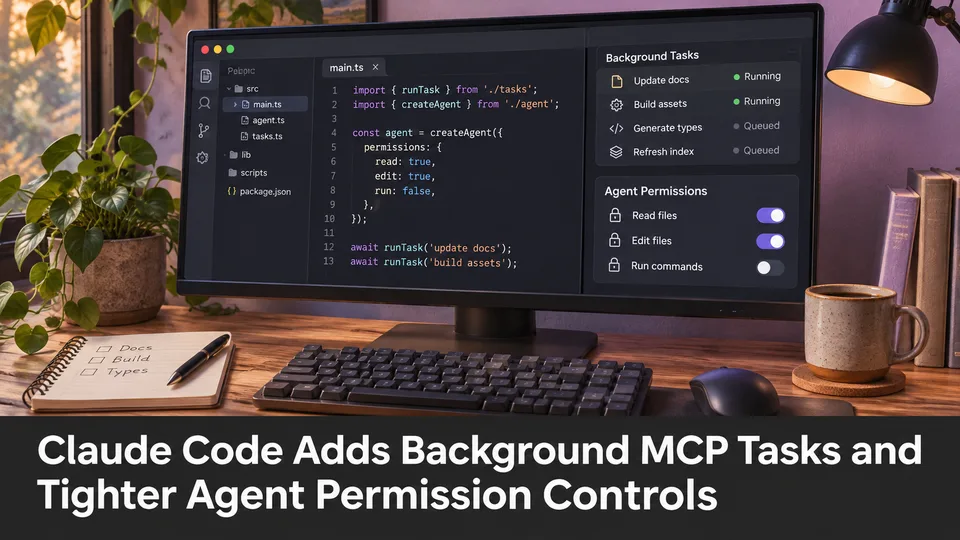
Claude Code Adds Background MCP Tasks and Tighter Agent Permission Controls
Anthropic’s Claude Code 2.1.319 introduced asynchronous MCP tasks and new permission controls. These features may help game developers manage long-running Unreal or Unity tool operations without blocking every agent step.
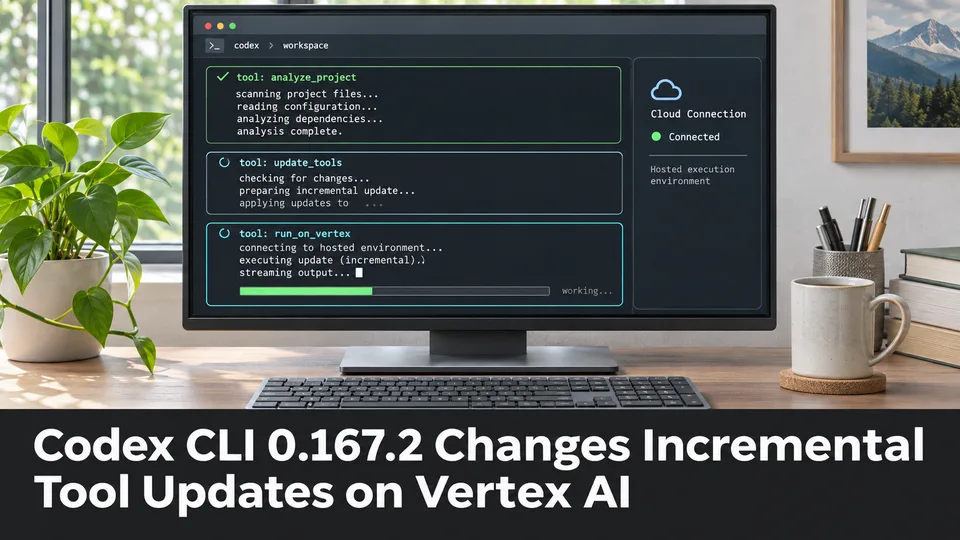
Codex CLI 0.167.2 Changes Incremental Tool Updates on Vertex AI
OpenAI released Codex CLI 0.167.2 with incremental tool updates enabled by default for Google Cloud Vertex AI. The change is relevant to teams using that backend, but it is not a general Unreal or Unity agent feature.
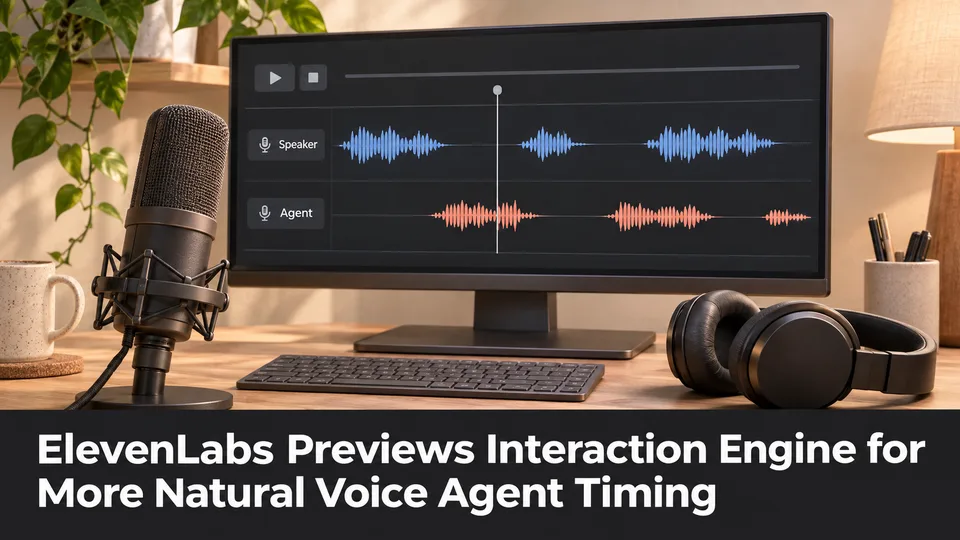
ElevenLabs Previews Interaction Engine for More Natural Voice Agent Timing
At its New York summit, ElevenLabs previewed an Interaction Engine that manages turn-taking, interruptions and model selection in conversations. Real-time game NPC use remains a proposed application, not a shipped game integration.
Comments