
Cursor Adds Live Voice Conversations With Coding Agents
Cursor has introduced two-way voice chat with coding agents in its editor and companion surfaces. Game developers can discuss a code change while an agent works, but it does not add game-runtime voice NPCs.
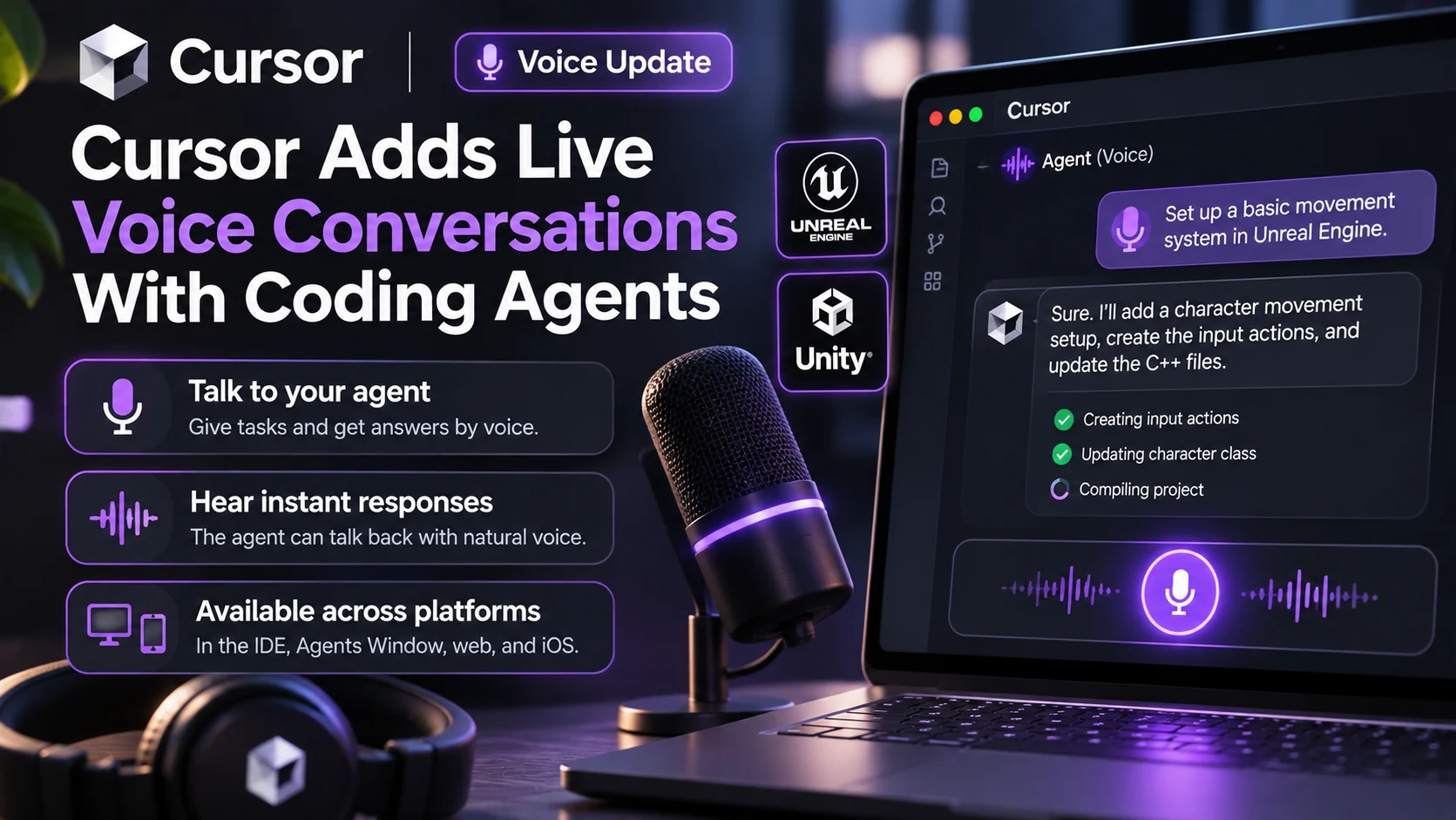
Cursor announced Voice Chat with Agents on November 6, adding a real-time spoken conversation mode to its AI development workflow. Unlike conventional dictation, which turns speech into text for later submission, the new feature allows a developer to speak with an agent and hear spoken responses while the coding agent continues work. Cursor lists support in its IDE, Agents Window, web interface and iOS app.
The update could change the rhythm of programming work for teams that already use AI agents. A developer inspecting Unreal C++ or Unity C# code can describe a change aloud, ask which files were modified and receive a concise progress explanation without continuously switching back to a chat panel. Cursor says the voice interaction can continue as the coding task runs, and the agent can summarize the completed work when finished.
The company identifies Grok Voice as the underlying speech component. It also states that Privacy Mode provides zero data retention for voice chat. Studios handling proprietary source code or private design documents should still examine the applicable terms, settings and organizational policies before using cloud-connected assistants. A vendor's privacy claim should be recorded as such rather than treated as a substitute for the studio's own security review.
For game development, the strongest use case is not asking the tool to improvise a complete game. A controlled task is more informative: instruct an agent to add a C++ interaction interface or adjust a Unity character controller, then ask it to explain the affected files and tests. Developers should review diffs, compile the project, run representative scenes and verify that spoken summaries match the actual modifications. Voice makes interaction more natural; it does not guarantee code correctness.
Importantly, this is a development assistant feature. It does not provide an Unreal or Unity runtime voice service for NPCs, nor does it make a released game capable of listening to players. Studios pursuing conversational game characters would need separate runtime systems for audio capture, speech recognition, dialogue reasoning and speech generation. The immediate product update is a more conversational way to direct coding work and monitor agents. Its value will depend on whether the new interface saves meaningful time without making errors harder to spot.
Rate this story
What did you think of this article?
Log in to rate this story, comment and like replies.
Log inNo comments yet. Be the first to share your thoughts.
More stories
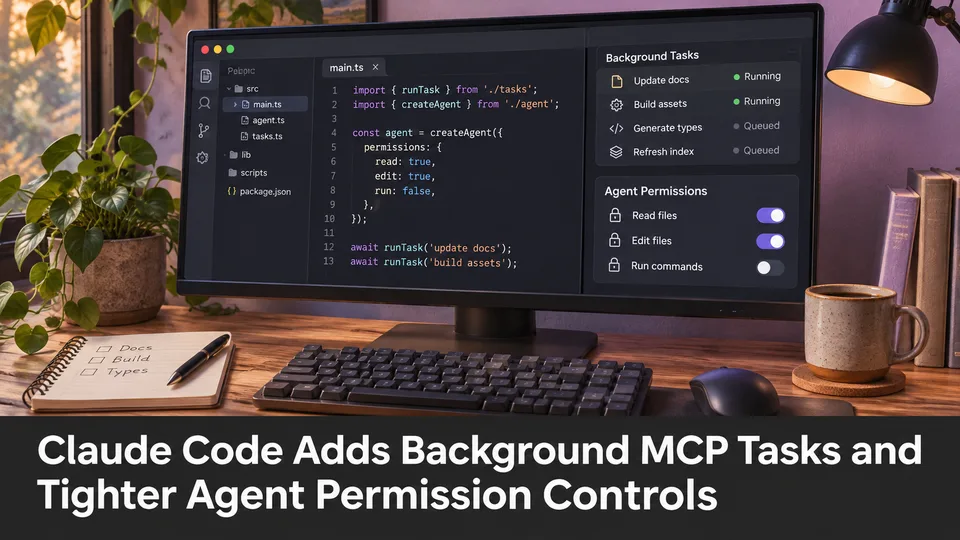
Claude Code Adds Background MCP Tasks and Tighter Agent Permission Controls
Anthropic’s Claude Code 2.1.319 introduced asynchronous MCP tasks and new permission controls. These features may help game developers manage long-running Unreal or Unity tool operations without blocking every agent step.
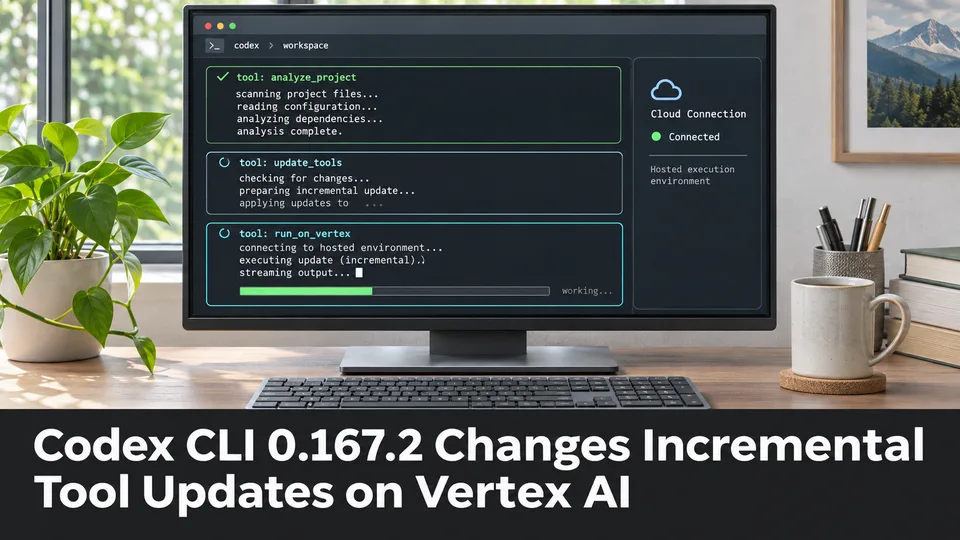
Codex CLI 0.167.2 Changes Incremental Tool Updates on Vertex AI
OpenAI released Codex CLI 0.167.2 with incremental tool updates enabled by default for Google Cloud Vertex AI. The change is relevant to teams using that backend, but it is not a general Unreal or Unity agent feature.
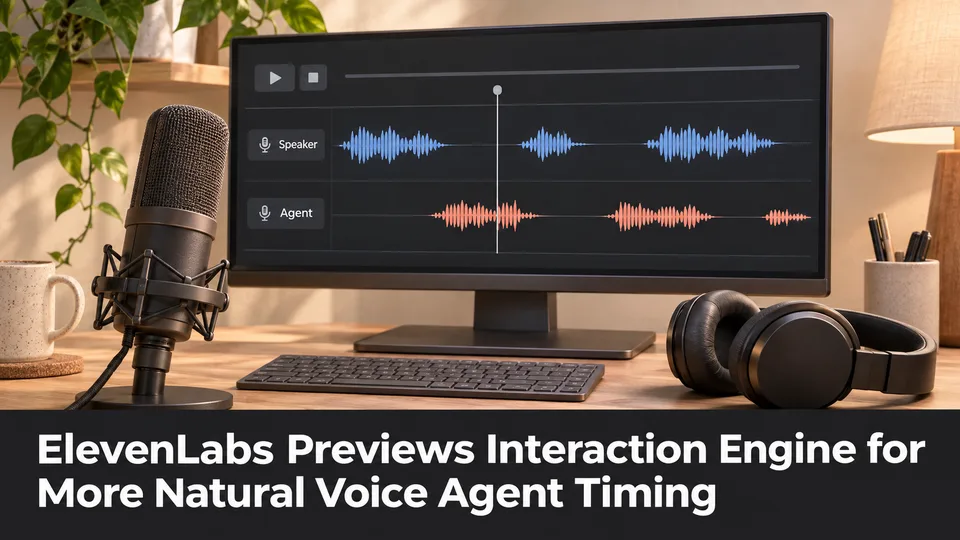
ElevenLabs Previews Interaction Engine for More Natural Voice Agent Timing
At its New York summit, ElevenLabs previewed an Interaction Engine that manages turn-taking, interruptions and model selection in conversations. Real-time game NPC use remains a proposed application, not a shipped game integration.
Comments