
CueKit 2.2.0 Arrives as a Unity Audio Cue and Editing Package
Unity Asset Store now lists CueKit 2.2.0, an audio cue management and editor toolkit from SomnolentTeam. The package is a third-party option for organizing game audio rather than a built-in Unity audio update.
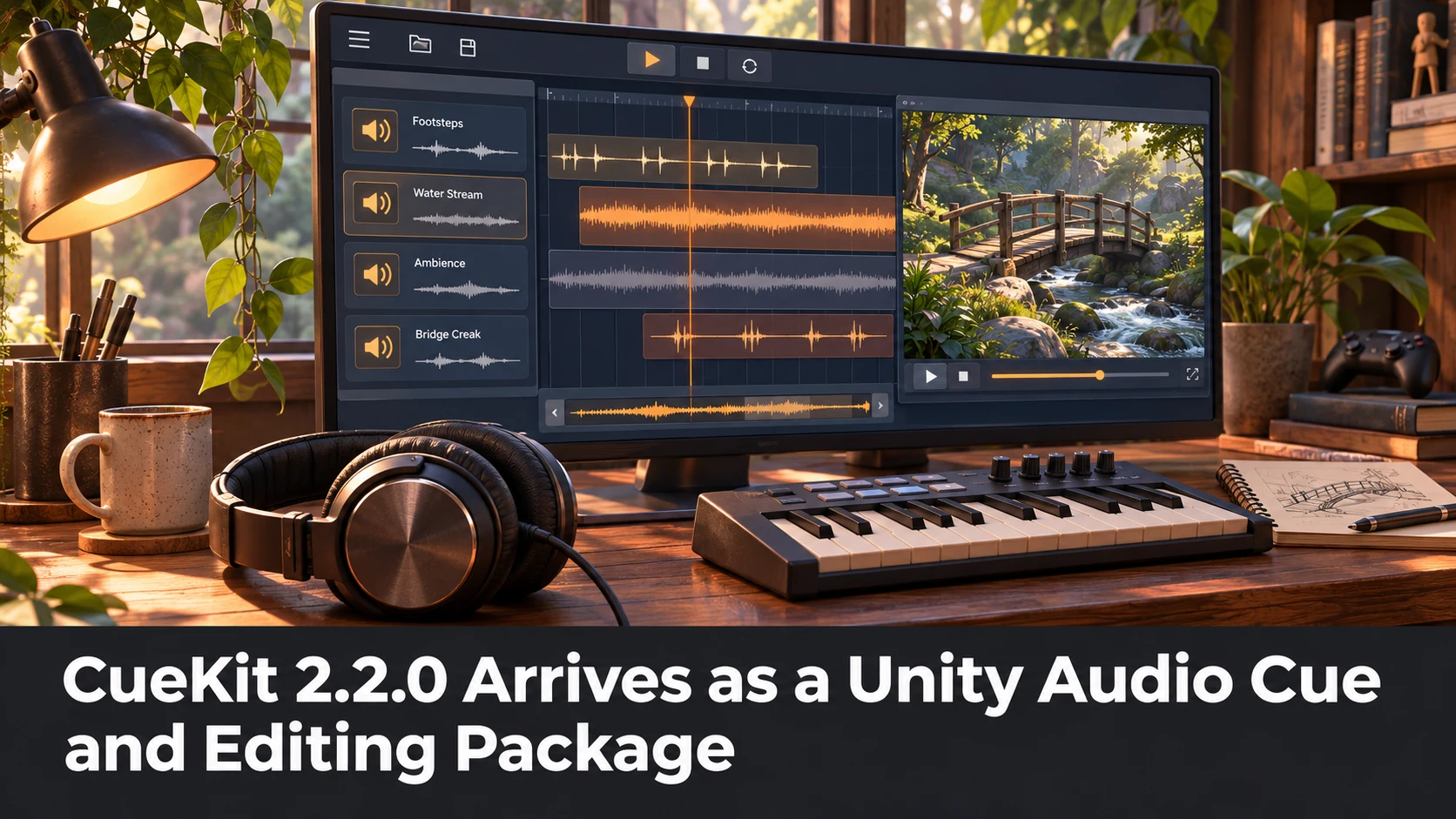
SomnolentTeam's CueKit package received a Unity Asset Store release listing dated November 11, 2026, showing version 2.2.0. It is marketed as an audio cue manager and set of editor tools for Unity development. The listing's related terms include audio routing concepts, dynamic music, sound effects, footsteps and ambience, but those keywords should not be mistaken for independently verified capabilities of every configuration.
Audio production in games can become difficult to maintain when sound references are scattered across many scripts and prefabs. A cue-based workflow can potentially provide a more organized place for designers and programmers to define which sound should respond to which event. That is why this class of plugin is relevant even if it does not add a new synthesizer, audio codec or runtime engine feature.
The Asset Store identifies an original Unity version in the Unity 6.3 family and reports compatibility across Built-in, URP and HDRP in its displayed pipeline table. Rendering-pipeline compatibility is not a guarantee of flawless audio performance on every target platform, however. Projects using console-specific audio middleware, spatial audio or complex mixers still need platform-level checks.
A proposed test would begin in a small scene with footsteps, an interaction sound, a looping ambience and a music track. Compare how those assets are configured using standard Unity AudioSource and AudioMixer components versus the package's published editor workflow. The review should measure setup steps, how easy it is to replace sound assets, and whether designers can safely adjust volumes and transitions without editing unrelated C# scripts.
Teams should also check runtime allocation, memory and voice-count behaviour under load rather than judge a tool solely by its inspector screenshots. An environment with many simultaneous SFX sources can expose performance and mixing issues not visible in a quiet demo scene.
As with any third-party Asset Store release, the store page records publisher claims and compatibility declarations; it does not itself provide independent benchmarks. The package's current price, discounts and supported platforms can change, so buyers should check the live listing and documentation before committing a production project.
For small studios, the broader story is that audio tooling remains an active area of the Unity extension ecosystem. CueKit is an option worth evaluating, not a mandatory upgrade for existing projects.
Rate this story
What did you think of this article?
Log in to rate this story, comment and like replies.
Log inNo comments yet. Be the first to share your thoughts.
More stories
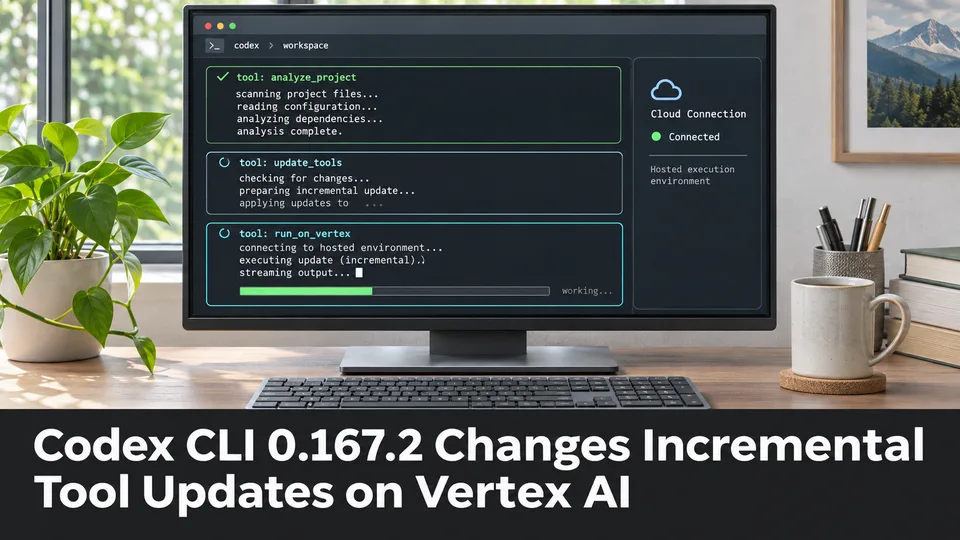
Codex CLI 0.167.2 Changes Incremental Tool Updates on Vertex AI
OpenAI released Codex CLI 0.167.2 with incremental tool updates enabled by default for Google Cloud Vertex AI. The change is relevant to teams using that backend, but it is not a general Unreal or Unity agent feature.
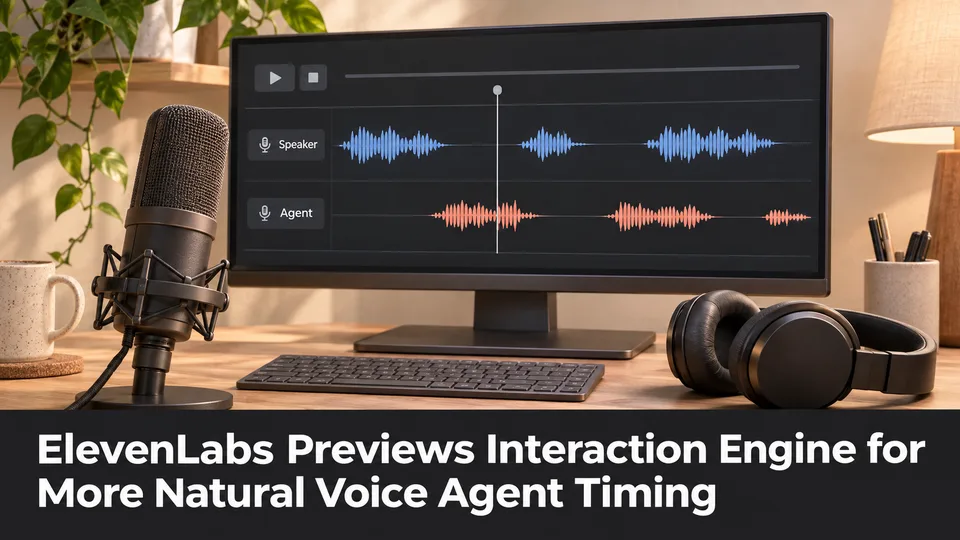
ElevenLabs Previews Interaction Engine for More Natural Voice Agent Timing
At its New York summit, ElevenLabs previewed an Interaction Engine that manages turn-taking, interruptions and model selection in conversations. Real-time game NPC use remains a proposed application, not a shipped game integration.
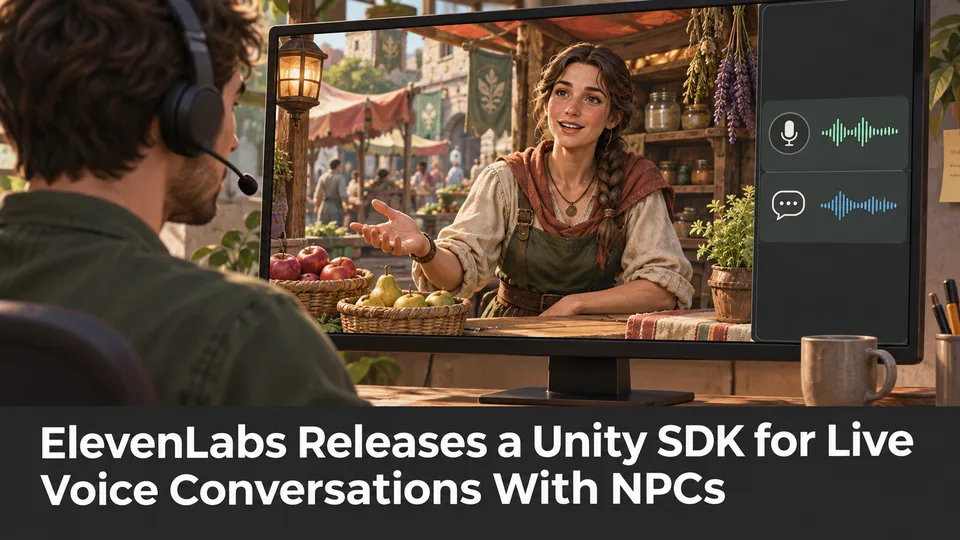
ElevenLabs Releases a Unity SDK for Live Voice Conversations With NPCs
ElevenLabs has published a Unity SDK connecting scene characters to conversational voice agents. The developer documentation distinguishes supported desktop and WebGL targets from beta mobile and XR integration.
Comments