
ComfyUI Adds Source Support for WeVisOne-VL Detection and Segmentation
A November 9 ComfyUI merge adds WeVisOne-VL 2B and 4B support for image detection, masks and spatial grounding. The new node may assist asset preparation but is not a game-runtime computer-vision system.
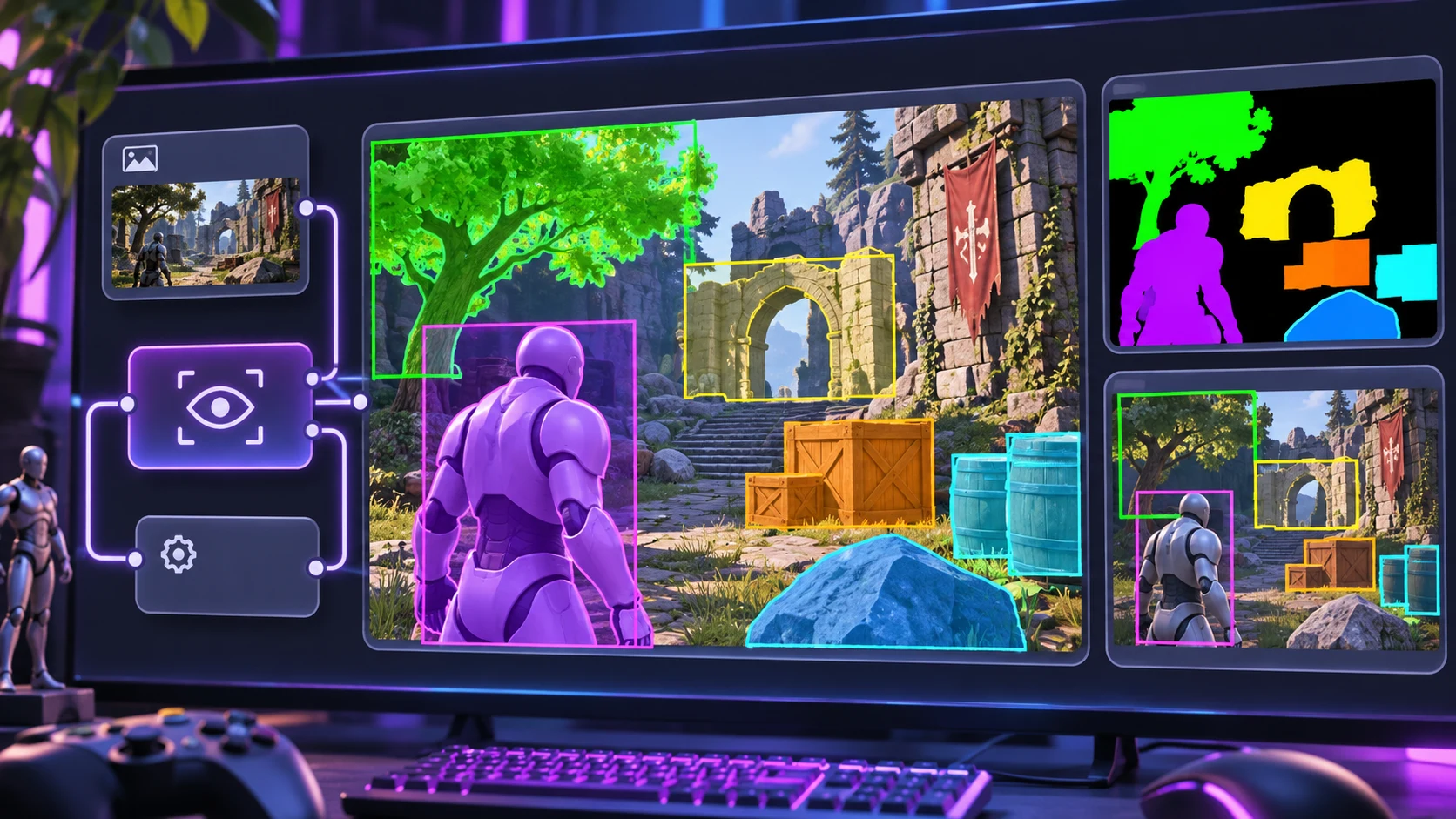
Image-generation pipelines often need a way to identify precisely which part of an image should be changed. A creator may want to isolate a prop, detect a character silhouette or find where an object appears in a concept scene. On November 9, ComfyUI merged support for WeVisOne-VL, a visual-language model family intended for detection and related image-understanding tasks.
The merged contribution identifies Tencent's 2B and 4B WeVisOne-VL models as Qwen3-VL-based variants, with support for bounding boxes, segmentation, alpha mattes, points, counting and optical character recognition grounding. It adds a WeVisOne-VL Detect node that accepts image and task inputs and returns outputs including masks, bounding-box coordinates, points and text.
This is useful information for creators because it connects visual analysis with editable assets. If an image-generation workflow needs to process only the weapon held by a character, for example, a detected region or mask can help define what part of the image should be used in a subsequent editing stage. That is a proposed application, not a quality result validated by Kynris or this report.
The GitHub pull request was merged into ComfyUI's main branch on November 9. The integration also adjusts supporting Qwen-VL handling, but a merge into main is not the same as a tagged user release. Model weights, memory capacity and dependencies must be considered separately. The source describes image-understanding outputs; it does not claim the node can automatically make a production-ready rigged model or run as an Unreal Engine or Unity NPC perception component.
A practical evaluation would collect ten concept images containing known objects at different sizes and levels of occlusion. Run a detection or segmentation task, inspect whether masks fit the subject and compare the result with a manually prepared reference. Record mistakes as well as successful examples, especially on small objects and objects that overlap.
For game studios, the potential benefit is improved preparation of artwork that feeds other tools: masking, cutouts, composition checking and selectively editing images. The November 9 event is a confirmed integration of source support, while its real-world reliability and workflow compatibility still need testing.
Rate this story
What did you think of this article?
Log in to rate this story, comment and like replies.
Log inNo comments yet. Be the first to share your thoughts.
More stories
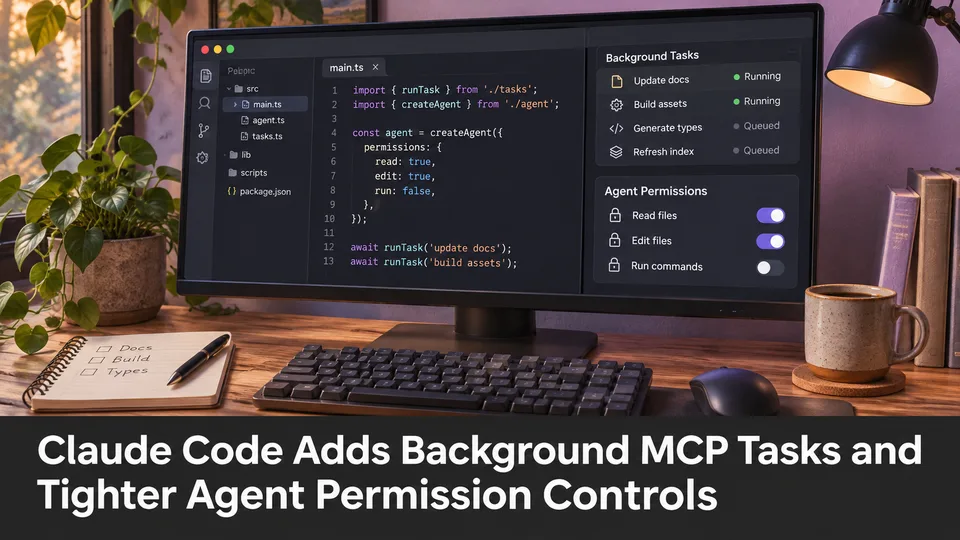
Claude Code Adds Background MCP Tasks and Tighter Agent Permission Controls
Anthropic’s Claude Code 2.1.319 introduced asynchronous MCP tasks and new permission controls. These features may help game developers manage long-running Unreal or Unity tool operations without blocking every agent step.
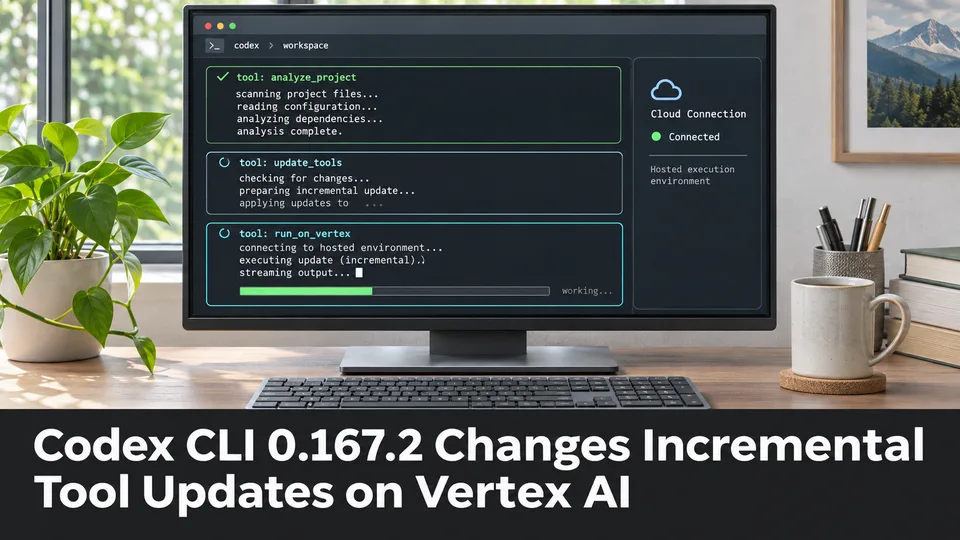
Codex CLI 0.167.2 Changes Incremental Tool Updates on Vertex AI
OpenAI released Codex CLI 0.167.2 with incremental tool updates enabled by default for Google Cloud Vertex AI. The change is relevant to teams using that backend, but it is not a general Unreal or Unity agent feature.
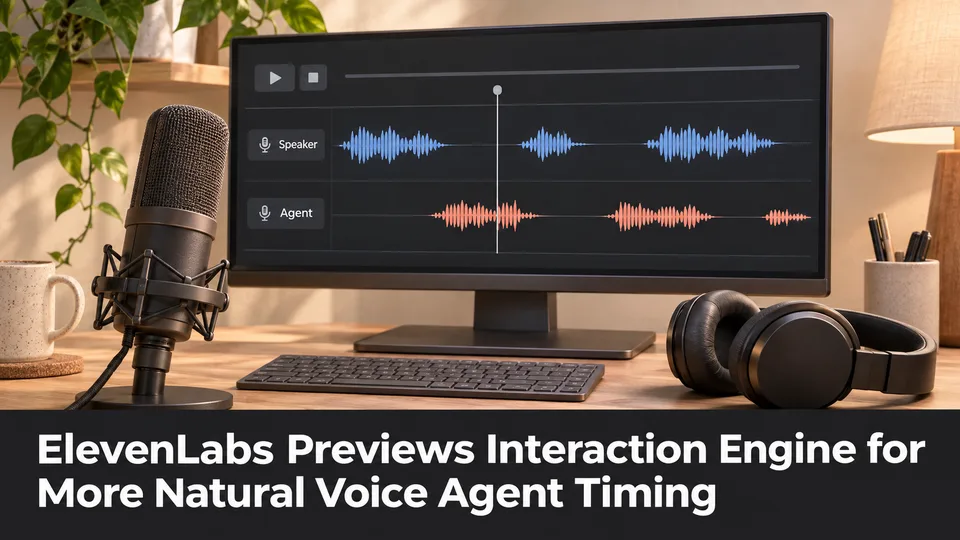
ElevenLabs Previews Interaction Engine for More Natural Voice Agent Timing
At its New York summit, ElevenLabs previewed an Interaction Engine that manages turn-taking, interruptions and model selection in conversations. Real-time game NPC use remains a proposed application, not a shipped game integration.
Comments