
Codex Improves How Delegated Agent Messages Appear in Its Terminal UI
An OpenAI Codex repository change merged on November 6 makes delegated thread messages render as Markdown in the terminal interface, improving readability when reviewing multi-agent coding work.
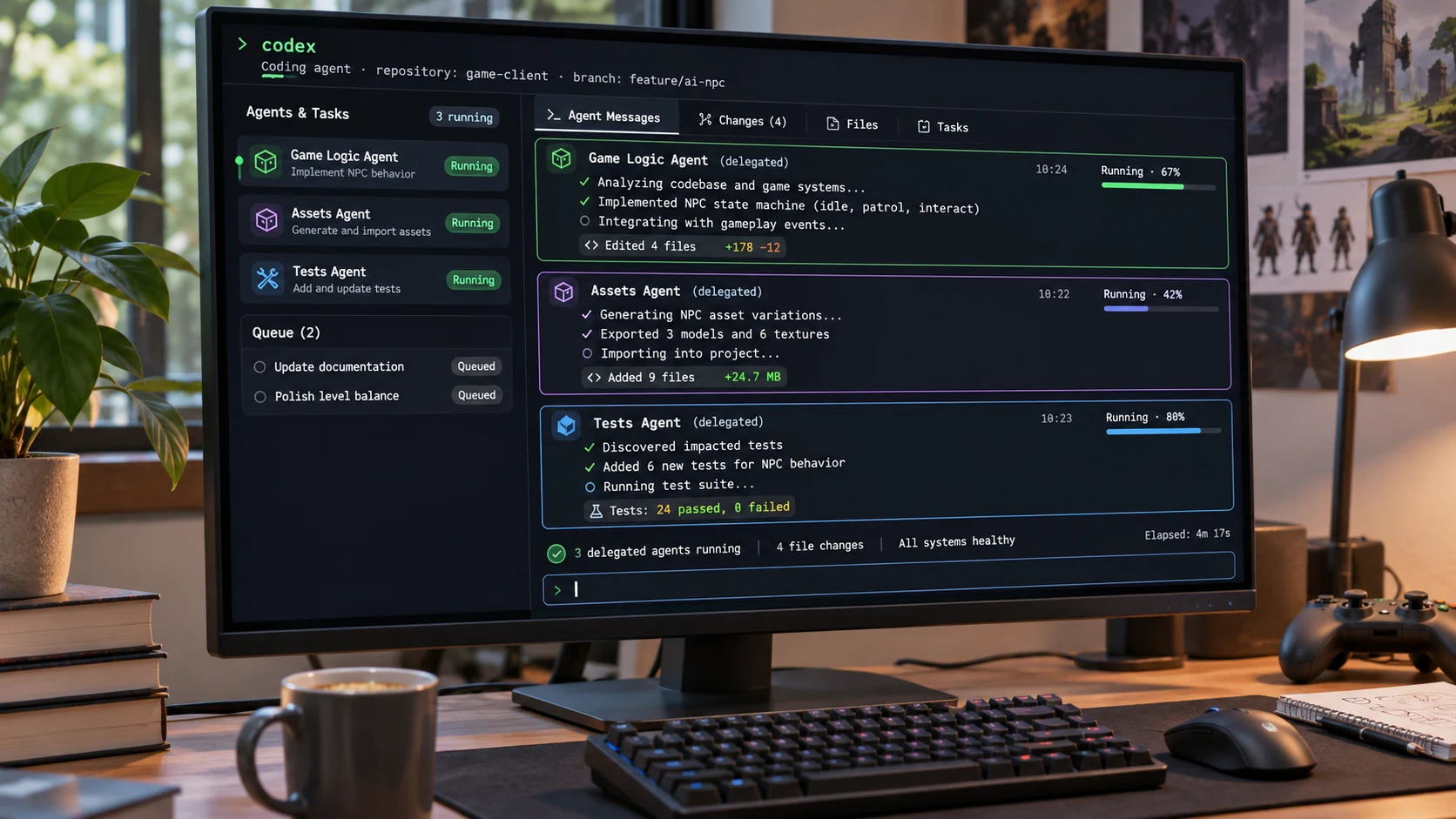
A change merged into OpenAI's official Codex repository on November 6 improves the presentation of delegated agent messages in the command-line terminal interface. The pull request, titled Render delegated thread messages as Markdown in the TUI, addresses a small but practical issue in workflows that involve multiple agent threads.
Previously, incoming messages from delegated threads could appear as plain text. Markdown syntax remained visible instead of being formatted, and links did not carry the expected hyperlink information. The change introduces a dedicated history cell for rendering those messages as Markdown, while preserving the attribution that identifies their source. The implementation also targets line wrapping and consistent list spacing.
The pull request describes coverage for several places where developers encounter messages: live conversation output, resumed history and transcript projection. Its tests cover consistency between current and replayed output, the destinations of hyperlinks and presentation across wrapped rows. For someone reviewing a long-running coding session, these details matter. A structured report that is easy to scan reduces the chance of overlooking a warning, file path or next action.
The relevance to game development is indirect but real. A programmer might delegate one task to inspect Unreal Engine C++ code, another to review a Unity C# implementation and a third to summarize test failures. Clearer messages can make reviewing parallel work more manageable, especially when the tool returns lists of affected files or references to documentation.
This is a source-code change merged into the Codex main branch, not proof that every installed CLI or desktop build already contains it. Developers should check their own installed version and published release notes before expecting the behavior. It also does not mean that a delegated agent has gained new Unreal or Unity editing permissions; rendering and actual tool capabilities are separate issues.
A useful evaluation, once the feature reaches the chosen build, would be to delegate two limited repository-reading tasks and compare live replies with the transcript after reopening the session. Check that headings, bullet structures and file links remain understandable and that messages clearly identify which agent produced them. The visible change is modest, but it supports the larger goal of supervising multiple coding agents without losing context.
Rate this story
What did you think of this article?
Log in to rate this story, comment and like replies.
Log inNo comments yet. Be the first to share your thoughts.
More stories
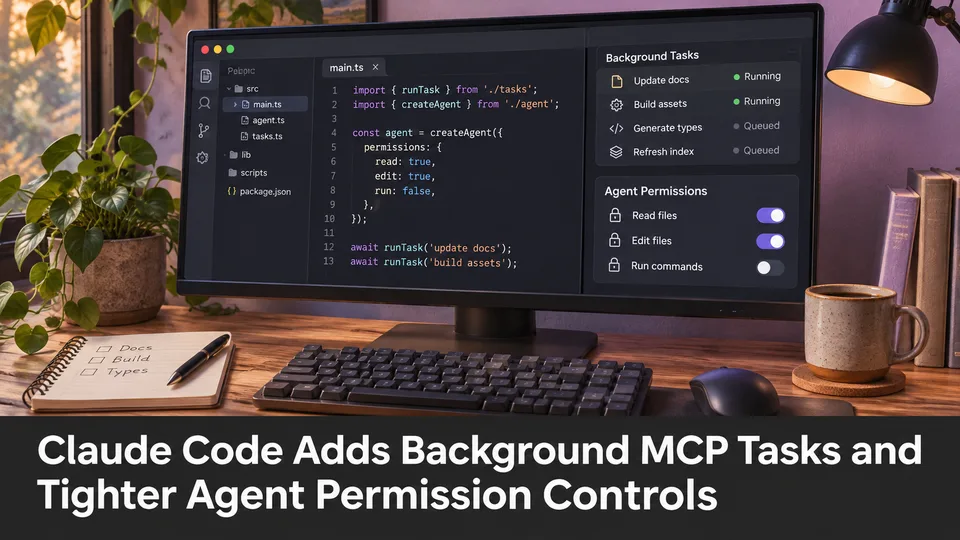
Claude Code Adds Background MCP Tasks and Tighter Agent Permission Controls
Anthropic’s Claude Code 2.1.319 introduced asynchronous MCP tasks and new permission controls. These features may help game developers manage long-running Unreal or Unity tool operations without blocking every agent step.
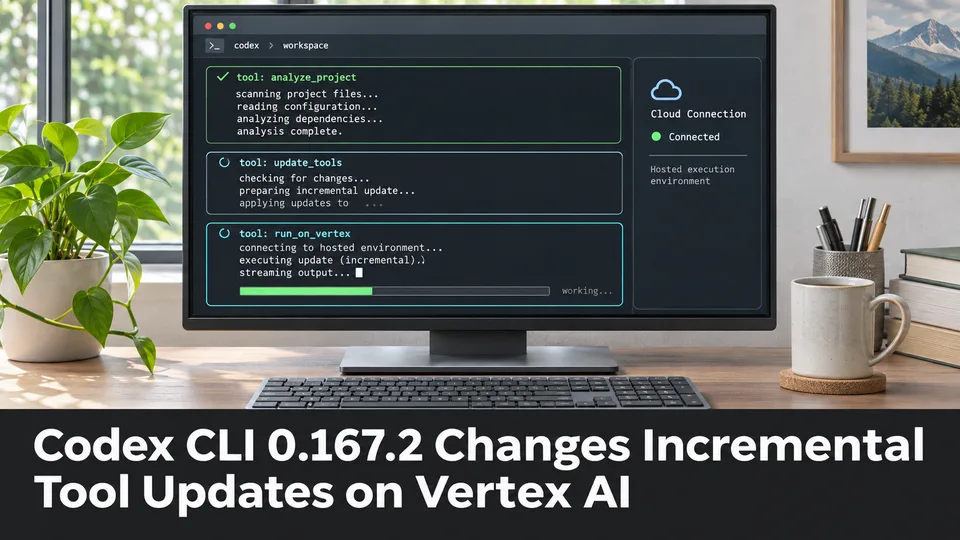
Codex CLI 0.167.2 Changes Incremental Tool Updates on Vertex AI
OpenAI released Codex CLI 0.167.2 with incremental tool updates enabled by default for Google Cloud Vertex AI. The change is relevant to teams using that backend, but it is not a general Unreal or Unity agent feature.
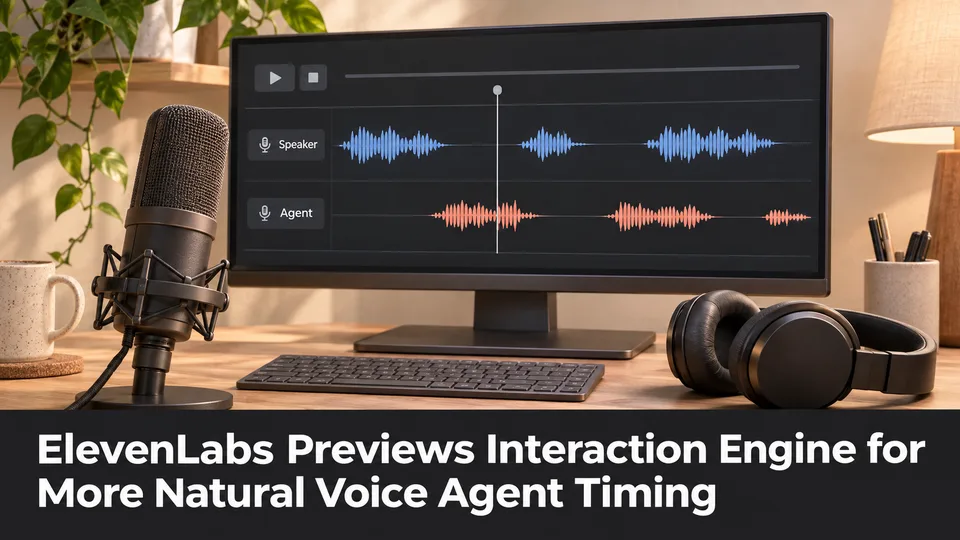
ElevenLabs Previews Interaction Engine for More Natural Voice Agent Timing
At its New York summit, ElevenLabs previewed an Interaction Engine that manages turn-taking, interruptions and model selection in conversations. Real-time game NPC use remains a proposed application, not a shipped game integration.
Comments